If your child is starting swimming lessons in Singapore, chances are you have come across the name SwimSafer 2.0. It is the national swimming and water safety programme that underpins structured aquatic education across the country. But many parents are still asking the same question: how is it different from the original SwimSafer, and does the update actually matter?
The short answer is yes — it matters quite a bit. The 2016–2017 review that produced SwimSafer 2.0 was not a cosmetic refresh. It introduced meaningful changes to stage structure, water safety content, survival skill requirements, and assessment standards. Understanding these changes helps you make better decisions when enrolling your child in a learn-to-swim programme, and it ensures you know exactly what to expect at each milestone.
This article breaks down what changed between the original SwimSafer programme and SwimSafer 2.0, why those changes were made, and what they mean for learners of all ages in Singapore today.
SwimSafer was launched in 2010 as a national initiative by the National Water Safety Council, developed in collaboration with SportsSG (formerly the Singapore Sports Council). Its purpose was to create a unified, structured framework for teaching swimming as both a life skill and a water safety tool. Before SwimSafer, swimming instruction in Singapore was fragmented, with different providers using different grading systems and curricula. SwimSafer brought consistency, credibility, and a nationally recognised certification to aquatic education.
The original programme covered foundational swimming skills across a series of progressive stages, with assessments conducted by accredited centres. It was a significant step forward for aquatic safety in Singapore. However, after several years of implementation, educators and water safety advocates recognised that the programme could go further — particularly in equipping children with the kind of real-world survival knowledge that could save a life in an unexpected situation.
The review that led to SwimSafer 2.0 began in 2016 and was completed in 2017. It was driven by a desire to do more than teach children how to swim in a controlled pool environment. Drowning remains one of the leading causes of unintentional injury death among children in Singapore and across the region, and research in water safety education had advanced significantly since 2010. The updated programme needed to reflect contemporary best practices, address gaps in survival skill education, and serve a wider range of learners — including those with varying physical abilities.
The refresh was not about discarding what worked. Rather, it was about building on the original foundation with greater depth, stronger safety integration, and more clearly defined outcomes at every stage. The result is a programme that teaches people of all ages to swim and to be genuinely safe in, on, and around water — a subtle but important distinction.
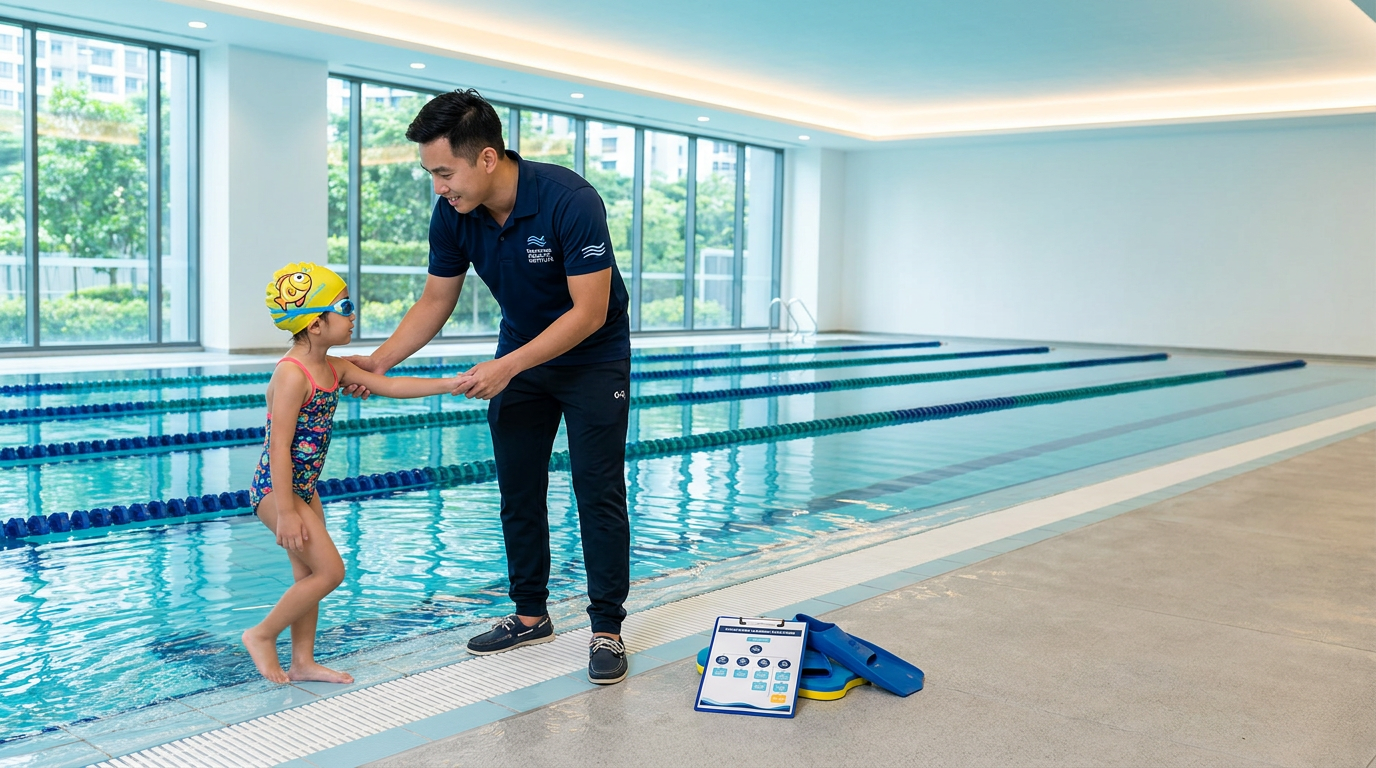
One of the most visible changes in SwimSafer 2.0 is the restructuring of its stages. The updated framework maintains a progressive, stage-based approach but refines the skill benchmarks at each level to ensure more consistent outcomes across different schools and centres. Each stage now has clearer, more specific competency requirements, making it easier for coaches to assess readiness and for parents to understand what their child has genuinely mastered. This clarity also helps bridge learning gaps that could arise when a child moves between different swim schools or providers.
SwimSafer 2.0 places a far greater emphasis on water safety knowledge as a standalone educational component — not merely as a backdrop to swimming technique. Learners are taught to understand risk environments, recognise hazardous water conditions, and respond appropriately to emergencies involving themselves or others. This shift reflects the understanding that a child who can swim competently but lacks awareness of open water dangers, rip currents, or pool hazards is still vulnerable. Water safety education in SwimSafer 2.0 is woven into every stage rather than being an add-on at advanced levels.
Perhaps the most significant enhancement in SwimSafer 2.0 is its explicit focus on personal water survival skills. The programme now includes structured training in survival floating, treading water for extended periods, swimming in clothing, and self-rescue techniques. These are skills that could mean the difference between life and death in an accidental fall into water — whether at a reservoir, a marina, or even a backyard pool. The original SwimSafer programme taught swimming strokes and basic water safety, but SwimSafer 2.0 goes further by ensuring that learners can apply those skills under stress and in less predictable conditions.
This survival-first approach mirrors global advances in drowning prevention education, where research consistently shows that technical stroke proficiency alone is insufficient without practical survival application. At SPEEDISWIM, coaches are trained to deliver these survival components with the same rigour applied to competitive stroke development — because every child deserves both.
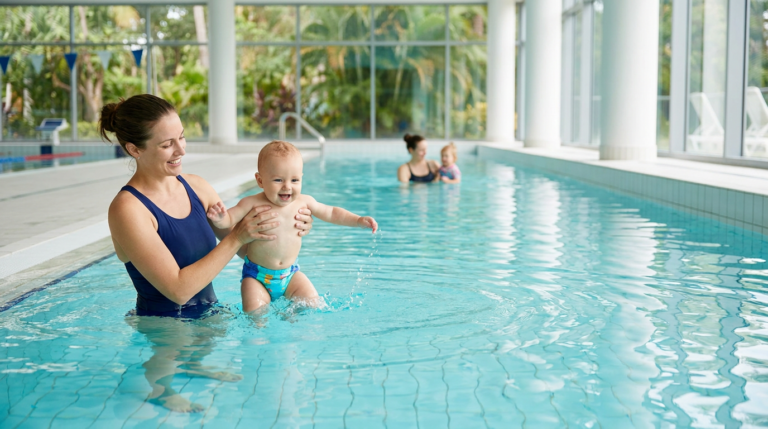
The original SwimSafer programme was designed primarily with school-age children in mind. SwimSafer 2.0 broadens its scope considerably by explicitly catering to people of all ages and varying abilities. This includes young children in early aquatic programmes, teenagers who may be starting later, adults who never learned to swim, and individuals who require adapted instruction. The framework acknowledges that water safety is a lifelong priority and that learn-to-swim pathways should not have artificial age ceilings or exclude those who learn differently.
This inclusive design is particularly relevant for families looking to enrol multiple children of different ages, or for adults who feel it is "too late" to learn. It is never too late — and SwimSafer 2.0 is built to reflect that reality.
SwimSafer 2.0 introduced updated assessment standards and a more robust certification process. Assessments are now conducted through a centralised system designed to ensure fairness and consistency regardless of which accredited centre a learner attends. SPEEDISWIM at Orchid Country Club (OCC) is one of the official Non-ActiveSG Pool CAMS (Centralised Assessment Management System) Centres in Singapore, which means assessments conducted there meet the national standard and certificates issued carry the full weight of SportsSG recognition. This is an important consideration when choosing where to complete your child's SwimSafer 2.0 certification, as not every swim school operates as an official assessment centre.
It is worth noting that SwimSafer 2.0 preserves the core DNA of the original programme. It remains a progressive, stage-based framework that takes learners from first water exposure through to competent, confident swimming across multiple strokes. The national certification remains recognised by SportsSG and is widely used by primary schools across Singapore as a benchmark for water competency. The collaborative spirit between the National Water Safety Council and Sport Singapore also continues, ensuring that the programme evolves alongside national safety priorities.
The foundational stages — which cover water familiarisation, basic movement, breath control, and introductory strokes — remain the bedrock of the curriculum. What SwimSafer 2.0 adds is depth, intentionality, and a stronger commitment to real-world safety outcomes at every one of those stages.
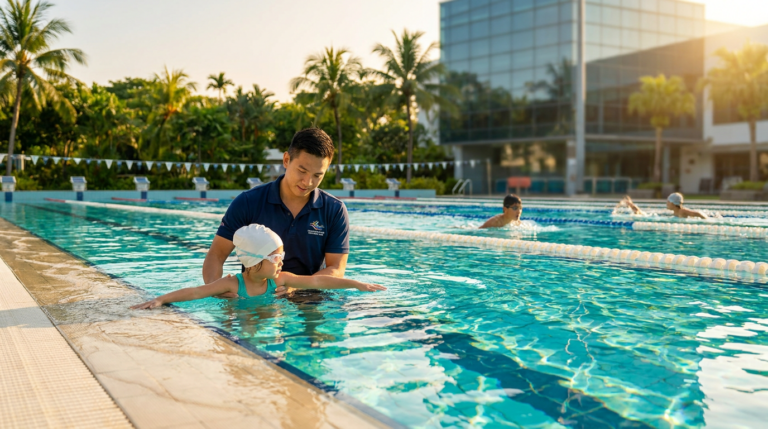
SwimSafer 2.0 is integrated into Singapore's primary school curriculum through the School SwimSafer Programme, which brings structured aquatic education into Physical Education (PE) for students from Primary 1 to Primary 6. Many schools partner with accredited swim centres to deliver this programme, which means the quality of instruction can vary depending on the provider. Parents who want their children to progress through the stages more quickly, or to supplement school-based instruction, often enrol in additional lessons with an established swim school.
Group swimming lessons in Singapore typically cost between $35 and $55 per session, while private or semi-private instruction ranges from $60 to $120 per session depending on the provider and class size. For families investing in both school-based and private instruction, choosing an accredited SwimSafer 2.0 provider ensures that progress is tracked against the same national standard and that certifications are valid and transferable.
If you are interested in how SPEEDISWIM structures its SwimSafer 2.0 delivery, explore our SwimSafer Programme page for a full breakdown of stages, scheduling, and what to expect at each level.
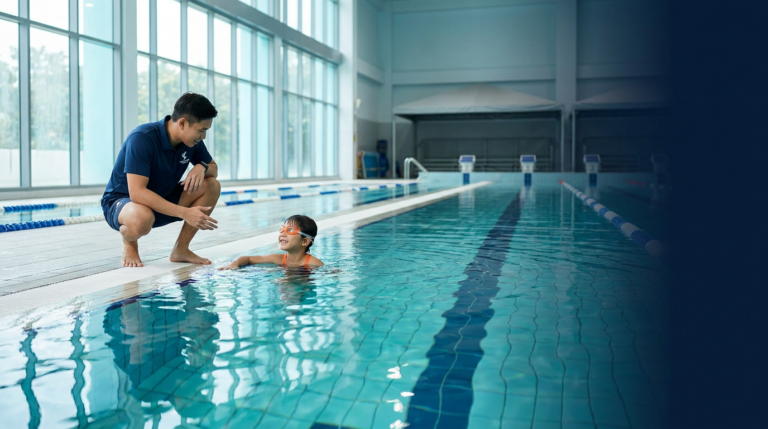
Not all SwimSafer 2.0 providers are created equal. The curriculum may be standardised, but the quality of coaching, the ratio of students to instructors, the facilities, and the experience of the organisation behind the programme all vary significantly. When evaluating swim schools, look for providers with a strong track record, professionally qualified coaches who are certified to deliver SwimSafer 2.0, and official CAMS accreditation for assessments.
Beyond the SwimSafer pathway, families whose children show a natural affinity for the water may also want to explore what comes next. SPEEDISWIM offers a full suite of aquatic programmes beyond the learn-to-swim framework, including Competitive Swimming, Artistic Swimming, and Water Polo. For those curious about more niche aquatic sports, there is also an Underwater Hockey Programme that introduces learners to one of the most unique team sports in the water. A comprehensive aquatic education does not end at Stage 6 of SwimSafer 2.0 — it can be the beginning of a lifelong journey in the sport.
SwimSafer 2.0 represents a meaningful evolution from the original programme — not a simple rebranding. The changes to stage structure, water safety integration, personal survival skills, inclusive design, and assessment standards all reflect a more mature, evidence-based approach to aquatic education. For parents in Singapore choosing a learn-to-swim pathway, understanding these differences helps you ask better questions and make more informed decisions about where and how your child learns.
Whether your child is taking their first steps into the water or working toward advanced certification, finding the right programme and the right coaching team makes all the difference. SPEEDISWIM has been delivering structured aquatic education since 1998, with more than 25,000 students trained and a proven pathway from beginner to national athlete. SwimSafer 2.0 is not just a curriculum — it is a foundation for a lifetime of water confidence, and it deserves to be delivered by people who take that responsibility seriously.
SPEEDISWIM has been Singapore's trusted aquatic education partner since 1998. Our professionally qualified coaches deliver SwimSafer 2.0 across multiple venues, with CAMS-accredited assessments at Orchid Country Club. Whether you are enrolling a toddler, a primary school student, or an adult learner, we have the right programme for you.