Singapore is an island nation surrounded by water, home to countless pools, reservoirs, beaches, and waterways. Yet despite this aquatic landscape, drowning remains one of the leading causes of accidental death in the country, particularly among children and young adults. The good news is that drowning is almost entirely preventable — and the most powerful tool available is education.
Whether you are a parent exploring swimming lessons for your child, an adult looking to build your own water confidence, or simply someone who wants to understand what it takes to stay safe in and around water, this guide covers everything you need to know. From Singapore's national SwimSafer 2.0 programme to essential lifesaving skills and tips for choosing a qualified aquatic centre, you will find practical, evidence-based guidance that could one day save a life.
Singapore's relationship with water is inseparable from daily life. Public swimming pools, condominium facilities, reservoirs, and coastal areas provide recreation for millions of residents each year. However, this familiarity can breed complacency. According to the National Water Safety Council (NWSC), an average of 50 to 60 drowning fatalities occur in Singapore annually, with many more near-drowning incidents going unreported.
Children between the ages of one and four are disproportionately at risk in domestic settings such as bathtubs and private pools, while older children and teenagers face higher risks in open water environments. Adults, particularly elderly individuals, are also vulnerable due to medical episodes or misjudged physical limitations. Understanding these risk profiles is the first step toward meaningful prevention, and it reinforces why structured swimming and water safety education is not a luxury — it is a life skill.
Drowning rarely looks the way it does in movies. In reality, it is often silent and fast, occurring in as little as 20 to 60 seconds in the case of young children. Recognising the scenarios where risk is highest allows families to take targeted preventive action.
The most common risk factors in Singapore include:
Prevention strategies are straightforward when applied consistently. Always supervise children within arm's reach in or near water. Ensure pools at private residences have compliant fencing and self-closing gates. Never swim alone, and always inform someone of your plans when swimming in open water environments. These habits, reinforced from an early age, form the foundation of a water-safe culture.
Singapore's primary framework for water safety education is SwimSafer 2.0, a nationally recognised programme developed under the guidance of the National Water Safety Council in collaboration with Sport Singapore. The original SwimSafer programme was launched in 2010 and underwent a comprehensive review in 2016 and 2017. The refreshed SwimSafer 2.0 emerged from this process with a stronger emphasis on skill development alongside water safety awareness and personal water survival education.
The programme is structured across six progressive stages, each building on the last to develop both swimming proficiency and water survival competency. Participants learn not only how to swim efficiently but also how to respond to emergencies, understand water environments, and apply self-rescue techniques. SwimSafer 2.0 is designed to accommodate people of all ages and varying abilities, making it genuinely inclusive and accessible.
Key learning outcomes across the stages include:
SPEEDISWIM is an official Non-ActiveSG Pool CAMS (Centralised Assessment Management System) Centre at Orchid Country Club, meaning students can complete their SwimSafer 2.0 assessments in a structured, nationally recognised setting. If you are looking for a programme that delivers both technical swimming skills and nationally certified water safety education, the SPEEDISWIM SwimSafer Programme is a natural starting point.
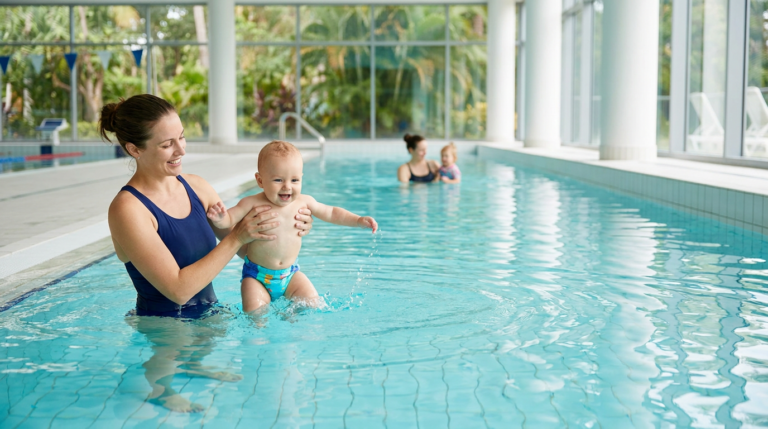
Young children must always be within arm's reach of a responsible adult when near any body of water, regardless of depth. Even shallow water poses a significant drowning risk for toddlers. Enrolment in a structured learn-to-swim programme from as early as possible is strongly recommended. Learning to float, hold the edge of a pool, and exit the water independently are foundational skills that provide a critical window of time in an emergency situation.
Older children benefit from understanding water environments, not just swimming strokes. Teach children to always swim in designated areas with lifeguards present, to swim with a buddy, and to recognise the signs of a rip current. Adolescents should be especially cautious about peer pressure that encourages risky behaviour near water, such as jumping from heights or swimming in restricted areas. Completing SwimSafer 2.0 stages provides a formal framework for developing these judgement skills alongside technical ability.
Adults who learned to swim informally may have gaps in their water safety knowledge. It is worth revisiting fundamentals such as how to tread water for an extended period, how to signal for help, and how to assist a struggling swimmer without putting yourself at risk. For seniors, it is important to recognise that physical capacity in water can change over time, and activities should be adjusted accordingly. Regular swimming remains one of the most beneficial low-impact exercises for older adults, provided it is approached with appropriate caution.
Knowing how to keep yourself safe in water is essential, but understanding how to assist others in distress can be the difference between life and death. Basic lifesaving knowledge is accessible to anyone and does not require advanced training to apply in an emergency.
The following principles form the basis of responsible bystander response:
Singapore Red Cross and other authorised providers regularly offer CPR and basic first aid courses for members of the public. Lifesaving skills extend beyond the pool — they are community responsibilities that every person near water should aspire to hold.
Investing in professional swimming lessons is the single most effective step toward water safety. In Singapore, structured swimming lessons are widely available through community centres, ActiveSG pools, private swim schools, country clubs, and dedicated aquatic centres like SPEEDISWIM. Understanding the options helps families make informed decisions suited to their child's learning needs and goals.
Group lessons are the most accessible format, typically costing between $35 and $55 per session. These classes are ideal for children and adults working through foundational stages, offering peer learning, social interaction, and consistent progress tracking. Group settings also mirror real-world aquatic environments where swimmers must be aware of others around them.
Private and semi-private lessons are suited to swimmers who require individual attention, those with specific learning needs, or those aiming to accelerate their progress. Pricing for these formats generally ranges from $60 to $120 per session in Singapore. For competitive athletes or students preparing for SwimSafer assessments, private coaching can provide targeted technical feedback not always possible in group settings.
When selecting a programme, prioritise centres that employ qualified coaches holding recognised certifications, follow a structured progression framework such as SwimSafer 2.0, and have clear safety protocols in place at all facilities.
Water safety and confidence are not developed through swimming lessons alone. Broader participation in aquatic sports builds physical capability, spatial awareness in water, and a healthy, positive relationship with aquatic environments. SPEEDISWIM offers a comprehensive suite of programmes spanning multiple disciplines, each contributing to well-rounded water competency.
Competitive Swimming develops stroke efficiency, endurance, and racing techniques in a structured, goal-oriented environment. Athletes who pursue competitive swimming consistently demonstrate superior water survival skills as a by-product of their technical training.
Artistic Swimming (formerly synchronised swimming) builds extraordinary breath control, core strength, and three-dimensional spatial orientation in water. Practitioners develop an exceptional sense of their body's position and limitations in aquatic environments.
Water Polo combines swimming endurance with dynamic movement and team coordination, training athletes to remain calm and functional in physically demanding aquatic scenarios. Similarly, Underwater Hockey introduces participants to breath-hold diving and subaquatic movement in a fun, team-based format that builds unique water confidence.
Not all swim schools are created equal, and the quality of instruction has a direct impact on both safety outcomes and long-term swimmer development. When evaluating options in Singapore, consider the following criteria carefully.
SPEEDISWIM has been operating since 1998 and has trained more than 25,000 students across Singapore, with a coaching team that has developed over 1,000 athletes across competitive swimming, artistic swimming, water polo, diving, fin training, and lifesaving. Operating across multiple premier venues including international schools and country clubs, SPEEDISWIM offers programmes that combine world-class instruction with nationally certified frameworks — making it one of Singapore's most trusted choices for both beginner water safety education and elite athlete development.
Water safety in Singapore is not a single conversation — it is a continuous commitment to education, awareness, and skill development. From understanding the silent nature of drowning to completing SwimSafer 2.0 stages, every step taken toward greater water competency reduces risk and builds confidence. The skills learned in the pool have a way of transferring far beyond it, instilling resilience, discipline, and calm under pressure that serve people throughout their lives.
Whether your goal is to ensure your child can survive in water, to earn a nationally recognised qualification, or to build toward competitive swimming, the right programme and the right coaching make all the difference. With over two decades of experience and a proven record of developing safe, capable, and competitive swimmers, SPEEDISWIM is ready to support your aquatic journey at every stage.
Whether you are enrolling a child in their first swim lesson or looking to advance through SwimSafer 2.0, SPEEDISWIM's team of qualified coaches is here to help. With programmes for all ages and abilities across multiple Singapore venues, there has never been a better time to get started.