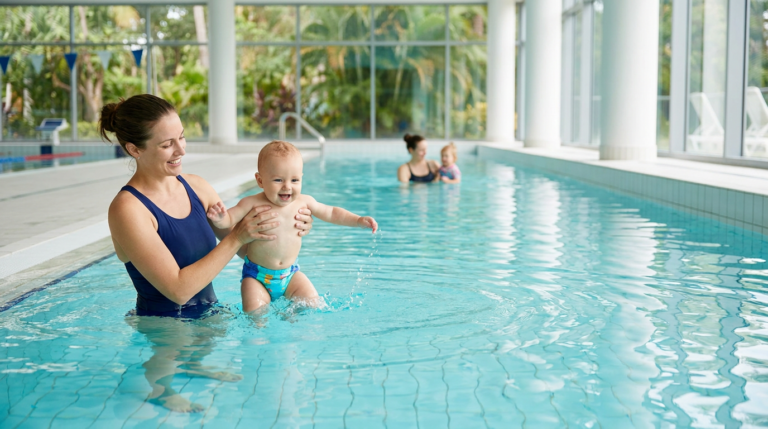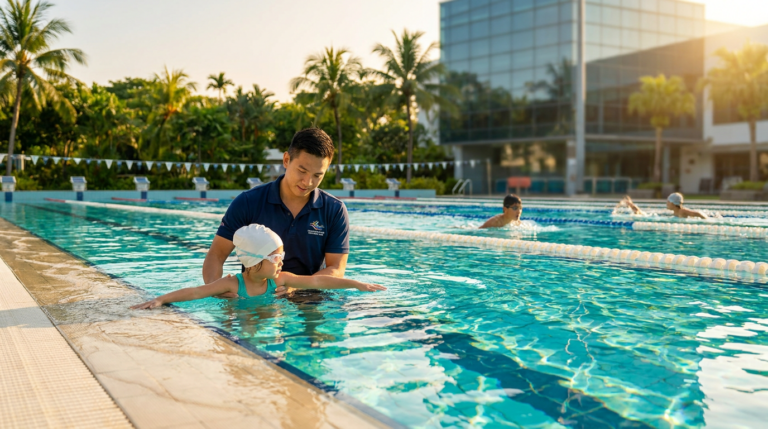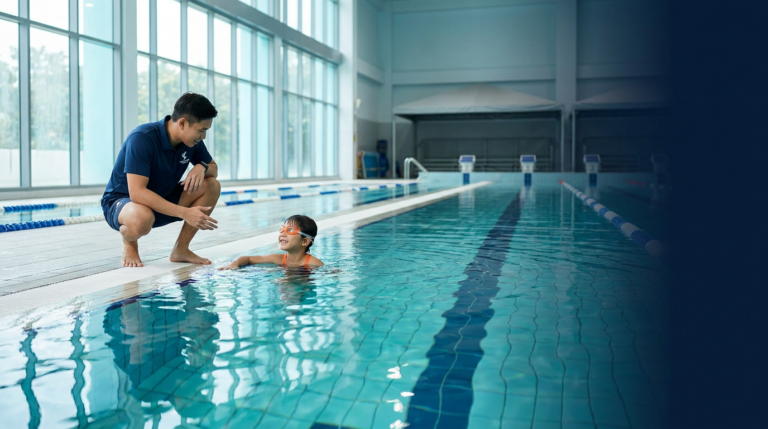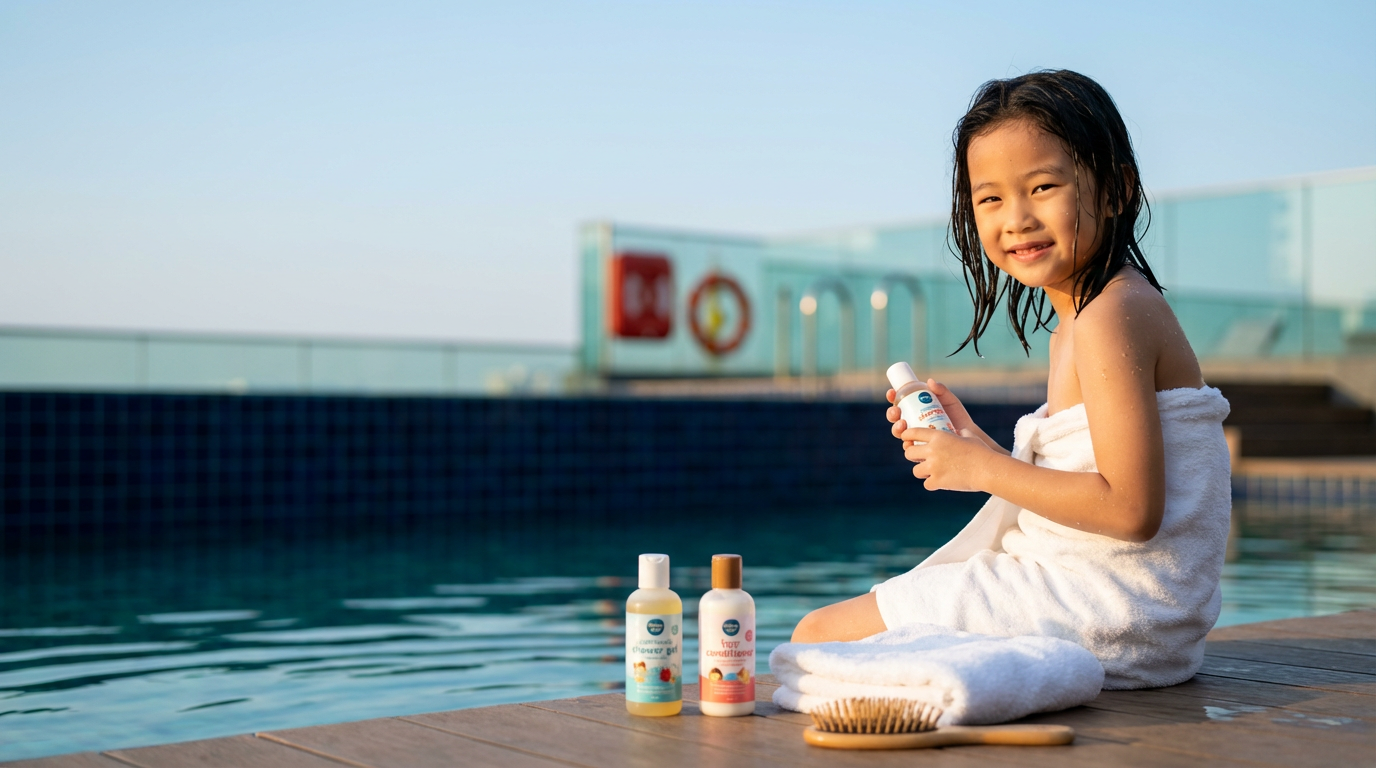
As your child splashes out of the pool after another rewarding swimming session, the care routine doesn't end when the lesson does. Whether your young swimmer is mastering water safety skills through structured programs like the SwimSafer Program or training for competitive swimming, what happens in those crucial minutes after leaving the water can significantly impact their skin health, hair condition, and overall wellbeing.
Chlorinated pool water, while essential for maintaining hygiene and safety in aquatic facilities, can take a toll on children's delicate skin and hair. With Singapore's tropical climate adding another layer of consideration, establishing a consistent post-swimming care routine becomes even more important. Over two decades of working with more than 25,000 students at SPEEDISWIM, we've seen firsthand how proper after-swim care helps young swimmers stay comfortable, healthy, and eager to return to the pool.
This comprehensive guide walks you through every essential step of post-swimming care for children, from the moment they exit the pool to the hours that follow. You'll discover practical techniques that protect against chlorine damage, prevent common swimming-related health issues, and keep your young athlete thriving both in and out of the water.
Children's skin is notably more permeable and sensitive than adult skin, making it particularly vulnerable to the effects of pool chemicals. When chlorine combines with organic matter in pool water, it creates chloramines—compounds that can cause skin dryness, irritation, and that distinctive "pool smell" that many associate with swimming.
Beyond the immediate discomfort of dry, itchy skin, inadequate post-swim care can lead to more persistent issues. Regular swimmers without proper care routines may develop swimmer's itch (a rash caused by prolonged chlorine exposure), damaged hair that becomes brittle and discolored, or recurring ear infections that could sideline them from activities they love. For children training multiple times per week, these cumulative effects become even more pronounced.
The good news is that establishing a thorough post-swimming routine takes just 10-15 minutes and provides lasting benefits. By removing chemical residue, restoring moisture, and protecting vulnerable areas like ears and eyes, you're setting the foundation for a lifetime of healthy swimming habits. This becomes particularly important as young swimmers progress through skill levels and increase their time in the water.
The single most important step in post-swimming care happens within minutes of leaving the pool. An immediate, thorough rinse removes chlorine and other pool chemicals before they have extended contact with your child's skin and hair. This simple action prevents up to 80% of chlorine-related skin issues.
Start with a complete body rinse using fresh water. While a quick 30-second shower might seem sufficient, aim for at least 2-3 minutes of thorough rinsing, ensuring water reaches all body areas including underarms, between fingers and toes, and behind ears. Pay particular attention to areas where swimsuit elastic sits against skin, as these spots trap chlorinated water and are prone to irritation.
Temperature matters more than you might think. Lukewarm water (not hot) effectively removes chlorine without stripping away natural oils that protect your child's skin. Hot water, while tempting especially in air-conditioned facilities, actually opens pores further and can increase skin dryness. If your child complains about the water temperature, frame it positively by explaining how the right temperature helps their skin stay healthy for more swimming adventures.
Not all soaps are created equal for post-swim cleansing. Choose a mild, pH-balanced body wash specifically designed to neutralize chlorine. Regular soaps can sometimes react with chlorine residue, potentially increasing irritation rather than reducing it. Products containing vitamin C (ascorbic acid) are particularly effective at breaking down chlorine compounds on the skin.
For children with sensitive skin or those swimming more than three times per week, consider alternating between a chlorine-neutralizing wash and a gentle, fragrance-free moisturizing cleanser. This approach balances effective chlorine removal with maintaining the skin's protective barrier.
Chlorine affects hair by stripping away the natural oils that keep it moisturized and protected. Over time, this leads to dry, brittle strands that may develop a greenish tint (particularly noticeable in blonde or light-colored hair). For young swimmers building their skills and spending increasing time in the pool, establishing good hair care habits early prevents long-term damage.
Begin with a thorough rinse using fresh water, working your fingers through your child's hair to ensure water reaches the scalp. This removes the majority of chlorine before shampooing. Many parents make the mistake of applying shampoo directly to chlorine-saturated hair, which can actually seal in chemicals rather than removing them.
Follow with a clarifying or swimmer's shampoo designed to remove chlorine, minerals, and chemical buildup. These specialized formulations contain chelating agents that bind to chlorine molecules and lift them away from hair strands. Use this type of shampoo 2-3 times per week for regular swimmers, alternating with a gentle, moisturizing shampoo on other swimming days to maintain hair's natural moisture balance.
Never skip conditioner after swimming—it's not optional for pool-exposed hair. A quality conditioner serves multiple purposes: it replaces moisture lost to chlorine, helps seal the hair cuticle (preventing further chemical absorption), and makes detangling significantly easier. For children with longer hair, this step prevents the painful pulling and breakage that can make post-swim routines unpleasant.
Apply conditioner from mid-shaft to ends, leaving it on for 2-3 minutes while your child finishes their shower. For particularly damaged or chemically stressed hair, consider using a deep conditioning treatment once weekly. These intensive treatments, left on for 5-10 minutes, penetrate deeper into the hair shaft and provide lasting protection against ongoing pool exposure.
When detangling, always use a wide-tooth comb and work from the ends upward. Starting at the roots and pulling through tangles causes unnecessary breakage and can turn post-swim care into a battle. A leave-in detangling spray formulated for children makes this process even gentler.
After thorough cleansing removes chlorine and other pool chemicals, your child's skin needs moisture restoration. The cleansing process, while necessary, removes not just chlorine but also some of the skin's natural protective oils. This is especially true in Singapore's climate, where air conditioning indoors and humidity outdoors create additional challenges for skin moisture balance.
Apply moisturizer within three minutes of showering, while skin is still slightly damp. This timing is crucial because damp skin absorbs moisturizer more effectively, sealing in hydration and creating a protective barrier. This practice, called "soak and seal" by dermatologists, maximizes the benefits of your chosen moisturizer.
Choose a fragrance-free, hypoallergenic moisturizer with ingredients like ceramides, glycerin, or hyaluronic acid. These components help restore the skin's natural moisture barrier, which chlorine exposure compromises. For children with eczema or particularly sensitive skin, look for products specifically labeled as suitable for atopic dermatitis or recommended by pediatric dermatologists.
Certain body areas need special consideration in your post-swimming skin care routine:
For competitive swimmers training five or more times weekly, consider adding a barrier cream application before swimming. These specialized products create a protective layer between skin and chlorinated water, reducing chemical absorption during training sessions. While this is a pre-swim rather than post-swim step, it pairs perfectly with a thorough after-swim routine for maximum skin protection.
While skin and hair care receive most of the attention, ears and eyes require their own specialized post-swimming care. These sensitive areas are particularly vulnerable to pool water exposure and can develop infections that sideline young swimmers from training.
Swimmer's ear (otitis externa) is one of the most common swimming-related health issues, occurring when water trapped in the ear canal creates a moist environment where bacteria thrive. The condition causes pain, itching, and sometimes hearing changes. Prevention is far easier than treatment.
After swimming, help your child tilt their head to each side, pulling the earlobe gently upward and backward to encourage water drainage. Resist the temptation to use cotton swabs, which can push water deeper into the ear canal and potentially damage the delicate ear drum. Instead, hold a towel against the ear opening and let natural drainage occur.
For frequent swimmers or children prone to ear infections, consider using preventive ear drops after each swim session. These over-the-counter solutions, typically containing a mixture of alcohol and acetic acid, help evaporate trapped water and create an environment hostile to bacterial growth. Apply 2-3 drops in each ear after swimming, following package directions carefully. Alternatively, your pediatrician can recommend a specific formulation suited to your child's needs.
Red, irritated eyes after swimming are so common that many people accept them as inevitable. However, with proper care, your child can avoid this discomfort. The redness comes from chloramines irritating the eye's sensitive tissues, not chlorine itself.
Encourage your child to avoid rubbing their eyes immediately after swimming, as this can grind chlorine residue and pool water further into delicate eye tissue. Instead, rinse eyes with fresh water or saline solution as soon as possible after leaving the pool. If your child wears goggles during swimming (which we strongly recommend), ensure they're removed carefully to avoid introducing pool water into eyes during the process.
For children experiencing persistent eye irritation despite proper goggle use, preservative-free artificial tears can provide relief. These lubricating eye drops wash away chemical residue and soothe irritated tissues. Consult with your pediatrician or eye care professional if eye redness or irritation persists beyond 30 minutes after swimming or occurs frequently.
Post-swimming care extends beyond external treatments to what your child puts into their body. Swimming is physically demanding, and children lose fluids through exertion even though they're surrounded by water. Many young swimmers don't recognize thirst while in the pool, making post-swim rehydration especially important.
Offer water immediately after swimming, before your child even changes out of their swimsuit. Aim for at least 150-250ml initially, with additional fluids available as needed. For training sessions lasting longer than 45 minutes, particularly for children involved in competitive programs, consider an electrolyte replacement drink to replenish sodium and potassium lost through sweat.
Watch for signs of dehydration including dark-colored urine, fatigue beyond typical post-exercise tiredness, headache, or dizziness. These symptoms require immediate fluid replacement and, if severe, medical attention. Teaching children to monitor their own hydration by observing urine color (aiming for pale yellow) helps them develop healthy self-awareness.
The 30-60 minutes following swimming represents a crucial window for refueling growing bodies. During this time, muscles are particularly receptive to nutrients and ready to replenish depleted energy stores. For children swimming as part of their athletic development, proper post-swim nutrition supports both immediate recovery and long-term performance gains.
An ideal post-swim snack combines carbohydrates for energy replenishment and protein for muscle recovery. Good options include:
For children training multiple times weekly or participating in competitive swimming programs, consistency in post-swim nutrition becomes even more important. These regular refueling habits support their training demands and help prevent the cumulative fatigue that can develop when nutrition doesn't match activity levels.
While not directly related to your child's body, proper swimwear care plays an important supporting role in their overall swimming health and hygiene. Chlorine-saturated swimsuits left in bags or not properly rinsed can harbor bacteria and develop mildew, potentially contributing to skin irritation during the next swim session.
Rinse swimsuits thoroughly in cool, fresh water immediately after swimming. This removes the majority of chlorine before it has time to degrade the fabric's elastic fibers. Never leave wet swimsuits in plastic bags for extended periods—the enclosed, damp environment creates ideal conditions for bacterial growth and unpleasant odors.
Every few wears, hand wash swimsuits using a mild detergent or specialized swimwear cleaner, then rinse thoroughly. Avoid using regular laundry detergent, which can be harsh on swimsuit materials and may not effectively remove chlorine buildup. Machine washing is generally acceptable for practice suits but can reduce the lifespan of competition swimwear. Always air dry swimsuits away from direct sunlight, which can fade colors and weaken elastic.
Swimming accessories like goggles, swim caps, and training aids also require regular care. Rinse goggles in fresh water after each use and allow them to air dry before storing in their case. Never wipe the inside of goggle lenses, as this damages the anti-fog coating. Swim caps should be rinsed, dried inside and out, and sprinkled with talcum powder occasionally to prevent the silicone or latex from becoming sticky.
For children participating in other aquatic disciplines like water polo or underwater hockey, sport-specific equipment requires its own maintenance routines. Consult with your child's coach about proper care procedures for specialized gear to ensure it remains hygienic and functional.
Children training at competitive levels face unique post-swimming care challenges. With training sessions often occurring 4-6 times per week, sometimes twice daily, cumulative chlorine exposure increases significantly. Over more than two decades of developing competitive athletes, including swimmers who've progressed to National Youth and National Teams, we've seen how proper recovery routines become as important as training itself.
Double training days require adapted care routines. If your child swims twice in one day with limited time between sessions, prioritize the immediate rinse and moisturizer application over a complete shower after the first session. Save the thorough shampooing and conditioning for after the final training session. This approach balances chlorine removal with preserving skin and hair's natural protective oils.
Competitive swimmers benefit from weekly intensive treatments beyond daily care. Set aside time once per week for a deep conditioning hair treatment, extended skin moisturizing session, or even a professional assessment if skin or hair issues develop. Think of these intensive sessions as recovery days for skin and hair, parallel to the rest days built into training schedules.
Post-swim care routines offer regular opportunities to monitor your young athlete for signs of overtraining or health concerns. Changes in skin condition, unusual fatigue, persistent irritation, or decreased enthusiasm for swimming may indicate training load exceeds recovery capacity. These observations should prompt conversations with coaches about training volume and intensity.
Competitive swimmers also need enhanced nutritional support beyond recreational swimmers. Work with a sports nutritionist familiar with swimming's demands to ensure your child's diet supports their training volume. Proper nutrition enhances the effectiveness of external post-swim care by supporting skin, hair, and immune system health from within.
Even with diligent post-swimming care, occasional issues may arise. Recognizing problems early and knowing when to seek professional help ensures minor concerns don't become major obstacles to your child's swimming journey.
Chlorine rash appears as red, itchy patches, typically in areas where swimsuits create friction or where chlorine exposure is most concentrated. If your post-swim moisturizing routine doesn't resolve the rash within 2-3 days, or if it worsens, consult your pediatrician. They may recommend a mild hydrocortisone cream or adjusted care routine.
Hot tub folliculitis, caused by bacteria in improperly maintained pools or hot tubs, creates itchy red bumps similar to acne, often appearing 12-48 hours after exposure. While most cases resolve without treatment, persistent or spreading bumps warrant medical evaluation. Prevention focuses on ensuring your child showers immediately after swimming and avoiding sitting in wet swimsuits.
Warts can spread in pool areas where children walk barefoot. While not caused by chlorine itself, the pool environment facilitates transmission. Encourage your child to wear flip-flops or water shoes in locker rooms and on pool decks. If warts appear, consult your pediatrician about treatment options.
Certain symptoms require prompt medical evaluation rather than home care adjustments. Contact your pediatrician if your child experiences:
These symptoms, while uncommon when proper swimming and care protocols are followed, occasionally occur and deserve professional assessment. Early intervention prevents minor issues from becoming significant health concerns that might interrupt your child's swimming activities.
The most effective post-swimming care routine is one your family can maintain consistently. Start with the essential steps—immediate rinse, proper cleansing, moisturizing, and ear care—then add refinements as these become habitual. For younger children, creating a checklist or visual routine chart helps them remember each step and builds independence.
As children progress in their swimming journey, whether they're mastering water safety fundamentals or advancing toward competitive goals, these care routines become second nature. The habits established now create a foundation for lifelong healthy swimming practices, ensuring that the water remains a source of joy, fitness, and achievement rather than discomfort or health concerns.
Swimming offers tremendous benefits for children's physical development, water safety skills, and potential athletic achievement. Organizations like SPEEDISWIM have spent over two decades helping children develop these skills across multiple aquatic disciplines, from foundational programs to elite competitive training. Supporting this development with proper post-swimming care ensures your child can participate fully, comfortably, and healthily in all the water has to offer.
Establishing a comprehensive post-swimming care routine protects your child's skin, hair, and overall health while supporting their growth as a swimmer. These practices take just minutes after each session but provide lasting benefits that allow your young swimmer to pursue their aquatic activities comfortably and safely. From the immediate chlorine-removing rinse to proper hydration and nutrition, each element plays a vital role in your child's wellbeing.
As your child continues developing their swimming abilities, whether through recreational lessons or more intensive training pathways, these care routines become an integral part of their swimming experience. The consistency you establish now creates healthy habits that will serve them throughout their aquatic journey. Remember that every child's skin and hair responds differently to pool exposure—observe what works best for your swimmer and adjust accordingly.
Swimming provides extraordinary opportunities for physical fitness, water safety mastery, and personal achievement. With proper post-swim care supporting your child's time in the water, they can fully embrace all the benefits swimming offers without the discomfort or health concerns that inadequate care routines might create. Your attention to these details demonstrates that excellence in swimming extends beyond technique to encompass complete care for your young athlete's health and wellbeing.
Whether your child is beginning their water safety education or pursuing competitive swimming excellence, SPEEDISWIM's experienced coaches provide the foundation for success. With over 20 years of expertise training more than 25,000 students and developing National Team athletes, we offer comprehensive programs across multiple aquatic disciplines.