Every year, thousands of Singapore parents search for the best kids swimming lessons — and for good reason. Living on an island nation surrounded by pools, beaches, and waterways, swimming is far more than a recreational hobby. It is a genuine life skill, one that builds water safety awareness, physical confidence, and resilience that children carry with them long after they leave the pool. But with so many programs, coaches, and formats available, finding the right fit can feel overwhelming.
This guide is designed to make that decision straightforward. Whether your child is a complete beginner who needs a gentle introduction to the water, a school-age learner working through the national SwimSafer 2.0 program, or a young athlete ready to explore competitive pathways, understanding what to look for in a program and instructor is the most important step you can take. Drawing on over two decades of aquatic education expertise, SPEEDISWIM — Singapore's dedicated aquatic centre since 1998 — has helped more than 25,000 students find their footing in the water. Here is everything you need to know to make a confident, informed choice for your child.
Singapore's tropical environment means children are regularly exposed to water — from condominium pools and public swimming complexes to beaches and water parks that are simply part of growing up here. According to the Singapore Civil Defence Force, drowning remains one of the leading causes of accidental death among young children. While swimming lessons do not make children "drown-proof," they develop water awareness, basic survival reflexes, and respect for aquatic environments that significantly reduce risk. This is why investing in quality swimming instruction is not merely an enrichment activity — it is a foundational safety decision.
The benefits extend well beyond safety, too. Beyond safety and fitness, swimming can build confidence, discipline, and resilience in young learners. The progressive nature of swimming instruction — mastering skills incrementally from basic floating to advanced strokes — teaches children the value of persistence and practice, lessons that extend beyond the pool. For many children, the feeling of swimming their first full length of a pool independently is one of the most significant early achievements of their lives, and that confidence spreads into every other aspect of their development.
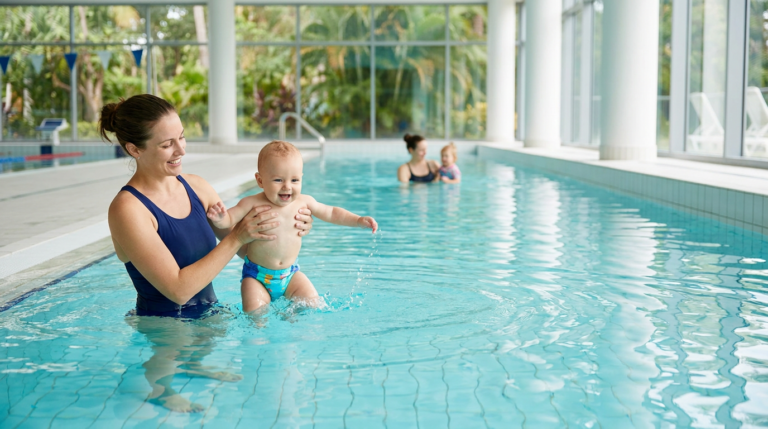
One of the most common questions parents ask is simply: when is the right time to start? The honest answer is that there is no single magic age — but there are helpful guidelines that give parents a clear starting point. Water exposure can begin as early as six months through parent-supervised play. For formal structured swimming instruction, it is generally recommended to wait until age five, when children have developed sufficient motor skills and bladder control. Before that age, parent-and-child water familiarisation classes can be an excellent way to build positive associations with the water without the pressure of formal technique.
Children who start lessons between ages two and four develop instinctive water responses during a formative period when their brains are exceptionally receptive to new motor patterns. Beyond safety, early swimming lessons support broader developmental benefits.Water provides a unique sensory environment that enhances spatial awareness, balance, and bilateral coordination. The resistance of water strengthens muscles without stress on developing joints, while breath control exercises improve lung capacity and respiratory function. Even if your child is older and just starting out, it is never too late — children at primary school age and beyond can progress quickly with the right instruction and consistent practice.
What matters most is matching your child to the right level at the right time. What matters most is matching your child to the right stage at the right time, without pressure and without comparison. A child who starts at the correct level, in a supportive environment, will always progress faster than one who is pushed too early or placed in a class that does not suit where they are.
SwimSafer represents Singapore's national water safety program, initially launched by the National Water Safety Council in collaboration with SportsSG in 2010. The program underwent comprehensive review in 2016-2017, resulting in the current SwimSafer 2.0 framework that emphasises skill development alongside water safety and personal survival education. For any parent enrolling a child in swimming lessons in Singapore, understanding this framework is essential — it is the backbone of structured swimming education across the island.
The SwimSafer 2.0 programme consists of six progressive stages, each comprising approximately 12 hours of lesson time. Survival and activity skills are taught in each stage of the programme, working progressively toward the next stage. The programme is designed to emphasise the importance of safety around aquatic environments, with the aim of teaching swimming proficiency and water survival skills in a fun manner. Each stage is assessed through a combination of practical in-water skills and a theory quiz covering water safety knowledge, emergency response, and environmental awareness.
The six stages progress from foundational water confidence all the way to advanced open-water survival competency. The programme covers six progressive stages — from basic water adjustment and breath control at Stage 1 through to 400-metre swimming, advanced rescue techniques, and survival skills at Stage 6 Gold. All stages include both practical swimming skills and a theory quiz on personal safety, environmental awareness, and emergency response.SwimSafer is a national water safety programme by Sport Singapore (SportSG), launched in July 2010 and now in its 2.0 format. It is fully funded for all primary school students by the Ministry of Education and delivered during curriculum time. Enrolling your child in a SwimSafer-aligned program before their Primary 3 year means they arrive at their school assessment already well-prepared.
Instructors certified to teach SwimSafer 2.0 have demonstrated competency in delivering structured, progressive lessons across six stages, from basic water confidence to advanced survival and activity skills. This certification ensures instructors understand the specific learning outcomes, assessment criteria, and safety protocols embedded in Singapore's national framework. At SPEEDISWIM, every coach on our SwimSafer program holds current certification aligned with these national standards, ensuring your child's progress maps directly to official assessment requirements.
Once you have decided to enrol your child, one of the most practical decisions you will face is choosing between group lessons and private instruction. Both formats have genuine strengths, and the right choice depends largely on your child's personality, current confidence level, and your family's goals. Neither is universally "better" — it completely depends on the child's personality, age, and your family's goals.
Group swimming lessons offer a lively and social learning environment where children progress alongside peers. Many children enjoy the shared energy of group settings, which helps reduce fear and increases motivation. The presence of other learners creates a friendly atmosphere where children see each other attempt skills, gain encouragement, and celebrate progress together.Peer motivation is a genuine asset: children often progress faster when they see their friends successfully floating or treading water. It turns a "scary" task into a friendly challenge. From a practical standpoint, group lessons are also considerably more cost-effective, with fees in Singapore typically ranging from $35 to $55 per session.
Private and semi-private lessons, on the other hand, deliver undivided coaching attention that accelerates technical development and is especially valuable for children who need extra confidence-building. Private lessons offer one-to-one guidance where every minute of the session is tailored to the child. A private swim coach can identify technical mistakes quickly, adjust drills immediately, and provide consistent reassurance. This individualised attention is ideal for children who feel nervous, require confidence-building, or need customised lesson pacing. Private and semi-private lessons in Singapore generally command premium pricing, ranging from $60 to $120 per session, but for children with specific challenges or accelerated goals, this investment is often worthwhile.
A useful middle path many families adopt is starting anxious or younger beginners in private lessons to build foundational confidence, then transitioning them into a group class once they are comfortable enough to benefit from the social dynamic. Group lessons work well for most children and offer peer motivation and structured progression. Private lessons are better for children who need extra support, have water anxiety, or are working on a specific technique. Many families use both at different stages.
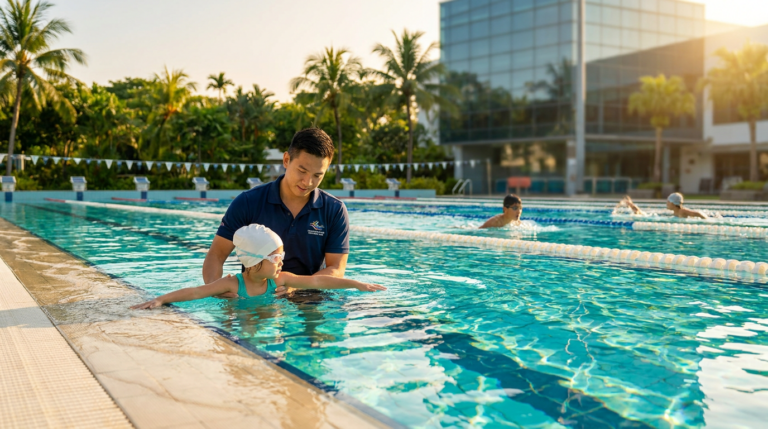
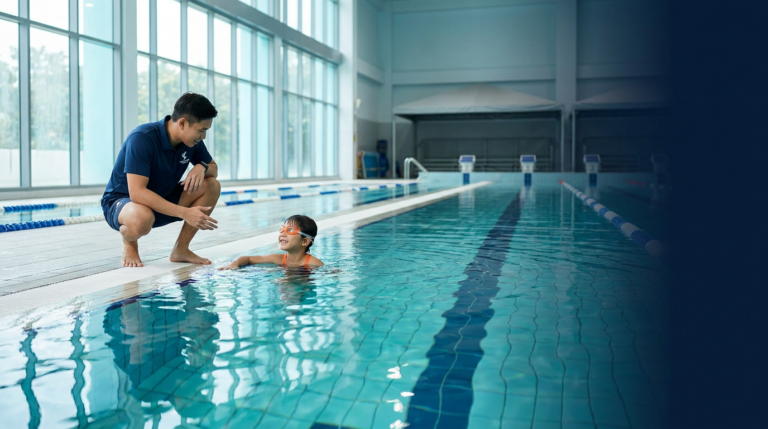
The instructor your child works with will shape their entire experience in the water — their confidence, their technique, and perhaps most importantly, their long-term relationship with swimming. A skilled instructor shapes a child's entire learning experience. Look for recognised certifications, first aid training, and experience teaching children of similar ages. Equally important is how the coach interacts with students. Patient instructors who celebrate small progress help children feel confident. Here is what to evaluate when assessing any swimming instructor in Singapore:
SPEEDISWIM's coaches are professionally qualified and hold certifications aligned with both SwimSafer 2.0 and SSPA (Singapore Swimming Proficiency Award) standards. With a coaching team that has developed over 50 athletes selected for National Youth and National Teams — including SNOC Sportsgirl of the Year 2018 Debbie Soh Li Fei — the depth of expertise on our team goes far beyond minimum qualifications.
Beyond the individual instructor, the overall program structure plays a critical role in how quickly and confidently your child progresses. A well-designed program does not simply teach children to swim laps; it builds water safety awareness, develops technique progressively, and creates a pathway for continued growth. When evaluating any swimming program in Singapore, consider the following:
SPEEDISWIM operates across multiple venues in Singapore, including international schools and prestigious country clubs. As one of the official Non-ActiveSG Pool CAMS (Centralised Assessment Management System) Centres at Orchid Country Club, SPEEDISWIM students benefit from assessments that map directly to official Sport Singapore standards — meaning there are no surprises when certification day arrives.
For many children, completing the SwimSafer program is the beginning of a much larger aquatic journey. Beyond safety, SwimSafer certification opens pathways to academic and athletic opportunities. Many schools in Singapore require SwimSafer certification for water-based activities during camps and excursions, and upon successful completion, students receive an official SwimSafer certificate recognised by all schools and aquatic facilities in Singapore. But for children with a deeper love of the water, the real excitement lies in what comes next.
SPEEDISWIM's Competitive Swimming program provides a structured pathway for children who demonstrate both the aptitude and the drive to compete at club and national level. With over 1,000 athletes trained across multiple aquatic disciplines and 50 swimmers selected for National Youth and National Teams, the pathway from learn-to-swim to elite competition is well-established within our programs. Singapore's Direct School Admission (DSA) program allows talented swimmers to gain entry to top schools based on their aquatic achievements — a meaningful opportunity that opens doors far beyond the pool.
Swimming excellence also opens doors to a rich variety of specialty aquatic sports. Beyond traditional competitive swimming, SwimSafer graduates possess the skills to explore diverse aquatic sports. Programs include artistic swimming, which combines swimming, dance, and gymnastics in stunning synchronised routines; water polo, a dynamic team sport requiring excellent swimming ability and strategic thinking; and underwater hockey, an exciting sport played on the pool bottom that demands breath control and teamwork. SPEEDISWIM offers dedicated programs across all of these disciplines — explore Artistic Swimming, Water Polo, and Underwater Hockey to discover where your child's passion might lead.
Just as important as knowing what to look for is knowing what to avoid. While the vast majority of swim schools and instructors in Singapore operate professionally, there are warning signs worth being aware of when evaluating a program for your child.
Cost matters, but value matters more. Instead of focusing solely on price, consider what your child receives: experienced instructors, safety practices, structured learning, and an enjoyable environment. Sometimes paying slightly more leads to a far better experience and stronger long-term results. The goal is not simply to complete a checklist of stages — it is to raise a child who is genuinely confident, safe, and happy in the water.
Choosing kids swimming lessons is one of the most impactful decisions you can make for your child's safety, physical development, and long-term confidence. In Singapore, where water surrounds everyday life, this is not a decision to take lightly — but it also does not need to be a complicated one. Start by understanding your child's current readiness and personality, look for programs built on the SwimSafer 2.0 framework, and prioritise instructors who combine genuine credentials with the patience and communication skills that young learners need.
At SPEEDISWIM, we have spent more than 25 years building a structured, proven approach to aquatic education — from first splashes through to national team selection. Whether your child is taking their very first lesson or is ready to explore competitive swimming, artistic swimming, or water polo, we have the expertise, the facilities, and the dedicated coaching team to help them thrive.
Our experienced team at SPEEDISWIM is here to help you identify the best program, stage, and format to suit your child's age, ability, and goals. With over 25,000 students taught since 1998, we know how to match every learner with the right path forward.