Singapore sits just one degree north of the equator, which means swimmers here enjoy year-round warmth — but also year-round humidity, unpredictable downpours, and UV intensity that other countries rarely experience. When families and adults search for swimming pools in Singapore, one of the most common and genuinely important questions they face is whether to choose an indoor or outdoor facility. On the surface, it might seem like a matter of preference. In practice, the decision touches on everything from training consistency and hygiene to long-term skill development and overall comfort.
This article breaks down the real differences between indoor and outdoor swimming pools in Singapore, examining how weather patterns affect training, what hygiene considerations swimmers should know, and how the environment shapes the overall experience — whether you're a parent enrolling a child in a SwimSafer programme, an adult improving fitness, or an aspiring competitive swimmer looking for the right training ground.
Many swimmers assume that a pool is a pool — water is water, lanes are lanes. But the environment surrounding the pool shapes almost every aspect of your swim. Lighting conditions affect visibility and mood. Temperature consistency (or lack thereof) affects warm-up, recovery, and performance. The presence or absence of a roof determines whether a 9am lesson gets cancelled because a storm rolled in from Johor Bahru. These are not minor inconveniences; they are factors that compound over weeks and months of training.
For children in structured learn-to-swim programmes, cancelled lessons disrupt the progression of skills and can erode confidence. For competitive swimmers, inconsistent training conditions affect performance benchmarking and preparation. For recreational swimmers, discomfort or unpredictability simply makes it harder to build a sustainable routine. Choosing the right pool environment is, in many ways, choosing how seriously you want to commit to swimming as a skill or lifestyle.
Singapore experiences two distinct monsoon seasons — the Northeast Monsoon from November to March and the Southwest Monsoon from June to September — along with inter-monsoon periods marked by intense afternoon thunderstorms. For outdoor pools, this creates a real operational challenge. Lessons and training sessions are frequently interrupted or cancelled outright due to lightning warnings, which trigger mandatory pool closures under the Singapore Sports Council's safety protocols. A single cancelled session might seem trivial, but across a 12-lesson term, weather disruptions can cost a swimmer two or three valuable hours in the water.
Indoor pools eliminate this variable almost entirely. Sessions proceed regardless of what is happening outside. There are no lightning delays, no scramble to reschedule make-up classes, and no anxious parents checking the weather app thirty minutes before a lesson. For families managing tight school and activity schedules, this kind of reliability is genuinely valuable and often underestimated until they have experienced the frustration of repeated outdoor cancellations.
Heat and UV exposure also deserve consideration. Singapore's UV Index regularly reaches levels classified as "extreme" by the World Health Organisation, particularly between 11am and 3pm. Outdoor morning or late afternoon sessions are generally manageable, but extended exposure without adequate sun protection poses real risks — especially for children with sensitive skin or swimmers training multiple days per week. Indoor pools offer natural protection from UV radiation, making them inherently safer for regular, long-term training without additional sun-safety measures.
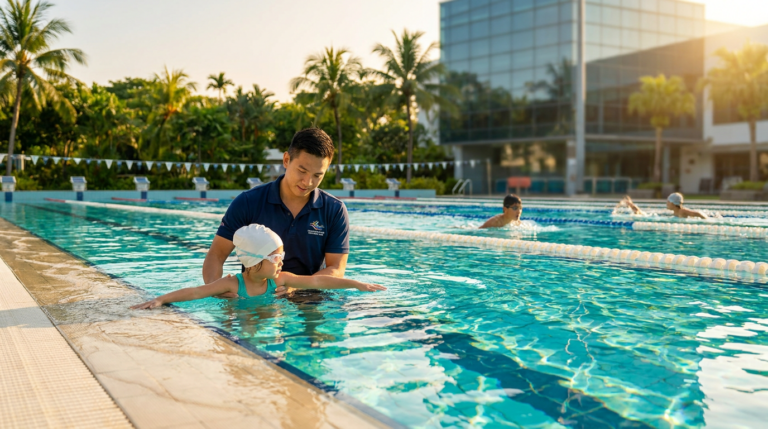
On the other side of the argument, outdoor pools offer what indoor facilities simply cannot replicate: open air, natural light, and the sensory experience of swimming under a sky. For recreational lap swimmers and adults who find indoor environments mentally confining, the outdoor pool offers a different kind of value — one tied to wellbeing and enjoyment rather than pure training efficiency.
Pool hygiene in Singapore is regulated by the National Environment Agency (NEA), which sets standards for water quality, chemical levels, and facility maintenance across both public and private pools. Both indoor and outdoor pools are legally required to meet these standards, so swimmers at any licensed facility can expect a baseline level of water safety. However, the day-to-day hygiene experience differs in meaningful ways depending on the pool type.
Outdoor pools are exposed to environmental contaminants that indoor facilities are not. Wind carries dust, pollen, fallen leaves, and occasionally insects into the water. Bird activity near open pools introduces organic matter that accelerates microbial growth. Sunlight, interestingly, does have a mild natural sanitising effect on pool water, but this benefit is far outweighed by the increased contamination load from the environment. Pool operators managing outdoor facilities typically need to monitor and adjust chemical levels more frequently to compensate.
Indoor pools, by contrast, maintain a more controlled environment. The absence of wind and wildlife reduces the introduction of organic matter, and consistent temperature and light conditions make chemical management more predictable. That said, indoor pools carry their own hygiene consideration: ventilation. Poorly ventilated indoor facilities can accumulate chloramine fumes — a byproduct of chlorine reacting with organic matter — leading to the sharp, eye-irritating smell that many swimmers associate with indoor pools. A well-designed indoor aquatic facility will have robust air circulation systems that manage this effectively. When evaluating an indoor pool, ventilation quality is one of the most important hygiene factors to assess.
For parents enrolling young children, the hygiene question often centres on changing rooms, showers, and pool surrounds rather than the water itself. Both pool types vary significantly in this regard based on the facility operator rather than the indoor/outdoor distinction. Country clubs and international school pools — which tend to be managed with higher standards — generally offer cleaner amenities than high-traffic public pools regardless of whether they are indoors or out.
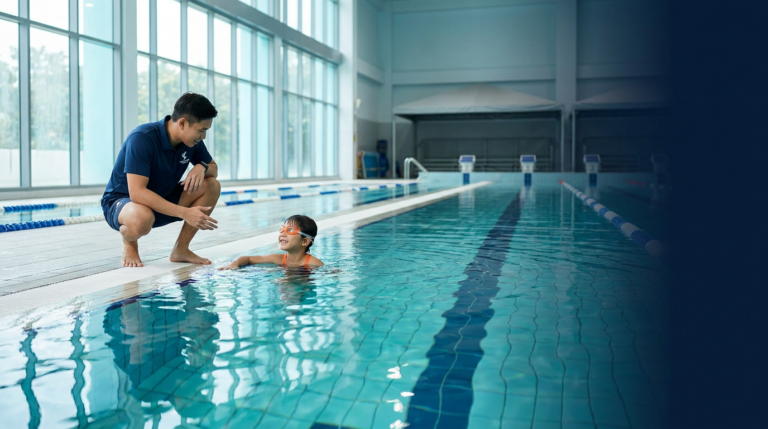
Beyond logistics, the environment shapes how swimming feels — and how motivated swimmers are to keep showing up. Indoor pools offer consistency that supports structured training. Water temperature is more stable, lighting is even, and the controlled setting makes it easier to focus on technique without external distractions. Coaches can communicate more easily with swimmers in sheltered environments, which is particularly relevant during skill-intensive lessons where verbal cues need to be heard clearly.
Outdoor pools provide an experience that many swimmers describe as simply more enjoyable. There is something naturally energising about open-air swimming — the sensation of breeze on the skin between sets, the visual openness of an outdoor space, and the informal atmosphere that many recreational swimmers prefer. For those who swim primarily for mental health benefits or fitness maintenance, the outdoor environment can feel less clinical and more restorative.
Pool length and configuration also vary by facility rather than by indoor/outdoor type. Most serious training pools in Singapore run 50 metres or 25 metres regardless of whether they are covered. What matters more for competitive swimmers is lane availability, timing system access, and the quality of coaching infrastructure — factors tied to the programme and facility rather than the roof overhead.
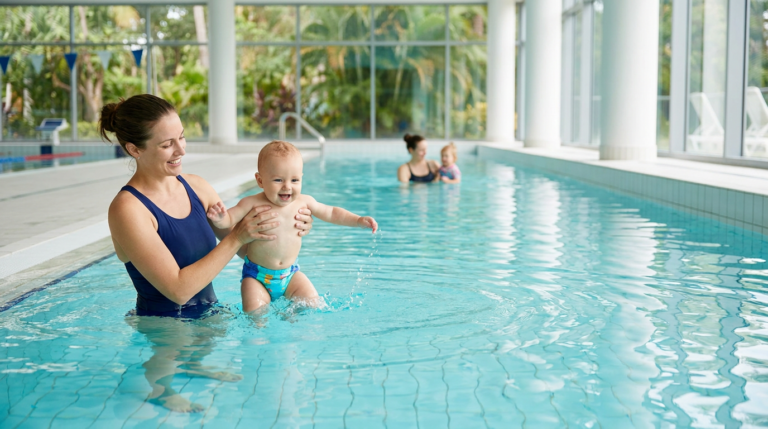
For children entering a structured learn-to-swim programme, the indoor pool environment generally offers a more supportive learning setting. The consistent conditions reduce anxiety triggers — young swimmers are not distracted by changes in weather, unexpected shadows, or the discomfort of being too warm between activities. Lesson continuity is maintained through Singapore's rainy seasons, which is important for programmes aligned with national certification pathways like SwimSafer 2.0.
SwimSafer 2.0, developed in collaboration with Sport Singapore, is the national water safety and swimming programme designed to teach children of all ages and abilities to swim safely and confidently in, on, and around water. It emphasises skill development alongside personal water survival education — a framework that works best when delivered consistently over time. Weather-related disruptions at outdoor venues can slow a child's progression through the programme stages, potentially delaying certification milestones that matter for school applications and direct school admission (DSA) pathways.
That said, some children thrive in outdoor pool environments, particularly if they find indoor settings overstimulating or uncomfortable. A child's individual temperament, sun sensitivity, and the specific programme structure should all factor into the decision. The most important variable is ultimately the quality of coaching and curriculum — not whether there is a roof.
For swimmers pursuing competitive swimming, training environment consistency becomes significantly more important. Elite and developing athletes need to train without interruption, benchmark times accurately across sessions, and condition their bodies systematically. A training programme disrupted by weather delays or inconsistent water temperatures makes precise periodisation difficult.
Most competitive aquatic programmes in Singapore operate out of indoor or covered pool facilities for this reason. International competitions and national championship events are held in indoor pools, which means that swimmers who train exclusively outdoors may face an adjustment period when competing in a covered venue — including differences in acoustics, light conditions, and atmosphere. Training regularly in the environment that mirrors competition conditions is a genuine performance consideration.
Competitive swimming is rarely limited to pool events alone. Disciplines like artistic swimming and water polo also benefit from consistent indoor training environments where team communication, choreography, and tactical play can be rehearsed without environmental interference. Even programmes like underwater hockey rely on controlled pool conditions to develop the sport-specific skills that define competitive performance.
Cost is a practical reality in any decision about swimming in Singapore. Public outdoor pools managed by ActiveSG are the most accessible and affordable option, with entry fees typically below $2 per session for residents. These facilities are widely distributed across HDB towns and offer SwimSafer-aligned programmes through authorised providers at competitive group rates.
Private and semi-private pools at country clubs, international schools, and dedicated aquatic centres command higher fees, reflecting better facilities, smaller class sizes, and more specialised coaching. Group swimming lessons in Singapore typically range from $35 to $55 per session, while private or semi-private tuition generally falls between $60 and $120 per session. Indoor and covered facilities often fall in the mid-to-upper range of these brackets, but the added value — consistent lesson delivery, controlled hygiene environments, and professional coaching infrastructure — justifies the premium for many families.
It is worth noting that some of the best-equipped aquatic facilities in Singapore operate out of country clubs and international school campuses, which offer a mix of indoor and outdoor infrastructure. These venues combine the benefits of both environments while maintaining high operational standards.
Choosing between an indoor and outdoor pool in Singapore ultimately comes down to your priorities. Here is a practical way to think through the decision:
Singapore offers a rich range of aquatic facilities across both categories, and the best pool is ultimately the one that supports your swimming goals with the fewest barriers to showing up consistently and learning well.
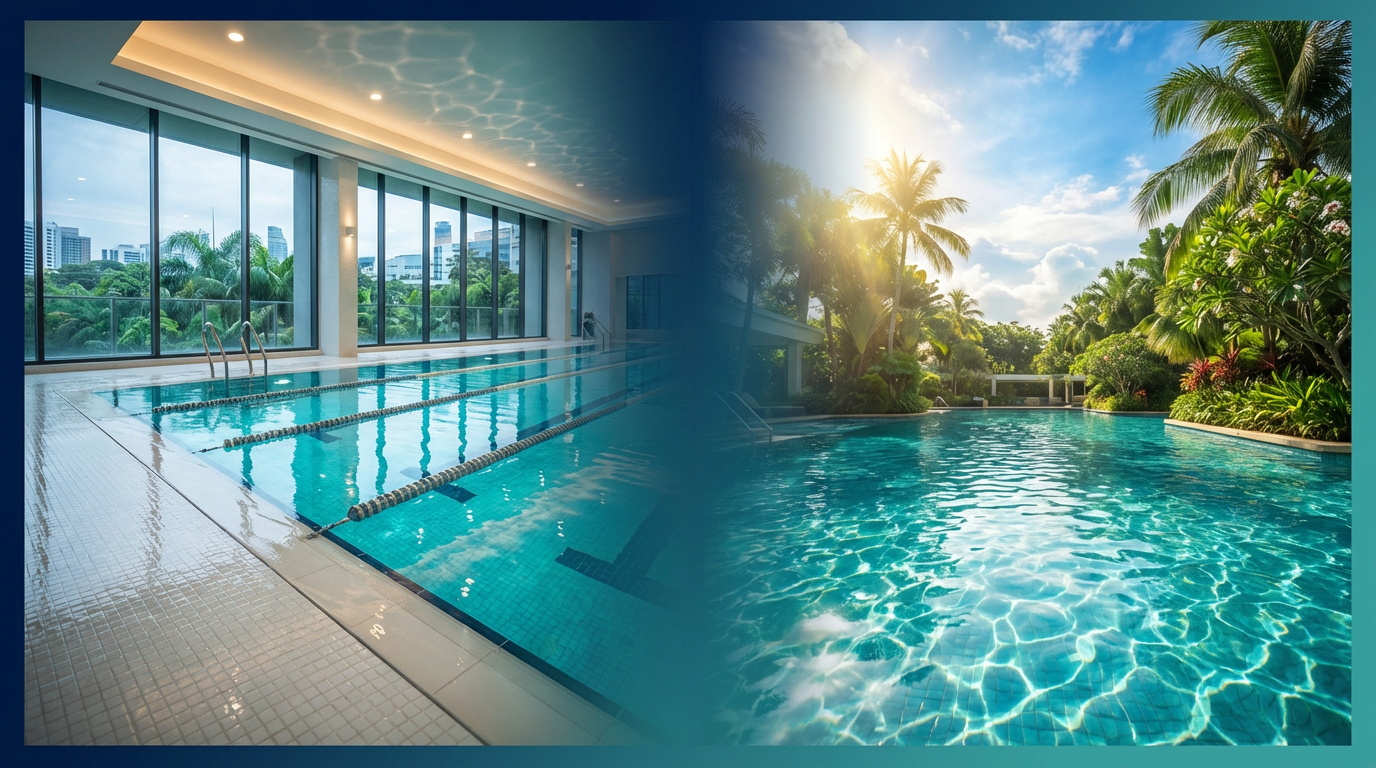
The indoor vs outdoor pool debate in Singapore has no single correct answer — but it does have better answers depending on your circumstances. For families prioritising lesson consistency, UV protection, and structured skill development through programmes like SwimSafer 2.0, indoor and covered facilities offer tangible advantages. For recreational swimmers who value the open-air experience and find joy in natural light and breeze, outdoor pools deliver something that no amount of air conditioning can replicate.
What remains constant, regardless of the pool type, is this: the quality of the environment, coaching, and programme curriculum matters far more than whether there is a roof overhead. Singapore's aquatic community is fortunate to have a wide range of facilities staffed by qualified professionals, and the best investment any swimmer can make is choosing a programme that is built on expertise, safety, and a genuine commitment to long-term development in the water.
With over 25 years of aquatic coaching experience and more than 25,000 students trained across Singapore, SPEEDISWIM offers structured programmes for swimmers of all ages and abilities — from SwimSafer 2.0 beginners to competitive athletes. Our coaches are professionally qualified, our facilities are carefully selected, and our programmes are built around your progress.