Water polo is one of the most demanding and exhilarating sports in the aquatic world. Combining the physical intensity of swimming with the strategic complexity of team sports like basketball and handball, it challenges athletes in ways few other disciplines can match. If you have ever watched a water polo match and wondered how players manage to tread water, pass, shoot, and defend all at the same time, you are not alone — and you are probably curious about how to get involved.
In Singapore, water polo has steadily grown from a niche competitive sport into an exciting pathway for young athletes seeking a full-body challenge in the pool. Whether you are a parent exploring sporting options for your child, a competitive swimmer looking to expand your skills, or simply someone curious about this fascinating sport, this guide covers everything you need to know — from the basic rules to training opportunities right here in Singapore.
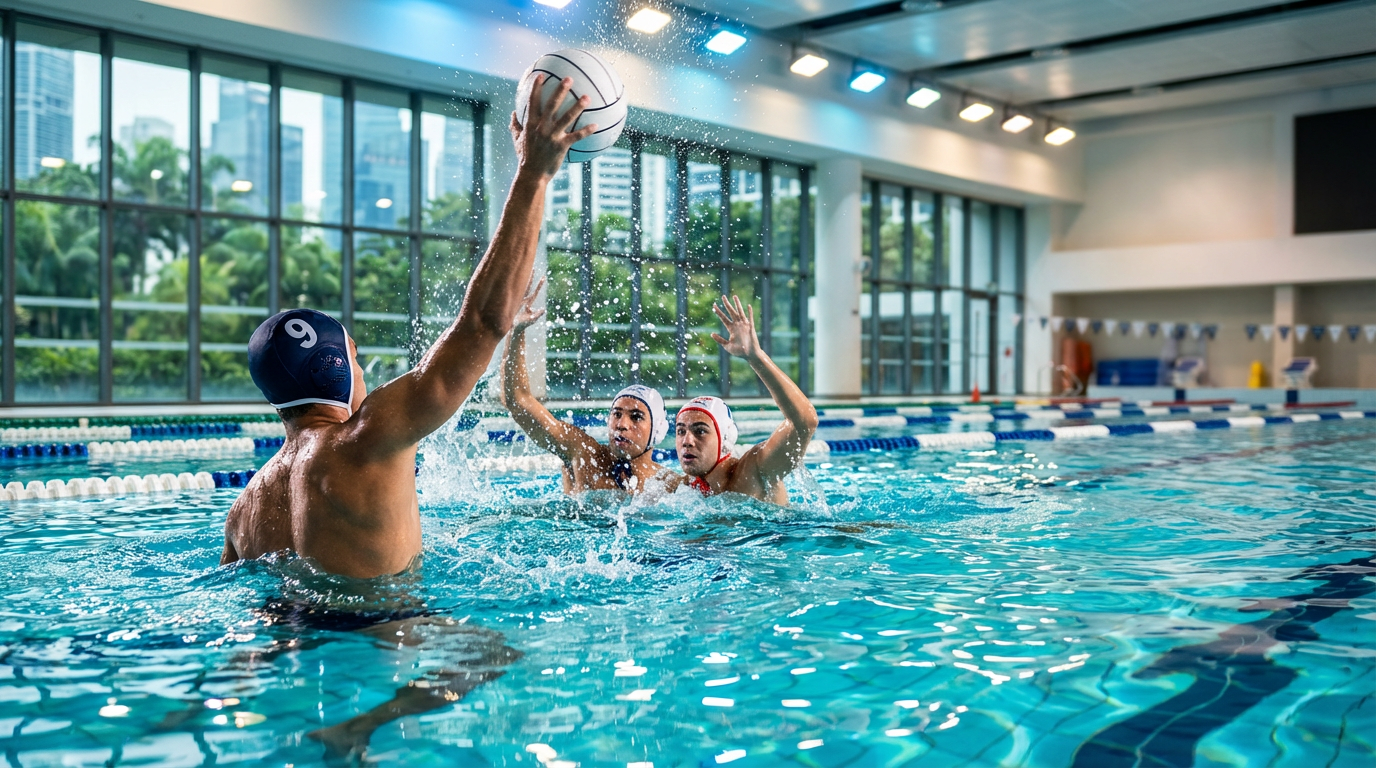
Water polo is a competitive team sport played in a swimming pool, where two teams of seven players each (six field players and one goalkeeper) compete to throw a ball into the opposing team's goal. Matches are divided into four periods, and the team with the most goals at the end wins. What makes water polo unique is that players are not allowed to touch the bottom or sides of the pool during play — meaning they must continuously tread water or swim throughout the entire match.
The sport was first played in Britain in the mid-19th century and became one of the original sports featured at the modern Olympic Games in 1900. Today, it is governed internationally by World Aquatics (formerly FINA) and is played at Olympic, World Championship, and regional levels across the globe. In Southeast Asia, nations like Singapore, Thailand, and the Philippines have been steadily developing competitive water polo programs, with Singapore showing consistent growth at the youth and national levels.
Water polo has a meaningful history in Singapore that many locals may not be fully aware of. The sport has been part of the Singapore school sports ecosystem for decades, with inter-school competitions organised under the auspices of the School Sports Division and the Singapore Swimming Association (SSA). Secondary schools and junior colleges across the island field competitive water polo teams, giving student-athletes an early platform to develop their game.
At the national level, Singapore has participated in regional competitions including the Southeast Asian Games, where water polo has occasionally featured as a competitive event. The sport's growth has also been supported by the growing network of professional aquatic training centres offering structured water polo programs alongside mainstream swimming lessons. For families and young athletes, this means there are now more accessible pathways into the sport than ever before.
Interest in water polo has also benefited from Singapore's broader investment in swimming infrastructure. With numerous public and private pools island-wide, the facilities needed to develop water polo players are widely available — and with the right coaching, talented swimmers can make the transition into competitive water polo relatively smoothly.
For newcomers, water polo can look chaotic at first glance, but the rules are more intuitive than they appear. Here is a quick breakdown of how the game works:
The combination of timed possessions, player exclusions, and positional play makes water polo a deeply tactical sport. Coaches and players spend considerable time studying offensive and defensive formations, making it as mentally stimulating as it is physically demanding.
Water polo delivers a remarkable range of physical and psychological benefits, making it one of the most well-rounded sports a young athlete can pursue. Because players must swim continuously while also passing, shooting, and defending, the sport delivers a full-body workout that few other activities can match.
Cardiovascular fitness is one of the most significant gains. The constant movement in the water, combined with repeated high-intensity bursts of sprinting, keeps the heart rate elevated throughout a match. Studies in sports science consistently rank water polo among the most aerobically demanding of all team sports. Alongside this, players develop exceptional muscular endurance and strength, particularly in the shoulders, core, and legs, which are heavily engaged during eggbeater kicking (the technique used to tread water efficiently).
Beyond the physical, water polo builds teamwork, communication, and strategic thinking. Because players cannot call timeouts at will and must make split-second decisions in a dynamic environment, the sport trains mental agility and composure under pressure. For young athletes, these are life skills that translate well beyond the pool. Water polo also fosters a strong sense of team identity and camaraderie — something parents and coaches consistently highlight as one of the sport's most valuable social benefits.
Water polo is accessible to a wider age range than many people assume. While competitive school-level water polo typically begins from secondary school age (around 13 years old), introductory training programs often welcome children from as young as 8 to 10 years old, provided they have a solid swimming foundation. The key prerequisite is the ability to swim confidently, as players need to be comfortable in deep water before they can safely engage in the sport's physical demands.
For adults, recreational water polo leagues and social play sessions are available at various aquatic centres in Singapore, offering a fun and sociable way to experience the sport without the pressures of competitive training. For those who are new to swimming altogether, building your foundation through a structured program like SwimSafer 2.0 is the ideal first step before progressing toward water polo.
Singapore's SwimSafer 2.0 programme, an initiative developed by the National Water Safety Council in collaboration with Sport Singapore, teaches people of all ages to swim safely and confidently across six progressive stages. First introduced in 2010 and refreshed in 2016-2017, SwimSafer 2.0 emphasises skill development alongside water safety and personal survival education — building exactly the kind of water confidence that forms the foundation for sports like water polo.
Aspiring water polo players need to develop a specific set of technical skills that go beyond general swimming ability. Coaches typically work on these core competencies from the earliest stages of training:
Most beginners find that eggbeater kick and single-handed ball control are the steepest learning curves when first starting out. With consistent coaching and pool time, however, these skills become second nature and form the platform for more advanced tactical development.
Finding quality, structured water polo coaching is essential for any player looking to develop seriously in the sport. Singapore's aquatic training scene has grown significantly over the past two decades, and there are now dedicated programs catering to junior development, competitive training, and recreational play.
At SPEEDISWIM, the Water Polo Program is designed to provide players with a comprehensive, professionally coached training experience. With over 25 years of experience in developing aquatic athletes across disciplines, SPEEDISWIM brings the same rigour and structured approach to water polo that has produced over 50 national-level swimmers and athletes across Singapore's competitive aquatic sports landscape. Training sessions focus on building technical fundamentals, physical conditioning, and tactical team play in a supportive and progressive environment.
When considering training costs, group aquatic training sessions in Singapore typically range from $35 to $55 per session, while private or semi-private coaching commands premium rates of $60 to $120 per session depending on the programme and instructor qualifications. For many families, structured group training offers the best combination of quality coaching and affordability, while also providing the team environment that water polo fundamentally requires.
One of the most compelling reasons for young Singaporean athletes to take water polo seriously is the potential for Direct School Admission (DSA). Singapore's Ministry of Education DSA scheme allows students with exceptional talents in sports, arts, or other domains to gain entry into secondary schools through a talent-based pathway, rather than relying solely on PSLE results.
Water polo is recognised as a DSA talent area in Singapore, meaning that students who demonstrate strong performance in the sport may be eligible to apply for secondary schools with established water polo programs. This opens doors to both academic and sporting development in a structured school environment. SPEEDISWIM has a proven track record of supporting student-athletes through the DSA pathway across multiple aquatic disciplines, helping athletes present their sports portfolios and meet the competitive standards required for selection.
Parents interested in exploring DSA opportunities through water polo should begin structured training as early as possible, ideally by Primary 4 or 5, to allow sufficient time to develop the competition record and skill level that DSA applications typically require.
Water polo is just one of the exciting aquatic disciplines available to swimmers who want to take their pool skills to the next level. Singapore's aquatic sports community is surprisingly diverse, and athletes who develop a strong swimming foundation often find themselves drawn to multiple disciplines.
If you are interested in the team and tactical elements of water polo, you might also find Underwater Hockey to be a fascinating parallel — another team sport played entirely submerged, requiring similar water confidence and teamwork. For those drawn to the grace and athleticism of pool-based performance, Artistic Swimming (formerly synchronised swimming) offers a compelling creative and athletic challenge. And for athletes whose primary goal is competitive speed and performance, SPEEDISWIM's Competitive Swimming program provides the structured training environment to develop elite-level swimmers.
Exploring multiple aquatic disciplines early in a young athlete's development can be highly beneficial. Cross-training across swimming, water polo, and other aquatic sports builds a more complete athlete — improving fitness, water confidence, and the kind of versatile athleticism that serves any sporting pathway well.
Getting started with water polo is simpler than many people expect, provided you follow the right progression. Here is a practical roadmap for beginners:
The most important thing is simply to start. Water polo is a sport that rewards commitment, and the physical and personal growth that comes from training in a team aquatic environment is genuinely transformative for young athletes.
Water polo in Singapore is more than just a niche competitive sport — it is a dynamic, rewarding aquatic discipline that builds exceptional athletes and well-rounded individuals. Whether your goal is fitness, competitive achievement, or exploring the DSA pathway for your child, water polo offers a unique sporting experience that challenges the mind and body in equal measure.
With over 25 years of experience developing aquatic athletes across Singapore, SPEEDISWIM is uniquely positioned to guide you or your child from the first splash in a beginner swimming class all the way through to competitive water polo training. Our team of professionally qualified coaches brings the same passion and structured approach to water polo that has helped more than 25,000 students discover the joy of aquatic sport.
Take the first step toward an incredible aquatic journey. Whether you are new to the pool or a confident swimmer ready to dive into water polo, our team is here to help you find the right program.