When it comes to water safety education in Singapore, SwimSafer 2.0 stands as the nation's gold standard for swimming certification. Developed by the National Water Safety Council in collaboration with Sport Singapore, this comprehensive framework has evolved since its 2010 inception to become more than just a swimming program. It's a carefully structured pathway that takes learners from their first tentative steps into the pool all the way to advanced rescue techniques and competitive swimming readiness.
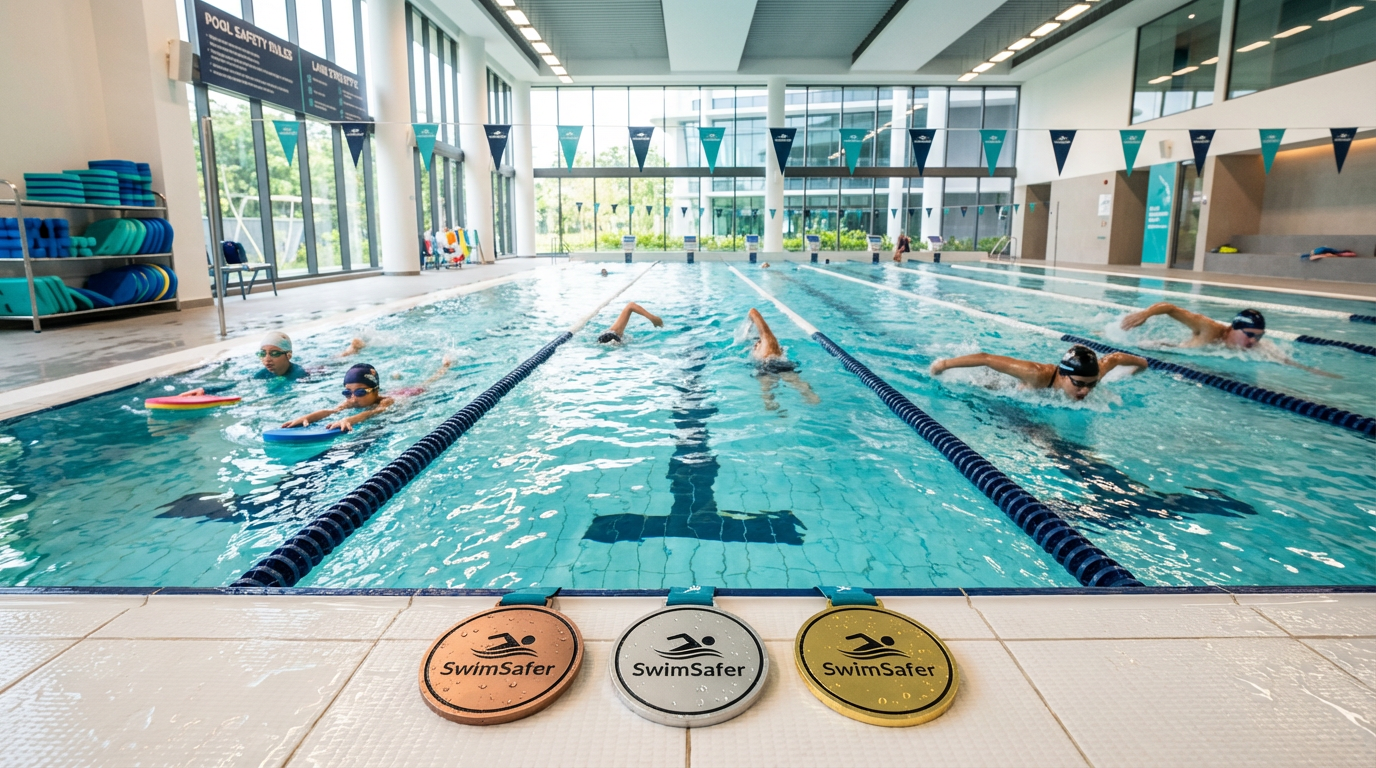
For parents researching swimming lessons in Singapore, understanding the SwimSafer stages—particularly the Bronze (Stage 2), Silver (Stage 3), and Gold (Stage 4) levels—is essential for setting realistic expectations and choosing the right program for your child. Each stage builds systematically on previous skills, combining stroke development with critical water safety knowledge and personal survival techniques. This progression ensures that swimmers don't just learn how to move through water, but develop the competence and confidence to be safe around aquatic environments throughout their lives.
At SPEEDISWIM, we've guided over 25,000 students through SwimSafer certification since 1998, and our coaches have witnessed firsthand how this structured approach transforms nervous beginners into confident, capable swimmers. This guide breaks down each SwimSafer stage in detail, explaining the specific requirements, skill progressions, and what you can expect as your child advances through the program. Whether you're enrolling your child for the first time or looking to understand what lies ahead in their swimming journey, this comprehensive overview will help you navigate the SwimSafer pathway with confidence.
SwimSafer 2.0 represents a significant evolution from the original 2010 program, incorporating feedback from swimming educators, water safety experts, and Sport Singapore to create a more comprehensive certification system. The refreshed version, implemented following a thorough 2016-2017 review, places equal emphasis on three core pillars: swimming technique development, water safety awareness, and personal survival skills. This holistic approach ensures that participants aren't simply learning strokes in isolation but developing a complete understanding of aquatic competency.
The program consists of six progressive stages, each designed to build upon the foundation established in previous levels. What sets SwimSafer 2.0 apart from recreational swimming lessons is its structured assessment framework and nationally recognized certification. Upon completing each stage, swimmers receive official certification that's recognized across Singapore's pools, schools, and aquatic facilities. This standardization means that whether your child learns at SPEEDISWIM or another certified centre, they're working toward the same clearly defined benchmarks of aquatic competence.
The SwimSafer framework caters to learners of all ages and abilities, making it accessible whether you're enrolling a five-year-old for their first lessons or an adult who never learned to swim as a child. The emphasis on safety education alongside technical skill development reflects Singapore's commitment to reducing drowning incidents and creating a water-confident population. With our island nation surrounded by water and featuring numerous public pools, beaches, and water recreation facilities, this comprehensive approach to aquatic education serves both immediate safety needs and long-term recreational benefits.
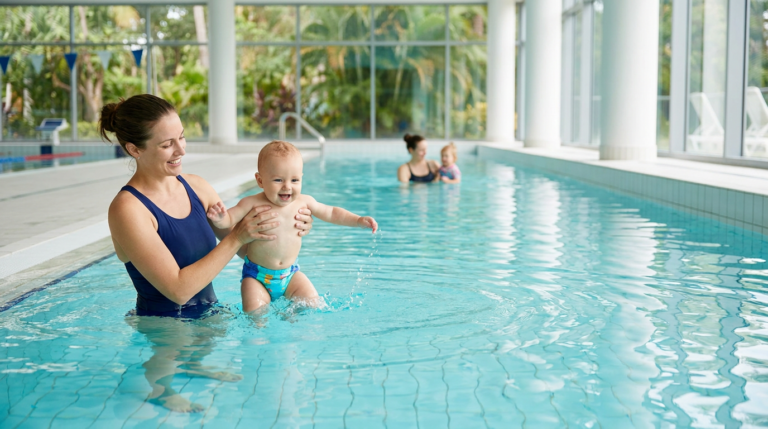
SwimSafer Stage 1 serves as the foundation for all subsequent learning, focusing on water familiarization and overcoming any fear or apprehension about the aquatic environment. At this entry level, swimmers are introduced to basic movement patterns and water confidence activities that prepare them for more advanced techniques. The goal isn't to achieve perfect stroke mechanics but rather to develop comfort and basic control in the water.
Key skill requirements for SwimSafer Stage 1 include:
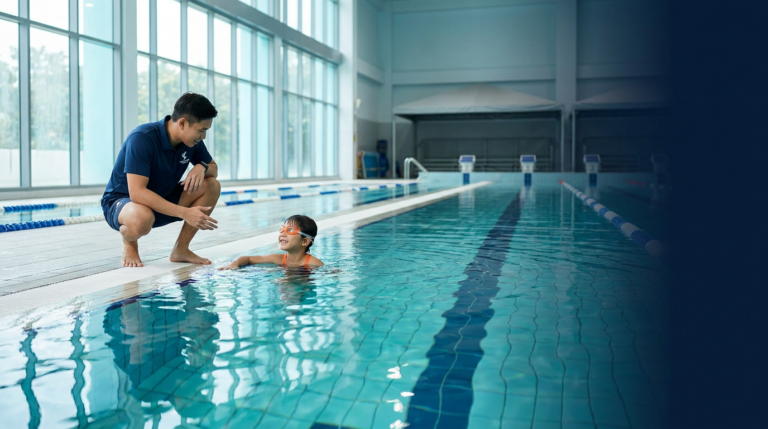
The water safety component at this stage introduces fundamental concepts such as recognizing pool depths, understanding the importance of adult supervision, and identifying safe areas for swimming. These safety lessons are delivered through age-appropriate methods that engage young learners while establishing critical awareness. At SPEEDISWIM, our coaches incorporate play-based learning approaches that make these foundational skills enjoyable, helping children associate the pool with positive experiences rather than anxiety or fear.
Personal survival skills at Stage 1 are basic but essential, including demonstrating how to call for help and understanding the concept of staying calm in the water. These survival fundamentals create a safety-first mindset that carries through all subsequent stages. Most swimmers complete Stage 1 within 12-16 sessions, though progression depends on individual comfort levels and prior water exposure. The assessment is designed to be encouraging rather than intimidating, ensuring swimmers experience success and build confidence for the next stage.
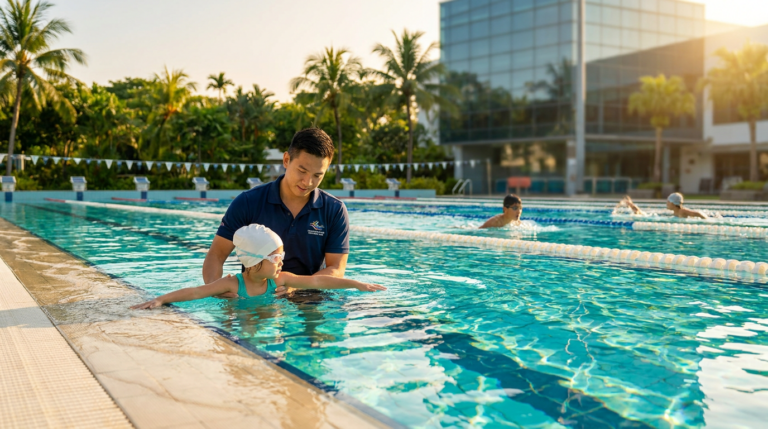
SwimSafer Stage 2, commonly referred to as the Bronze level, marks a significant progression in swimming technique and independence. At this stage, swimmers transition from water familiarization to developing recognizable stroke patterns and increased swimming endurance. The Bronze level introduces proper body positioning and introduces swimmers to the foundational elements of freestyle and backstroke, the two most essential swimming strokes for both safety and recreational swimming.
Technical skill requirements for Bronze level include:
The breathing technique development at Bronze level represents one of the most challenging transitions for many swimmers. Learning to breathe rhythmically while maintaining forward propulsion requires coordination that doesn't come naturally to most beginners. At SPEEDISWIM, our professionally qualified coaches break down this complex skill into manageable progressions, using drills that isolate breathing mechanics before integrating them into full stroke sequences. This methodical approach, refined over our 20+ years of teaching experience, helps swimmers develop sustainable breathing patterns rather than the gasping, head-lifting techniques common among self-taught swimmers.
Water safety education expands considerably at the Bronze level, introducing concepts like identifying different types of aquatic environments, understanding current and wave action, and recognizing potential hazards in various water settings. Swimmers learn about the importance of swimming in designated areas and begin to understand how environmental factors affect water safety. The personal survival component includes demonstrating a survival float for 30 seconds and understanding basic self-rescue concepts, skills that could prove lifesaving in an emergency situation.
Assessment for Bronze level evaluates both technical execution and distance capabilities, ensuring swimmers have developed genuine competency rather than simply completing movements. Swimmers typically spend 15-20 sessions at Bronze level, with group swimming lessons ranging from $35 to $55 per session at most Singapore facilities. The investment in proper instruction at this foundational stage pays dividends in all subsequent levels, as poorly learned techniques become increasingly difficult to correct as swimmers advance.
SwimSafer Stage 3, known as the Silver level, represents the point where swimmers transition from beginners to intermediate competency. At this stage, stroke refinement takes centre stage, with increased emphasis on efficiency, endurance, and introducing the third major competitive stroke: breaststroke. Silver level swimmers are expected to demonstrate significantly improved technique compared to Bronze, with recognizable stroke mechanics that align with competitive swimming fundamentals.
Silver level technical requirements include:
The introduction of breaststroke at Silver level adds complexity to a swimmer's technical repertoire, as this stroke requires precise timing between arm pull, leg kick, and breathing. Unlike the alternating arm and leg patterns of freestyle and backstroke, breaststroke demands simultaneous movements and a distinct glide phase that feels counterintuitive to many swimmers accustomed to continuous propulsion. Our coaches at SPEEDISWIM use video analysis and comparative demonstrations to help Silver level swimmers understand the biomechanics of effective breaststroke, ensuring they develop proper technique from the outset rather than compensating with inefficient movement patterns.
Water safety knowledge becomes more sophisticated at Silver level, incorporating understanding of different swimming pool rules, beach safety protocols, and the dangers of swimming alone. Swimmers learn to identify rip currents, understand the flag warning system used at beaches, and recognize environmental conditions that make swimming unsafe. These knowledge components are assessed alongside physical skills, reinforcing that competent swimming involves cognitive understanding as well as physical ability.
The personal survival skills at this stage include demonstrating Heat Escape Lessening Posture (HELP) and survival floating for 2 minutes, significantly longer than the Bronze requirement. Swimmers also learn to remove clothing in water and use it as a flotation aid, practical survival techniques that acknowledge real-world emergency scenarios. These skills are practiced in controlled environments but have genuine application should a swimmer ever find themselves in an unexpected water situation. Many of our students who progress through Silver level at SPEEDISWIM continue toward our Competitive Swimming program, as they've developed the foundation necessary for squad-based training.
SwimSafer Stage 4, designated as the Gold level, represents advanced recreational swimming competency and serves as the gateway to competitive swimming programs. Swimmers at this level demonstrate refined technique across multiple strokes, increased endurance capabilities, and the ability to maintain stroke efficiency over longer distances. Gold level certification indicates that a swimmer has achieved genuine aquatic proficiency and possesses the skills necessary for safe, independent swimming in various aquatic environments.
Gold level technical requirements include:
The introduction of butterfly stroke at Gold level adds the fourth and most physically demanding competitive stroke to a swimmer's repertoire. Even at the basic 15-meter requirement, butterfly challenges swimmers' core strength, timing, and breathing control in ways that other strokes don't. The distinctive dolphin kick and simultaneous over-water arm recovery require coordination and power that typically take considerable practice to develop. At SPEEDISWIM, we've trained over 1,000 athletes across multiple aquatic disciplines, and our coaching experience with butterfly development informs our progressive approach that builds strength and technique simultaneously rather than overwhelming swimmers with the full stroke complexity immediately.
Distance swimming becomes a central focus at Gold level, with the 100-meter requirements representing double the distance expected at Silver. This increased endurance component separates recreational swimmers from those developing athletic swimming capacity. Maintaining technique over longer distances requires not just physical conditioning but mental focus and pacing awareness. Bilateral breathing, which involves breathing to both sides during freestyle, becomes particularly important at this distance, promoting balanced stroke development and ensuring swimmers don't develop overreliance on a single breathing side.
Water safety education at Gold level encompasses understanding of rescue principles, though swimmers aren't expected to perform rescues themselves at this stage. They learn about reach-and-throw rescue techniques, understanding when to call for professional help, and recognizing distressed swimmers. The emphasis remains on personal safety while developing awareness of how to respond appropriately in emergency situations. Personal survival skills include demonstrating survival backstroke and swimming 25 meters in clothing, practical applications that simulate real-world scenarios where someone might enter water unexpectedly.
For swimmers showing aptitude and interest at Gold level, this stage often marks the transition point toward specialized aquatic programs. At SPEEDISWIM, our Gold-level swimmers frequently progress into our various specialist programs, including Competitive Swimming, Water Polo, or Artistic Swimming, depending on their interests and abilities. Our track record includes over 50 swimmers selected for National Youth and National Teams, many of whom began their journey through the SwimSafer progression before specializing.
SwimSafer Stage 5 shifts focus from stroke development to personal water survival and rescue readiness. While technique refinement continues, this stage emphasizes endurance, survival strategies, and understanding rescue principles more deeply than previous levels. Swimmers completing Stage 5 demonstrate the capacity to handle extended time in water and possess the mental composure necessary for emergency situations.
Stage 5 requirements include:
The 200-meter freestyle requirement represents a significant endurance milestone, requiring swimmers to pace themselves and maintain technique when fatigue sets in. This distance separates those with basic swimming ability from those with genuine swimming fitness. The underwater swimming component develops breath control and streamlined movement, skills applicable to both competitive swimming (particularly turns and starts) and survival situations where surfacing might not be immediately possible or advisable.
Stage 5 water safety education includes understanding of hypothermia, cramp management, and advanced hazard recognition. Swimmers learn survival strategies for different water environments, including open water considerations that extend beyond pool-based swimming. The personal survival component includes demonstrating a survival sequence combining multiple skills, simulating an emergency scenario requiring sustained water competency. For many swimmers, Stage 5 represents the completion of their structured learn-to-swim journey, providing them with comprehensive aquatic competency for lifelong water recreation and safety.
SwimSafer Stage 6 represents the pinnacle of the national certification framework, combining advanced swimming proficiency with rescue readiness and leadership development. This final stage prepares swimmers for lifesaving certification, competitive swimming participation, or roles as junior swimming assistants. The requirements reflect near-competitive swimming standards and comprehensive water safety knowledge.
Stage 6 technical and rescue requirements include:
The 400-meter distance requirement represents genuine swimming endurance, comparable to competitive swimming events. The individual medley component requires proficiency across all four competitive strokes with legal transitions between each, demonstrating comprehensive technical mastery. Sidestroke, often overlooked in recreational swimming, becomes important at this level as it allows swimmers to tow others while maintaining breathing and visibility, an essential rescue swimming technique.
Rescue skill development at Stage 6 includes practical application of techniques learned conceptually in earlier stages. Swimmers practice approaching distressed swimmers, making contact safely, and using various towing techniques. While this doesn't constitute full lifeguard certification, it provides foundational rescue competency that could prove critical in emergency situations. The emphasis remains on safe assistance that doesn't endanger the rescuer, with clear instruction on when to call for professional help rather than attempting direct rescue.
Swimmers completing Stage 6 have achieved comprehensive aquatic competency that serves as a foundation for various pathways. Many continue toward Bronze Medallion and subsequent lifesaving certifications, preparing for potential employment as pool lifeguards. Others transition into competitive swimming programs where their technical foundation and fitness prepare them for squad training. At SPEEDISWIM, we've developed numerous Stage 6 graduates into competitive athletes, with several progressing to represent Singapore in regional and international competitions. Our comprehensive approach extends beyond SwimSafer certification through programs like Underwater Hockey, offering diverse aquatic experiences for advanced swimmers.
Progression through SwimSafer stages varies considerably based on individual factors including age, prior water exposure, natural aptitude, lesson frequency, and quality of instruction. While standardized benchmarks exist, treating SwimSafer as a rigid timeline can create unnecessary pressure and potentially compromise skill development. Understanding typical progression patterns helps set realistic expectations while acknowledging that individual journeys differ.
For most learners attending weekly lessons, each SwimSafer stage requires approximately 12-20 sessions to complete, translating to roughly 3-5 months per stage. This means progressing from complete beginner (Stage 1) to Gold level (Stage 4) typically takes 12-18 months of consistent training. However, swimmers attending lessons twice weekly can potentially progress faster, completing stages in 6-10 weeks, while those with less frequent lessons may require extended timeframes. The quality and structure of instruction significantly impact progression speed, with professional coaching often accelerating development compared to less experienced instructors.
Factors influencing SwimSafer progression include:
At SPEEDISWIM, our experience with over 25,000 students has shown that rushing progression rarely yields positive long-term results. Swimmers who advance before fully consolidating foundational skills often struggle at higher stages, developing compensatory techniques that become increasingly difficult to correct. Our coaches prioritize technical mastery over timeline adherence, ensuring swimmers develop proper mechanics that support continued advancement rather than simply meeting minimum passing standards. This approach, while sometimes requiring additional time at certain stages, produces swimmers with solid technical foundations who progress more smoothly through advanced levels.
The transition points between stages present particular challenges where progression may slow temporarily. The Bronze to Silver transition, which introduces breaststroke and significantly increases endurance requirements, often takes longer than advancement within earlier stages. Similarly, the Silver to Gold progression, which adds butterfly and doubles distance requirements, represents a substantial capability jump that requires dedicated practice. Understanding these natural progression plateaus helps parents maintain realistic expectations and support rather than pressure their children during challenging transitions.
With numerous facilities offering SwimSafer certification in Singapore, selecting the right program involves considering factors beyond just location and pricing. The quality of instruction, coaching qualifications, class structure, and organizational track record significantly impact the learning experience and progression outcomes. Making an informed choice ensures your investment in swimming education delivers genuine skill development and water safety competency.
Swimming lesson pricing in Singapore varies considerably based on several factors. Group swimming lessons typically range from $35 to $55 per session, with variations reflecting factors like instructor qualifications, class size, facility quality, and location. Private or semi-private lessons command premium pricing, generally ranging from $60 to $120 per session, but offer personalized attention that can accelerate learning for some students. When evaluating pricing, consider the value proposition rather than just the cost per lesson. Larger classes at lower prices may seem economical but can result in slower progression if individual attention is limited, ultimately requiring more total sessions to achieve certification.
Key factors to consider when choosing a SwimSafer program:
SPEEDISWIM operates across multiple prestigious venues including international schools and country clubs, providing swimmers access to high-quality facilities that support optimal learning. Our professionally qualified coaches bring not just teaching certifications but practical experience grooming elite athletes. With over 50 swimmers selected for National Youth and National Teams, including SNOC Sportsgirl of the Year 2018 Debbie Soh Li Fei, our track record demonstrates that our coaching expertise extends from foundational SwimSafer instruction through competitive swimming excellence. This comprehensive expertise ensures that swimmers at every level benefit from coaching informed by high-performance swimming knowledge.
As one of the official Non-ActiveSG Pool CAMS (Centralised Assessment Management System) Centres, SPEEDISWIM at Orchid Country Club provides streamlined access to SwimSafer assessment and certification. This official designation ensures that our SwimSafer Program meets all national standards and that certifications are processed efficiently through the centralized system. For families seeking not just swimming lessons but potential pathways into competitive aquatic sports, our diverse program offerings including competitive swimming, water polo, artistic swimming, and even specialized disciplines like underwater hockey provide continuation opportunities that many single-focus swim schools cannot match.
Location convenience matters for long-term commitment, but shouldn't be the sole deciding factor. A slightly longer journey to a high-quality program with experienced coaches often yields better outcomes than convenient lessons with less qualified instructors. Swimming competency develops over months and years of consistent practice, making the quality of that practice more important than minor convenience factors. When evaluating programs, consider visiting facilities, observing lessons in progress, and speaking with coaches about their teaching philosophy and progression approach. The right program will demonstrate clear communication, structured methodology, and genuine commitment to both skill development and water safety education.
Understanding the SwimSafer stages from Bronze through Gold provides essential context for navigating Singapore's national swimming certification framework. Each stage represents a carefully designed progression that builds technical competency, water safety knowledge, and personal survival skills in an integrated manner. From the foundational water familiarization of Stage 1 through the advanced rescue readiness of Stage 6, the SwimSafer 2.0 framework offers a comprehensive pathway that transforms beginners into confident, competent swimmers.
The Bronze, Silver, and Gold designations (Stages 2-4) mark critical milestones in this journey, representing the progression from basic swimming ability through intermediate competency to advanced recreational proficiency. Understanding the specific requirements at each level helps parents set appropriate expectations and recognize the genuine achievement each certification represents. Swimming education is an investment in safety, confidence, and lifelong recreational opportunity, making the choice of program and commitment to quality instruction decisions that yield benefits extending far beyond the pool.
At SPEEDISWIM, our 20+ years of experience guiding swimmers through SwimSafer certification has taught us that successful progression requires more than just regular lessons. It demands qualified coaching, appropriate class structures, quality facilities, and a teaching philosophy that values proper technique development over rushed advancement. Whether your child is taking their first nervous steps into the water or refining strokes at Gold level, the foundation established through comprehensive SwimSafer instruction creates capabilities that serve them throughout their lives, from beach holidays to competitive swimming opportunities and beyond.
With over 20 years of experience and a track record of training 25,000+ students, SPEEDISWIM offers professionally structured SwimSafer programs taught by qualified coaches at premium facilities across Singapore. Whether your child is beginning at Stage 1 or advancing through Bronze, Silver, and Gold levels, our comprehensive approach ensures proper skill development, water safety knowledge, and progression toward swimming excellence.