Choosing the right swimming school in Singapore represents one of the most important decisions you'll make for your child's safety and development. With Singapore being an island nation surrounded by water and blessed with year-round swimming weather, aquatic competency isn't just a recreational skill but an essential life capability that can quite literally save lives.
The swimming education landscape in Singapore has evolved significantly over the past decade, particularly with the introduction of SwimSafer 2.0, the national water safety program that sets standardized benchmarks for aquatic competency. However, with dozens of swim schools operating across the island, each claiming to offer the best instruction, how do you make an informed choice that aligns with your child's needs, learning style, and long-term goals?
This comprehensive guide walks you through everything you need to know about selecting a swim school in Singapore. Whether you're looking for basic water safety lessons for a toddler, structured learn-to-swim programs for school-age children, or pathways to competitive swimming, you'll discover the key factors that distinguish exceptional aquatic education from mediocre instruction. We'll explore certification standards, safety protocols, coaching qualifications, program structures, and the critical questions you should ask before committing to any swimming program.
Singapore's relationship with water makes swimming proficiency particularly crucial. Beyond the recreational aspects of enjoying our numerous pools, water parks, and beach resorts, swimming represents a fundamental safety skill in an island nation. The tragic reality of drowning incidents, particularly among young children, underscores the importance of proper aquatic education from an early age.
Swimming lessons provide far more than just the ability to move through water. Quality aquatic education develops water confidence, teaches critical survival skills, builds cardiovascular fitness, and instills discipline through structured progression. For many children, swimming becomes their first introduction to goal-setting and achievement as they advance through certification levels. The physical benefits are equally impressive: swimming engages virtually every muscle group, improves coordination and flexibility, and provides low-impact exercise suitable for all body types and fitness levels.
Research consistently demonstrates that children who learn to swim early develop better motor skills, stronger problem-solving abilities, and greater self-confidence. The neurological benefits of bilateral movement patterns in swimming contribute to cognitive development, while the social aspects of group lessons foster teamwork and communication skills. For these reasons, swimming education has become a cornerstone of childhood development in Singapore, with many schools incorporating it into their physical education curriculum.
SwimSafer was launched as an initiative by the National Water Safety Council in collaboration with SportsSG (formerly the Singapore Sports Council) in 2010, establishing a unified framework for swimming education across Singapore. Following a comprehensive review in 2016-2017, the program was enhanced and relaunched as SwimSafer 2.0, which now serves as the gold standard for aquatic competency in Singapore.
SwimSafer 2.0 is designed to teach people of all ages and varying abilities to swim and be safe in and around water. Unlike earlier swimming programs that focused primarily on stroke technique, SwimSafer 2.0 emphasizes skill development in conjunction with water safety and personal water survival education. This holistic approach ensures that swimmers not only learn proper swimming techniques but also understand water hazards, rescue principles, and how to respond in emergency situations.
The program consists of six progressive stages, each building upon the previous level's competencies. Swimmers advance from basic water confidence and survival skills in the early stages to advanced stroke refinement and rescue techniques in later stages. When selecting a swim school, verification that they offer SwimSafer 2.0 certified programs ensures your child receives training aligned with national standards and recognized across Singapore's education system. Many schools require SwimSafer certification for swimming activities, making this credential increasingly important beyond just skill development.
Organizations like SPEEDISWIM's SwimSafer Program have aligned their curriculum with these national standards while incorporating over two decades of teaching expertise, providing structured pathways that meet both certification requirements and individual learning needs.
Selecting the right swim school requires careful evaluation across multiple dimensions. While convenient location and competitive pricing certainly matter, the quality of instruction and safety protocols should take priority in your decision-making process. Here are the critical factors to assess during your search.
Safety should be your absolute first consideration when evaluating swimming programs. Begin by examining the physical facilities where lessons will take place. The pool should be well-maintained with clear water, visible lane markings, and appropriate depth indicators. Check whether the facility has certified lifeguards on duty during all lesson times, separate from the instructors themselves, as this provides an additional safety layer.
Beyond the pool itself, investigate the school's safety protocols. Do they have emergency action plans clearly posted? What is their student-to-instructor ratio, particularly for younger or beginner swimmers? Are there protocols for managing children with special needs or medical conditions? Reputable swim schools will readily share their safety procedures and should welcome these questions as signs of engaged, responsible parents.
The surrounding environment matters too. Adequate changing facilities, non-slip surfaces around the pool deck, and proper storage for personal belongings all contribute to a safe learning environment. If lessons take place at multiple venues, ask whether safety standards remain consistent across all locations.
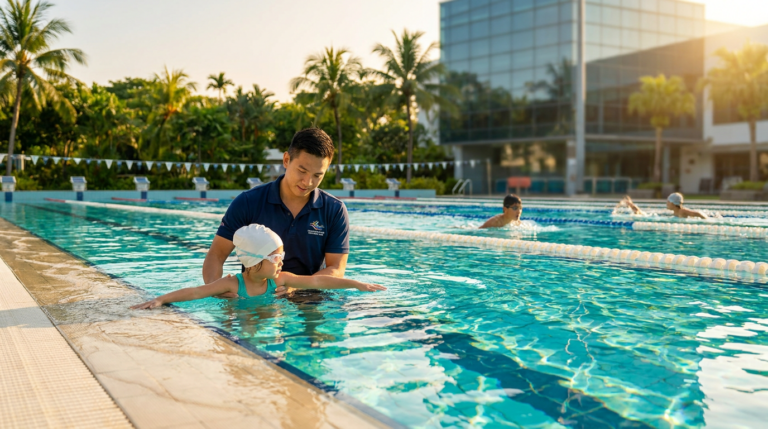
The quality of instruction directly correlates with your child's learning outcomes and safety. When evaluating swim schools, inquire about coach qualifications and training. At minimum, instructors should hold recognized coaching certifications from bodies like the Singapore Swimming Association (SSA) or equivalent international organizations. Equally important are current CPR and first aid certifications, which should be mandatory for all instructors.
However, certifications alone don't guarantee effective teaching. Experience matters tremendously, particularly experience working with your child's specific age group and skill level. An instructor who excels with competitive swimmers may lack the patience and developmental understanding needed for toddlers, and vice versa. Ask about the teaching experience of the specific instructors who will work with your child, not just the school's most senior coaches.
The best swim schools invest in ongoing professional development for their coaching staff. They stay current with evolving teaching methodologies, safety protocols, and child development research. Schools with coaches who have experience across multiple aquatic disciplines often provide richer instruction, as they understand swimming mechanics from various perspectives. For instance, competitive swimming coaches bring technical precision, while water polo or artistic swimming backgrounds contribute unique insights into water manipulation and spatial awareness.
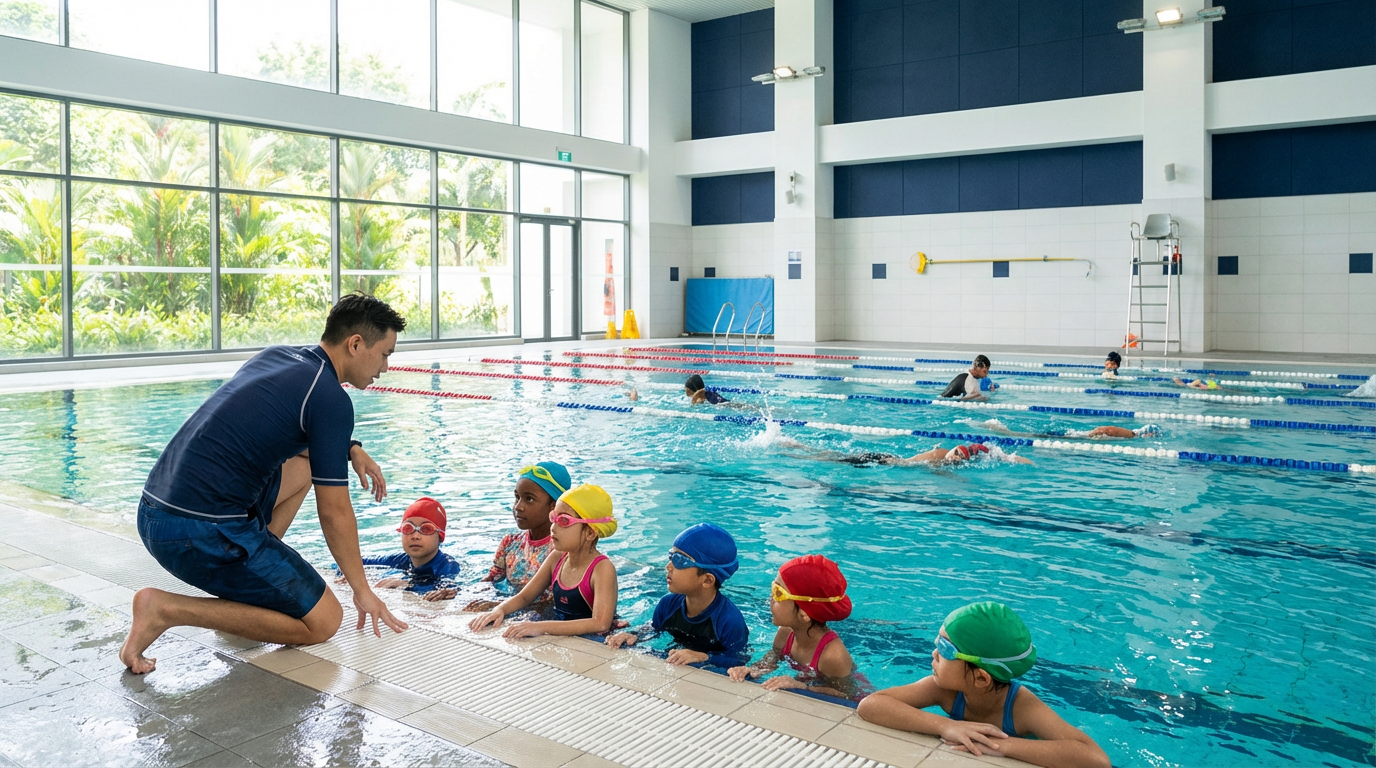
The student-to-instructor ratio fundamentally impacts learning effectiveness and safety. For beginners and young children, smaller class sizes enable more individualized attention, faster skill correction, and reduced safety risks. As a general guideline, beginner classes should maintain ratios no higher than 4-6 students per instructor, while more advanced swimmers can function effectively in slightly larger groups of 6-8 students.
However, numbers alone don't tell the complete story. Consider also the skill homogeneity within each class. A group of six children at genuinely similar skill levels will progress more effectively than a mixed-ability class where the instructor must divide attention between vastly different competency levels. Quality swim schools conduct proper assessments to place students in appropriately leveled groups, even if this means slightly longer wait times for class availability.
Don't hesitate to observe a class before enrolling. Watch how the instructor manages the group, provides feedback, and ensures all students remain engaged and safe. Effective instructors maintain visual contact with all students, provide specific rather than generic feedback, and create an environment where children feel comfortable asking questions or expressing concerns.
A well-designed curriculum provides clear learning objectives, systematic skill progression, and regular assessment opportunities. The curriculum should be transparent, allowing you to understand exactly what skills your child will develop at each level and what competencies they must demonstrate to advance.
Structured programs aligned with SwimSafer 2.0 offer the advantage of nationally recognized benchmarks and standardized assessment criteria. This standardization ensures consistency regardless of which instructor teaches the class and provides portable credentials that transfer between schools and programs. Additionally, structured curricula typically incorporate not just stroke development but also water safety education, survival skills, and age-appropriate understanding of aquatic environments.
Look for programs that balance skill development with enjoyment, particularly for younger children. The curriculum should be appropriately paced, neither rushing students through levels without solid competency nor progressing so slowly that children become bored and disengaged. Regular assessments help track progress, and quality programs provide feedback beyond just pass/fail grades, helping parents understand specific areas of strength and opportunities for improvement.
Singapore's swimming education landscape offers diverse program options catering to different goals, age groups, and skill levels. Understanding these program types helps you select the approach that best aligns with your objectives for your child's aquatic education.
Learn-to-Swim Programs form the foundation of most swimming education. These programs focus on developing basic water confidence, fundamental strokes, and essential safety skills. Typically structured around SwimSafer 2.0 levels or similar frameworks, learn-to-swim programs take students from their first water exposure through to confident, competent swimming across all four competitive strokes.
Competitive Swimming Programs cater to students who demonstrate aptitude and interest in swimming as a sport. These programs emphasize technique refinement, training discipline, race strategies, and physical conditioning. Participation typically requires assessment to ensure students possess the foundational skills necessary for more intensive training. Organizations with established competitive programs, such as SPEEDISWIM's competitive swimming track, provide pathways from club-level competitions through to national-level athlete development.
Specialty Aquatic Programs introduce students to diverse water sports beyond traditional swimming. These might include artistic swimming (formerly synchronized swimming), water polo, diving, underwater hockey, or lifesaving courses. Exposure to multiple aquatic disciplines can enhance overall water competency while helping students discover specific interests and talents. Schools offering multiple disciplines provide valuable opportunities for cross-training, as skills developed in one aquatic sport often transfer beneficially to others.
Adult Swimming Programs recognize that aquatic education isn't limited to children. Many adults in Singapore never learned to swim or wish to improve their technique, and specialized adult programs address the unique psychological and physical considerations of adult learners, from water anxiety management to technique optimization for fitness swimming.
The optimal approach to swimming education varies significantly based on age and developmental stage. Understanding these differences helps set appropriate expectations and choose programs suited to your child's readiness.
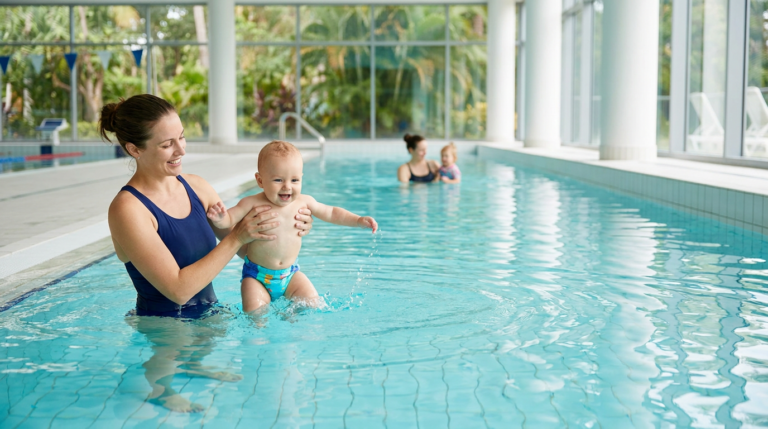
Infant and Toddler Programs (6 months to 3 years) focus primarily on water familiarization and parent-child bonding in aquatic environments. At this stage, formal swimming instruction is less important than developing comfort with water, basic submersion tolerance, and rudimentary safety awareness. Parent participation is typically required, and the emphasis is on playful water exposure rather than structured skill development.
Preschool Programs (3 to 6 years) begin introducing more structured learning while maintaining age-appropriate playfulness. Children in this age range can start developing basic propulsion, floating skills, and water entry techniques. However, attention spans remain limited, so effective programs for this age group incorporate games, songs, and varied activities to maintain engagement while building fundamental competencies.
School-Age Programs (6 to 12 years) represent the prime period for systematic swimming instruction. Children in this age range have the physical coordination, cognitive capacity, and attention span necessary for more technical skill development. This is when most students progress through the SwimSafer levels, develop proficiency in all four competitive strokes, and build the foundation for either recreational swimming competency or competitive pathways.
Teen and Youth Programs (12+ years) cater to adolescents who may be continuing their swimming development or starting later than typical. These programs must account for both the physical capabilities of more mature bodies and the psychological considerations of teens, who may feel self-conscious learning alongside younger children. Dedicated teen programs provide age-appropriate peer groups while accelerating skill development for older beginners.
For children who demonstrate particular aptitude or passion for swimming, understanding the pathway from recreational lessons to competitive swimming helps parents support their development appropriately. Not every child will or should pursue competitive swimming, but for those with interest and ability, a clear developmental pathway makes a significant difference in their athletic progression.
The journey typically begins with solid foundational skills developed through learn-to-swim programs. Once a child has achieved competency across all four strokes and demonstrates strong technique, endurance, and enthusiasm, they may be candidates for pre-competitive or development squads. These bridging programs introduce more structured training, basic competition concepts, and increased training volume while maintaining an emphasis on continued skill refinement.
As swimmers advance, they may progress into formal competitive programs that include regular competition participation, periodized training plans, dry-land conditioning, and sport psychology components. Elite-level programs prepare athletes for national-level competitions, age group championships, and potentially national team selection. Schools with proven track records in athlete development bring invaluable expertise to this progression.
Organizations like SPEEDISWIM, which has trained over 25,000 students and groomed more than 1,000 athletes across multiple aquatic disciplines, provide comprehensive pathways from beginner instruction through elite athlete development. Their track record includes over 50 swimmers selected for National Youth and National Teams, demonstrating the effectiveness of structured, long-term athlete development. They also support student-athletes through Direct School Admission (DSA) talent programs, helping young athletes balance academic and athletic pursuits.
Beyond traditional competitive swimming, talented young swimmers might explore related aquatic sports. Artistic swimming, water polo, and even underwater hockey offer alternative competitive pathways that leverage swimming skills while developing unique athletic competencies.
Swimming lesson pricing in Singapore varies considerably based on multiple factors including location, instructor qualifications, class size, program type, and facility quality. Understanding typical pricing structures helps you budget appropriately while evaluating whether you're receiving fair value for your investment.
Group swimming lessons typically range from $35 to $55 per session, with packages often available at discounted rates for bulk purchases. Private or semi-private lessons command premium pricing, generally ranging from $60 to $120 per session, reflecting the individualized attention and flexible scheduling they provide. Specialty programs, competitive training, and programs at exclusive venues may fall at the higher end of these ranges or exceed them.
When evaluating pricing, consider the total value proposition rather than just the per-session cost. A slightly more expensive program with superior instruction, smaller class sizes, better facilities, and comprehensive curriculum may deliver significantly better outcomes than a budget option with overcrowded classes and less qualified instructors. Calculate the cost per actual instructional minute, factoring in class duration and student-to-instructor ratio, for a more accurate value comparison.
Additional costs to consider include registration fees, assessment fees for SwimSafer certification, equipment requirements, and facility access fees. Some swim schools include all these costs in their program fees, while others charge them separately. Request a complete breakdown of all costs before committing to any program to avoid unexpected expenses.
Value also encompasses factors beyond immediate cost. Schools with established track records, comprehensive progression pathways, and multiple program options may represent better long-term value even if their initial pricing is higher, as they eliminate the need to switch schools as your child's needs evolve.
Practical considerations like location and schedule availability significantly impact the sustainability of your child's swimming education. The most exceptional program becomes impractical if it requires hours of travel time or conflicts with other commitments.
Evaluate the proximity of swim school locations to your home, workplace, or your child's school. Singapore's excellent public transportation makes many locations accessible, but consider realistic travel times during the periods when lessons will occur. Weekend morning traffic differs substantially from weekday evening conditions, and what seems like a manageable commute during off-peak hours may become burdensome during your actual lesson times.
Some swim schools operate across multiple venues, providing flexibility to choose locations most convenient for your schedule. For instance, SPEEDISWIM operates across multiple venues including international schools and country clubs, allowing families to select locations that best fit their logistics. Multi-venue operations can also provide continuity if you relocate within Singapore, as your child can continue with the same program at a different location.
Schedule flexibility encompasses both the variety of time slots available and the school's policies around makeup lessons for missed classes. Life inevitably brings schedule conflicts, illnesses, and unexpected commitments. Schools with generous makeup policies and multiple time slot options provide valuable flexibility, while rigid schedules with no makeup provisions can result in lost lessons and disrupted progression.
Consider also the frequency and duration of lessons. Most programs offer once-weekly lessons, but some provide options for more frequent training, which can accelerate progression particularly for competitive-track swimmers. Lesson duration typically ranges from 30 minutes for very young children to 60 minutes or more for advanced students, with longer sessions providing more repetition opportunities and skill consolidation.
Many swim schools offer trial lessons or observation opportunities, providing invaluable insights before committing to a full program. Approach these trials strategically to gather maximum information for your decision-making process.
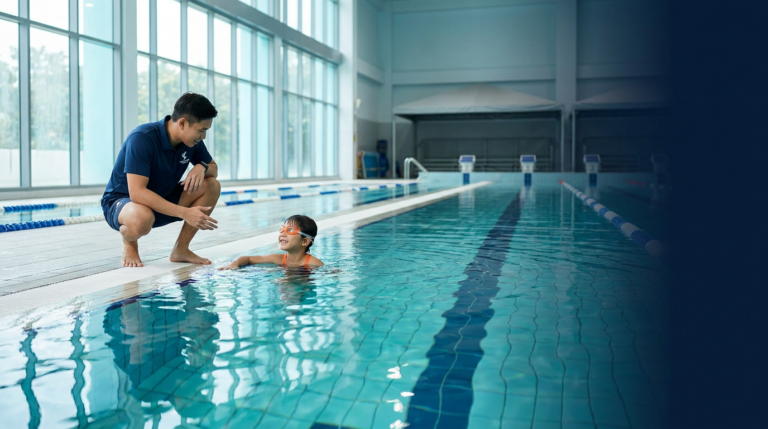
Observe how instructors interact with students beyond just the technical instruction. Do they provide encouragement and positive reinforcement? How do they handle students who are struggling or fearful? The instructor's communication style, patience level, and ability to motivate students matter as much as their technical knowledge, particularly for young children or anxious learners.
Watch the other students in the class. Do they appear engaged and progressing? Are they appropriately grouped by skill level? The performance and satisfaction of current students provides strong indicators of program quality. If possible, speak with other parents about their experiences, satisfaction levels, and whether they've seen meaningful progress in their children's abilities.
Pay attention to organizational aspects like punctuality, class transitions, and communication. Well-run schools start and end classes on time, manage transitions efficiently between groups, and communicate clearly with both students and parents. These operational factors affect your overall experience and indicate the school's professionalism and respect for clients' time.
Don't hesitate to ask questions during or after the trial. Inquire about specific aspects of the curriculum, advancement criteria, safety protocols, or any other concerns that emerged during your observation. The staff's responsiveness and the quality of their answers provide additional data points for your decision.
Finally, trust your instincts and, importantly, your child's response. Technical factors like certification and instructor qualifications matter enormously, but your child's comfort level and enthusiasm also predict their long-term engagement and success. A program that checks all the boxes on paper but doesn't resonate with your child may ultimately prove less effective than one where they feel excited to learn.
Selecting the right swim school in Singapore represents an investment in your child's safety, development, and lifelong relationship with water. By prioritizing safety standards, instructor qualifications, and appropriate curricula aligned with SwimSafer 2.0 standards, you establish a foundation for successful aquatic education. The ideal swim school balances technical excellence with age-appropriate instruction, provides clear progression pathways, and creates an environment where your child feels both challenged and supported.
Remember that swimming education extends beyond just learning strokes. Quality programs develop water safety awareness, build confidence, enhance physical fitness, and potentially open pathways to competitive athletics or lifelong aquatic recreation. The time invested in thoroughly researching and selecting the right swim school pays dividends in your child's competency, safety, and enjoyment of aquatic activities throughout their life.
Whether you're seeking foundational water safety skills for a young child, structured progression through certification levels, or pathways to competitive excellence, Singapore offers exceptional aquatic education options delivered by experienced professionals. The key is matching your child's needs, learning style, and goals with a program that provides appropriate instruction within a safe, supportive environment.
SPEEDISWIM has been Singapore's trusted aquatic education partner for over 20 years, training more than 25,000 students with professionally qualified coaches across multiple convenient locations. Whether your child is taking their first splash or aiming for competitive excellence, our SwimSafer 2.0 certified programs provide the expert instruction and proven progression pathways they need.
Enquire about our programs today and discover how we can help your child develop essential water safety skills, competitive swimming abilities, or explore exciting aquatic sports like artistic swimming, water polo, and more.