For parents of children with Attention Deficit Hyperactivity Disorder (ADHD), finding activities that channel boundless energy while building focus and self-esteem can feel like searching for a needle in a haystack. Yet one activity stands out as uniquely beneficial: swimming. The aquatic environment offers a distinctive combination of sensory input, physical exertion, and structured learning that aligns remarkably well with how ADHD brains function.
Beyond being an essential life skill, swimming provides therapeutic benefits that extend far beyond the pool. The rhythmic nature of strokes, the calming pressure of water, and the clear goal-oriented structure of swim lessons create an ideal environment for children with ADHD to thrive. Research consistently shows that aquatic activities can reduce hyperactivity, improve attention spans, and boost self-confidence in children who struggle with focus and impulse control.
However, not all swimming programs are created equal when it comes to supporting neurodivergent learners. Children with ADHD benefit most from specialized teaching approaches that accommodate their unique learning styles, sensory needs, and attention patterns. With over two decades of experience training more than 25,000 students, including children with diverse learning needs, we understand that the right instructional adaptations can transform swimming from a challenging experience into a source of genuine accomplishment and joy.
This comprehensive guide explores the therapeutic benefits of swimming for children with ADHD and provides evidence-based teaching adaptations that make aquatic learning accessible, engaging, and genuinely beneficial for neurodivergent children.
Attention Deficit Hyperactivity Disorder (ADHD) is a neurodevelopmental condition affecting approximately 5-7% of children worldwide. It manifests through patterns of inattention, hyperactivity, and impulsivity that can significantly impact learning, social interactions, and daily functioning. Children with ADHD often struggle in traditional educational settings that demand prolonged sitting, sustained attention, and delayed gratification.
What many parents and educators don't realize is that children with ADHD aren't simply being difficult or unfocused—their brains are literally wired differently. They have lower levels of dopamine and norepinephrine, neurotransmitters crucial for attention and motivation. This neurochemical difference means that ADHD children often seek stimulation and struggle with activities that don't provide immediate feedback or engagement.
This is where physical activity becomes transformative. Exercise naturally increases dopamine, norepinephrine, and serotonin levels in the brain—essentially providing the same neurochemical boost that ADHD medications aim to achieve, but through natural means. Studies have shown that even a single bout of moderate exercise can improve attention, executive function, and behavioral control for several hours afterward.
Swimming, in particular, offers unique advantages over land-based sports. The aquatic environment provides constant sensory feedback through water resistance and pressure, which helps children with ADHD maintain body awareness and focus. Unlike team sports with complex social dynamics and unpredictable elements, swimming offers clear, repeatable goals and immediate sensory feedback that ADHD brains find inherently rewarding.
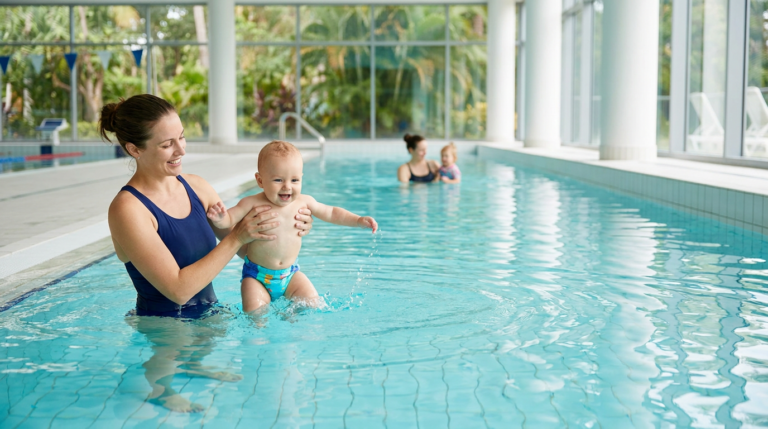
Water provides a unique sensory experience that can be profoundly calming for children with ADHD. The hydrostatic pressure of water creates a gentle, constant pressure on the body similar to the effect of a weighted blanket—a sensation that helps regulate the nervous system and reduce anxiety. Many children with ADHD also experience sensory processing challenges, and the water's consistent, predictable sensory input can help them feel more grounded and present.
The rhythmic nature of swimming further enhances this regulatory effect. Repetitive movements like freestyle strokes or rhythmic breathing create a meditative quality that helps calm overactive minds. Unlike the chaotic sensory environment of many sports (loud gyms, unpredictable balls, crowds), the pool offers a relatively controlled sensory environment where children can focus on their own movements and breathing.
The temperature regulation aspect of swimming also plays a therapeutic role. Cool water can have an alerting effect that helps children with ADHD feel more focused and present, while the physical exertion followed by relaxation helps regulate their overall arousal levels throughout the day. Parents frequently report that their ADHD children are calmer, more focused, and sleep better on days when they swim.
Swimming demands a type of attention that works exceptionally well for ADHD brains. Rather than requiring sustained focus on abstract concepts, swimming provides immediate, concrete feedback. Children instantly feel whether their stroke is efficient, whether they're moving forward effectively, and whether their breathing is working. This immediate cause-and-effect relationship helps maintain engagement in ways that abstract learning tasks cannot.
The bilateral coordination required in swimming—using both sides of the body in coordinated patterns—has been shown to improve executive function and attention. Activities that cross the midline of the body and require coordinated bilateral movements help strengthen the corpus callosum, the bridge between brain hemispheres. This neural integration supports better attention control and impulse regulation.
Moreover, swimming teaches goal-directed persistence in manageable increments. Whether it's swimming one more lap, perfecting a flip turn, or mastering breathing technique, swimming breaks down achievement into clear, attainable goals. This structured progression is ideal for children with ADHD, who often struggle with long-term goals but thrive with immediate, tangible targets. Programs like the SwimSafer Program provide exactly this type of structured, level-based progression that gives ADHD learners clear milestones to work toward.
Children with ADHD often struggle with self-esteem due to repeated experiences of criticism, failure, or feeling different from peers. Swimming offers a powerful antidote through mastery experiences. Each new skill learned, each level passed, and each personal best achieved builds genuine confidence rooted in real accomplishment. Unlike academic settings where ADHD children may consistently struggle, the pool can become a place where they excel and feel capable.
The individual nature of swimming is particularly beneficial for children who find team sports socially overwhelming. While swimming can certainly be done in groups, each swimmer's success is independent of others' performance. There's no pressure about letting the team down or complex social rules to navigate during the activity itself. This reduces social anxiety while still providing opportunities for peer interaction during breaks and lessons.
Additionally, swimming develops emotional regulation skills that transfer beyond the pool. Learning to manage frustration when a skill doesn't come easily, practicing patience during drills, and controlling impulsive behaviors in a structured environment all contribute to broader emotional development. The discipline required in swimming—following safety rules, waiting for turns, listening to instructions—provides structured practice in self-control within a supportive, physically engaging context.
Creating the right learning environment is foundational to successful swimming instruction for children with ADHD. The physical and sensory environment can either support focus or create additional barriers to learning. Based on over 20 years of teaching experience across diverse learners, we've found that environmental modifications make a substantial difference in lesson effectiveness.
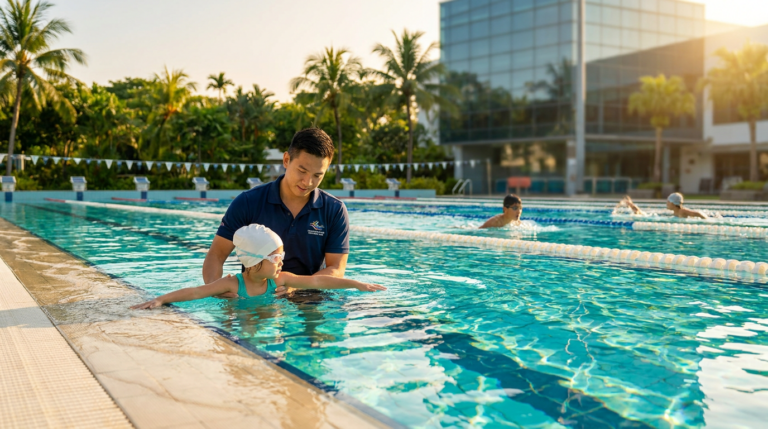
Minimize distractions by choosing pool areas with less visual and auditory stimulation when possible. Corners of pools or designated lanes create clear boundaries that help ADHD learners understand their workspace. Using lane ropes not only provides physical boundaries but also serves as a visual reference point that helps children stay oriented and focused on their designated area.
Visual supports are invaluable for ADHD learners. Consider using underwater visual markers, colorful equipment, or clear hand signals that provide non-verbal cues. Many children with ADHD process visual information more effectively than verbal instructions, especially when they're physically active and less able to focus on listening. Having a visual schedule or picture cards showing the lesson sequence helps children know what to expect and reduces anxiety about transitions.
Consistent structure and routine cannot be overstated. ADHD brains thrive on predictability, even when the individuals seem to resist structure. Starting each lesson with the same warm-up routine, following a predictable sequence of activities, and ending with a consistent cool-down creates a framework that helps children feel secure and able to focus on skill development rather than wondering what comes next.
The way information is delivered makes an enormous difference for ADHD learners. Traditional lengthy verbal explanations followed by extended practice periods rarely work well. Instead, effective instruction for ADHD swimmers incorporates these evidence-based approaches:
Break skills into micro-steps with immediate practice opportunities. Rather than explaining an entire stroke sequence, focus on one element at a time—for example, just the arm entry position for freestyle, practiced for 30 seconds before adding the next component. This chunking approach prevents cognitive overload and provides the immediate action that ADHD brains crave.
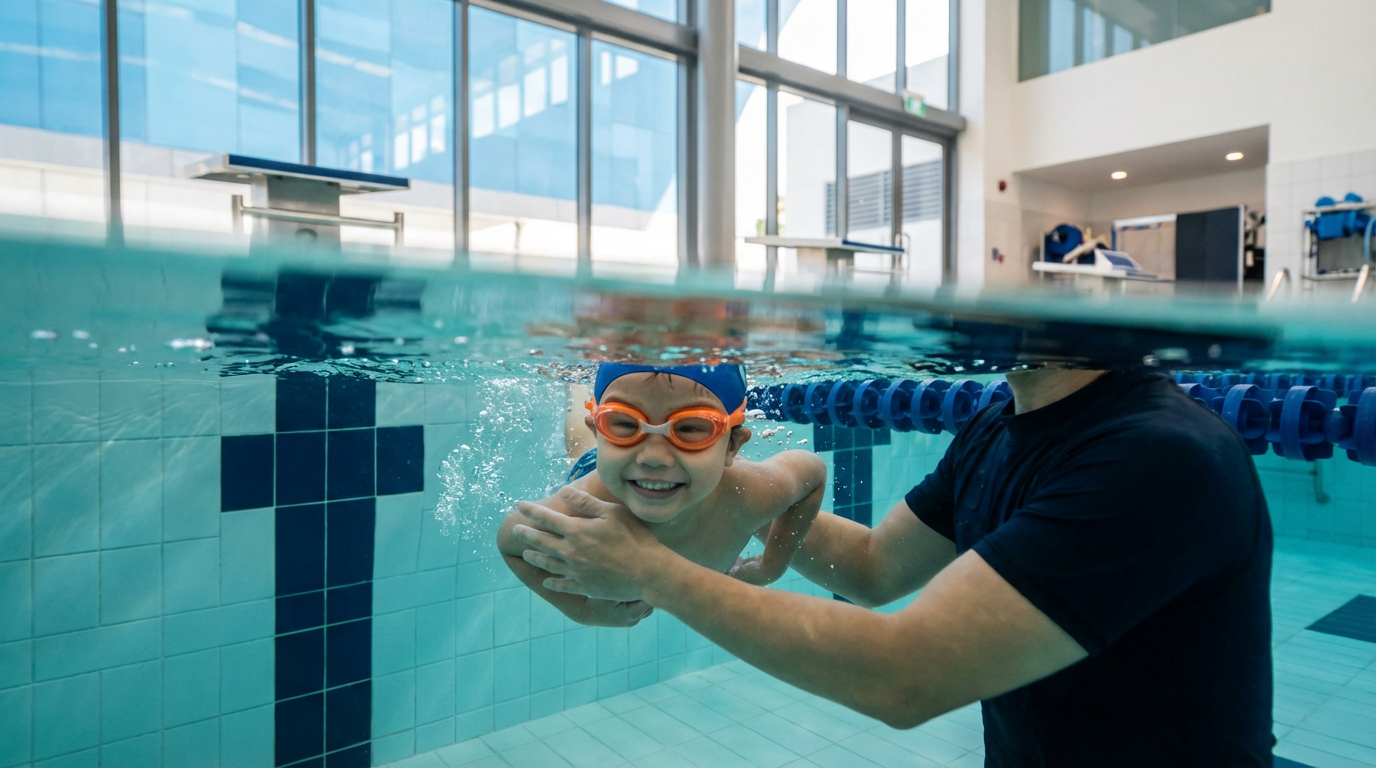
Use multi-sensory instruction that engages multiple pathways simultaneously. Combine verbal instruction with demonstration, physical guidance, and even verbal rehearsal. For instance, when teaching breathing technique, have the child say "turn, breathe, return" while performing the action. This multi-modal approach strengthens neural pathways and helps information stick better than single-mode instruction.
Incorporate frequent movement changes to work with, rather than against, the ADHD need for variety. Design lessons with 3-5 minute activity segments followed by brief transitions to new skills or equipment. This might mean alternating between stroke work, kick drills with a board, underwater skills, and breathing exercises throughout a 30-minute lesson. The variety maintains engagement while still providing sufficient practice for each skill.
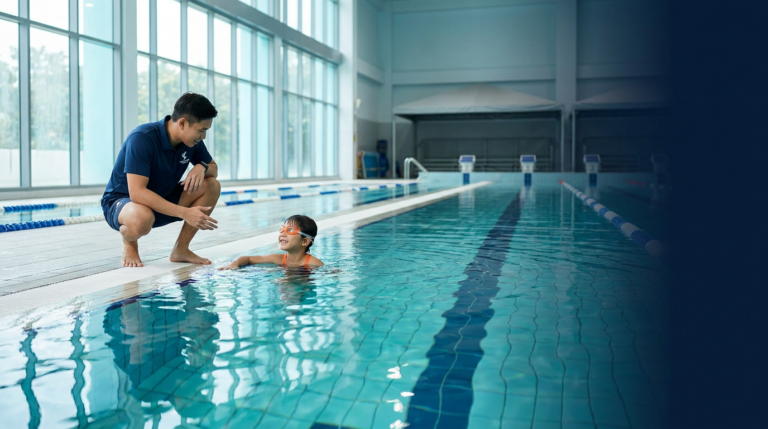
Provide immediate, specific feedback that highlights what the child did correctly. ADHD children often have a negativity bias from years of criticism, so explicitly naming successful actions builds motivation and helps them understand what to repeat. "Your arm entered the water perfectly straight that time!" is far more effective than general praise like "good job."
Managing attention and behavior in the pool requires proactive strategies that anticipate challenges rather than simply reacting to difficulties. Effective behavioral approaches for ADHD swimmers include:
Establish clear, simple rules stated positively. Rather than a long list of don'ts, focus on 3-4 essential expectations stated as what to do: "Stay in your lane," "Listen when coach is talking," "Hands on the wall during instructions." Review these briefly at the start of each lesson using the same consistent language.
Use strategic attention breaks before attention breaks down. Every 10-15 minutes, build in a 30-60 second break where the child can hang on the wall, take some deep breaths, or briefly chat. These planned breaks prevent the impulsive off-task behavior that emerges when ADHD children become mentally fatigued, and they help reset attention for the next learning segment.
Implement token systems or visual progress tracking for motivation. Simple systems like earning a token for completing each drill, which can be exchanged for choosing the final activity, provide the immediate reinforcement that drives ADHD behavior. Progress charts that show skill mastery with stickers or checkmarks make abstract improvement visible and rewarding.
Redirect impulsivity with designated movement outlets. When you notice a child becoming restless, provide a brief, vigorous activity like underwater swimming, fast kicks across the pool, or retrieving dive rings. This channels the impulsive energy productively rather than trying to suppress it, and the physical exertion often resets attention for continued learning.
The effectiveness of swimming for children with ADHD depends significantly on the quality and structure of the instructional program. Not all swimming lessons provide the level of organization, clear progression, and professional instruction that ADHD learners require to succeed. Random, unstructured pool time or programs without clear learning objectives may be enjoyable but won't deliver the therapeutic and skill-development benefits that proper instruction provides.
The SwimSafer 2.0 program, developed by the National Water Safety Council in collaboration with SportsSG, offers an ideal framework for ADHD learners. This nationally recognized program provides clearly defined stages with specific, measurable skills at each level. The progression from SwimSafer Stage 1 through Stage 6 gives children concrete goals to work toward—exactly the type of structured achievement pathway that helps ADHD children stay motivated and engaged.
What makes SwimSafer particularly appropriate for children with ADHD is its emphasis on skill mastery over speed of progression. Children advance when they've genuinely mastered skills, not based on age or time spent in lessons. This competency-based approach reduces pressure and anxiety while ensuring that children develop solid foundations before moving to more complex skills. The clear criteria for each level also provide the concrete feedback that ADHD brains respond to so well.
Beyond learn-to-swim programs, transitioning to competitive swimming can offer additional benefits for older children or those who've mastered basic skills. The structure of training schedules, the immediate feedback of timed swims, and the individual goal-setting inherent in competitive swimming provide exactly the type of engaging, dopamine-rewarding framework that helps ADHD adolescents thrive. With over 1,000 athletes groomed and more than 50 swimmers selected for National Youth and National Teams, properly structured competitive programs can become a cornerstone of ADHD management for dedicated young swimmers.
Alternative aquatic disciplines like water polo or artistic swimming can also appeal to ADHD children who crave more variety or social interaction. These activities combine the therapeutic benefits of being in water with additional dimensions of teamwork, creativity, or strategy that may engage different interests while still providing structure and skill development.
Your role as a parent significantly influences your child's swimming experience and success. Children with ADHD particularly benefit from parental support that's both encouraging and structured. Here are evidence-based strategies to help your child thrive in swimming:
Choose the right program and instructor. Look for programs with smaller class sizes (ideally 4-6 students maximum), structured curricula, and instructors experienced with diverse learners. Don't hesitate to communicate with instructors about your child's ADHD and what strategies work best at home or school. Experienced coaches appreciate this information and can adapt their approach accordingly. Programs operating across multiple venues with professional coaching teams typically have more experience accommodating different learning needs.
Establish consistent routines around swim lessons. ADHD children benefit enormously from predictable patterns. Try to schedule lessons at the same time each week, follow the same pre-lesson routine (snack, bathroom, arrive 10 minutes early), and maintain consistent post-lesson patterns. This external structure helps reduce anxiety and behavioral issues related to transitions.
Manage pre-lesson energy and attention. Avoid high-sugar snacks before lessons, as the energy spike and crash can worsen focus issues. Instead, offer protein-rich snacks and ensure your child is well-hydrated. If your child takes ADHD medication, consider lesson timing relative to when medication is most effective, though always consult your healthcare provider about medication timing around physical activity.
Focus on effort and improvement rather than comparison. ADHD children may progress at different rates than neurotypical peers, and comparison can be devastating to motivation. Celebrate your child's individual progress—the skill they finally mastered, the extra lap they completed, or simply their persistence through a challenging lesson. Take videos periodically so your child can see their own improvement over time, which provides concrete evidence of progress.
Address sensory sensitivities proactively. Some ADHD children have sensory issues with goggles, swim caps, or water temperature. Don't dismiss these concerns as excuses. Instead, work with your child to find solutions—trying different goggle styles, using earplugs if ear sensations are bothersome, or gradually building tolerance to equipment through short practice periods at home. Sensory accommodations aren't "giving in"—they're removing barriers to learning.
Maintain perspective on challenging days. There will be lessons where focus is impossible, behavior is difficult, or your child seems to regress. This is part of ADHD, not a reflection of poor parenting or a failing program. Communicate with instructors about particularly difficult days, and remember that consistency over time matters more than individual lesson performance.
One of the most powerful aspects of swimming for children with ADHD is the opportunity for genuine, earned achievement. In educational settings, ADHD children often experience chronic struggle and frequent negative feedback. The pool can become a different story—a place where their persistence pays off, where their energy is an asset rather than a problem, and where they can experience the pride of real mastery.
The progressive nature of swim skill development creates natural opportunities for recognition and celebration. From the first time a child puts their face in water voluntarily, to their first independent swim across the pool, to eventually passing formal certification levels, each milestone represents genuine accomplishment. These aren't participation trophies—they're skills that required effort, persistence, and courage to achieve.
For children with ADHD who struggle academically or socially, becoming known as "a swimmer" can be identity-transforming. It provides a positive framework for self-concept beyond the ADHD label. Many parents report that their child's swimming achievements create a halo effect, improving self-confidence that carries over into other areas of life. The child who conquered their fear of deep water often approaches other challenges with more courage. The child who persisted through months of lessons to pass a level learns that sustained effort yields results.
Some children with ADHD discover such affinity for swimming that it becomes a cornerstone of their identity and even their academic path. Through programs like DSA (Direct School Admission) talent programs, swimming excellence can open educational opportunities. While not every ADHD child will become a competitive swimmer, knowing that the pathway exists can be motivating—and for those who do pursue it seriously, the structure and physical outlet of regular training can be as therapeutic as any intervention.
The key is maintaining focus on individual growth rather than competitive comparison, especially in the early years. Celebrate your child's unique journey, recognize their specific challenges and victories, and trust that the consistent structure, physical activity, and skill mastery that swimming provides are building not just swimming ability but life skills in persistence, self-regulation, and resilience.
Swimming offers children with ADHD a unique combination of therapeutic benefits and practical life skills that few other activities can match. The sensory regulation provided by water, the immediate feedback of physical movement, the structured progression of skill development, and the opportunities for genuine mastery create an ideal environment for ADHD brains to thrive. When combined with teaching adaptations that accommodate attention differences, sensory needs, and learning styles, swimming becomes not just accessible but genuinely transformative.
The research is clear: regular physical activity, particularly swimming, can significantly improve attention, reduce hyperactivity, enhance emotional regulation, and boost self-esteem in children with ADHD. These benefits extend far beyond the pool, influencing school performance, family relationships, and overall quality of life. For many families, swimming becomes a cornerstone of ADHD management—not a cure, but a powerful tool that helps children regulate their nervous systems, channel their energy productively, and build confidence through progressive achievement.
Success in swimming for ADHD children doesn't happen by accident. It requires structured programming with clear goals, instructors who understand neurodivergent learners, appropriate environmental modifications, and parental support that emphasizes individual progress over comparison. With over 25,000 students taught across two decades, including countless children with diverse learning needs, we understand that every child's path through swimming is unique—and that the right support makes all the difference.
If you're a parent of a child with ADHD, consider giving swimming a try. Look for programs with professional instruction, structured curricula like SwimSafer 2.0, and a track record of supporting diverse learners. Be patient with the process, celebrate small victories, and trust that the combination of physical activity, skill mastery, and the therapeutic properties of water can help your child not just learn to swim, but discover a source of confidence, capability, and joy.
Our professionally qualified coaches have over 20 years of experience teaching children with diverse learning needs. With structured SwimSafer 2.0 programming and small class sizes, we create a supportive environment where every child can succeed.