As a parent in Singapore, you've likely heard countless reminders about the importance of swimming lessons. With our island nation surrounded by water, numerous public pools, and a strong aquatic sports culture, swimming isn't just another extracurricular activity. It's an essential life skill that could one day save your child's life.
Yet choosing the right swimming program can feel overwhelming. Should your toddler start at two or wait until four? What exactly is SwimSafer 2.0, and why does it matter? How much should you expect to pay, and what differentiates a quality program from an average one? These are questions every concerned parent asks when beginning their child's swimming journey.
This comprehensive guide walks you through everything you need to know about swimming lessons for kids in Singapore. From understanding national certification frameworks to preparing for that nerve-wracking first lesson, you'll gain the knowledge needed to make informed decisions about your child's aquatic education. Whether your goal is basic water safety or nurturing a future competitive swimmer, this guide provides the roadmap to get there.
Singapore's relationship with water makes swimming proficiency particularly crucial. Our tropical climate means year-round pool access at condominiums, country clubs, and public facilities. Family vacations often involve beaches and water sports. Yet according to Singapore Civil Defence Force statistics, drowning remains one of the leading causes of accidental death among young children.
Beyond safety, swimming offers remarkable developmental benefits. The activity builds cardiovascular fitness, strengthens muscles, and improves coordination in ways few other sports can match. Because water supports body weight, swimming is low-impact and suitable for children of all body types and fitness levels. Many parents also notice improved confidence in children who master swimming skills, as conquering water fear translates to increased self-assurance in other areas.
Swimming also serves as a gateway to numerous aquatic sports and activities. Children who develop strong foundational skills may later explore competitive swimming, artistic swimming, water polo, or diving. These pathways not only promote lifelong fitness but can open doors to scholarships and Direct School Admission (DSA) opportunities at top Singapore schools.
The question of when to start swimming lessons doesn't have a one-size-fits-all answer, but understanding developmental readiness helps parents make informed choices. Most aquatic experts recommend introducing children to water from as early as six months through parent-child water familiarization classes, though formal instruction typically begins later.
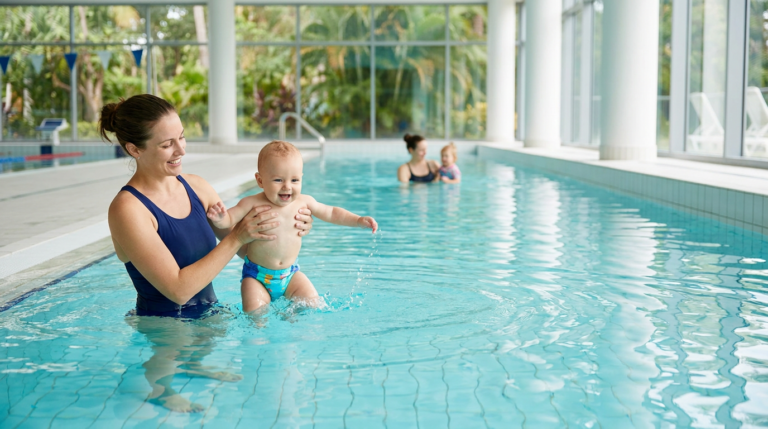
Infants (6-18 months): At this stage, the focus is exclusively on water familiarization and comfort, not actual swimming instruction. Parent-and-child classes introduce babies to water temperature, sensation, and basic movements through play and bonding activities. These early experiences help prevent water fear from developing.
Toddlers (18 months-3 years): Children in this age group can begin learning basic water orientation skills such as blowing bubbles, floating with assistance, and simple kicking movements. Attention spans remain short, so effective programs use songs, games, and toys to maintain engagement while building fundamental comfort in water.
Preschoolers (3-5 years): This represents the optimal window for beginning structured swimming lessons for most children. By age three or four, kids typically possess the physical coordination, cognitive understanding, and attention span needed to follow instructions and practice specific techniques. Many programs, including SwimSafer 2.0, begin formal skill progression at this stage.
School-Age Children (6+ years): Children who start swimming at this age often progress more quickly than younger learners due to better physical coordination and focus. They can grasp complex techniques faster and may feel motivated by peer comparisons or the desire to participate in school swimming programs.
Individual readiness matters more than chronological age. A confident three-year-old may thrive in lessons while a fearful five-year-old might need additional preparation. Consider your child's comfort around water, ability to follow instructions, and physical development when deciding on timing.
SwimSafer 2.0 represents Singapore's national water safety and swimming proficiency program, developed by the National Water Safety Council in collaboration with Sport Singapore. Initially launched in 2010 and refreshed in 2016-2017, this evidence-based framework has become the gold standard for swimming education across the island.
Unlike older swimming programs that focused primarily on stroke technique, SwimSafer 2.0 takes a holistic approach. The program emphasizes skill development in conjunction with water safety and personal survival education. This means your child doesn't just learn to swim laps beautifully but also develops critical safety awareness and rescue skills that could save their life or someone else's.
The program consists of six progressive stages, each building on previous skills while introducing new techniques and safety concepts:
Stage 1 (Water Familiarization): Children develop basic water confidence through activities like submerging, floating, and movement in shallow water. Safety topics include recognizing pool rules and understanding basic water hazards.
Stage 2 (Foundation Skills): Learners practice fundamental swimming movements including streamlining, kicking techniques, and basic arm strokes. They also learn to enter and exit water safely and understand deeper water dangers.
Stage 3 (Stroke Development): This stage introduces proper freestyle and backstroke techniques over 25 meters. Personal survival skills include treading water, surface dives, and understanding rip currents and safe versus unsafe swimming locations.
Stage 4 (Stroke Refinement): Students refine freestyle and backstroke while learning breaststroke fundamentals. Survival skills advance to include clothed swimming and continued treading water proficiency.
Stage 5 (Proficiency): Learners demonstrate all four competitive strokes (freestyle, backstroke, breaststroke, and butterfly) over 50 meters with correct technique. Advanced rescue skills and deep-water confidence are emphasized.
Stage 6 (Advanced Skills): The final stage focuses on swimming efficiency, survival swimming over extended periods, and rescue techniques including CPR awareness. Graduates possess comprehensive swimming and water safety competence.
Progression through SwimSafer stages isn't time-based but skill-based. Some children advance through one or even two stages in a term, while others may need additional time at a particular level. This individualized approach ensures genuine competency rather than mere participation.
With numerous swimming schools operating across Singapore, selecting the right program requires careful consideration of several factors. The cheapest option rarely proves the best investment when it comes to your child's safety and skill development.
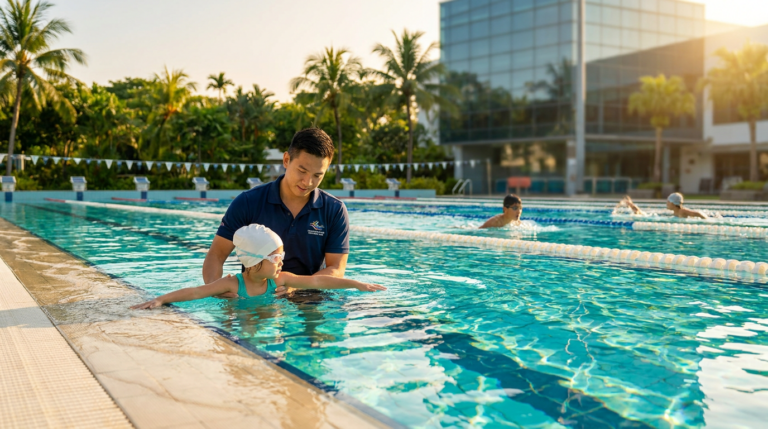
Quality instruction makes the difference between a child who merely tolerates water and one who develops genuine proficiency and love for swimming. Look for programs staffed by coaches holding recognized certifications from organizations like the Singapore Swimming Coaches Association (SSCA) or Singapore Sports School. Experienced instructors understand child development, can identify and correct technique flaws early, and know how to motivate reluctant learners.
At established centers like SPEEDISWIM, which has operated since 1998 and trained over 25,000 students, you'll find professionally qualified coaches with extensive experience across all age groups and skill levels. This depth of expertise proves particularly valuable for children who face specific challenges like water fear or coordination difficulties.
Ensure the program follows SwimSafer 2.0 certification standards. This alignment guarantees your child receives comprehensive water safety education alongside swimming technique. Programs that offer SwimSafer assessment also provide recognized credentials that schools and sports programs may require for participation in water-based activities.
Smaller class sizes allow for more individualized attention and faster skill progression. For beginners and young children, look for ratios no greater than 4-6 students per instructor. As children advance to higher SwimSafer stages and demonstrate independence, slightly larger groups may be appropriate. Private or semi-private lessons offer maximum personalization but come at premium pricing.
Consider pool cleanliness, temperature regulation, and overall facility maintenance. Some children learn better in smaller teaching pools with warmer water, while others do fine in standard pools. Location matters significantly for maintaining consistency; a program requiring an hour's drive each way becomes difficult to sustain long-term, potentially disrupting your child's progression.
If you envision swimming becoming more than just a safety skill for your child, investigate the program's advanced offerings. Centers that provide pathways from beginner lessons through competitive swimming, artistic swimming, water polo, or other aquatic disciplines allow your child to continue developing without switching providers as interests evolve.
Swimming programs in Singapore typically offer several lesson formats, each with distinct advantages depending on your child's needs, learning style, and your family's budget.
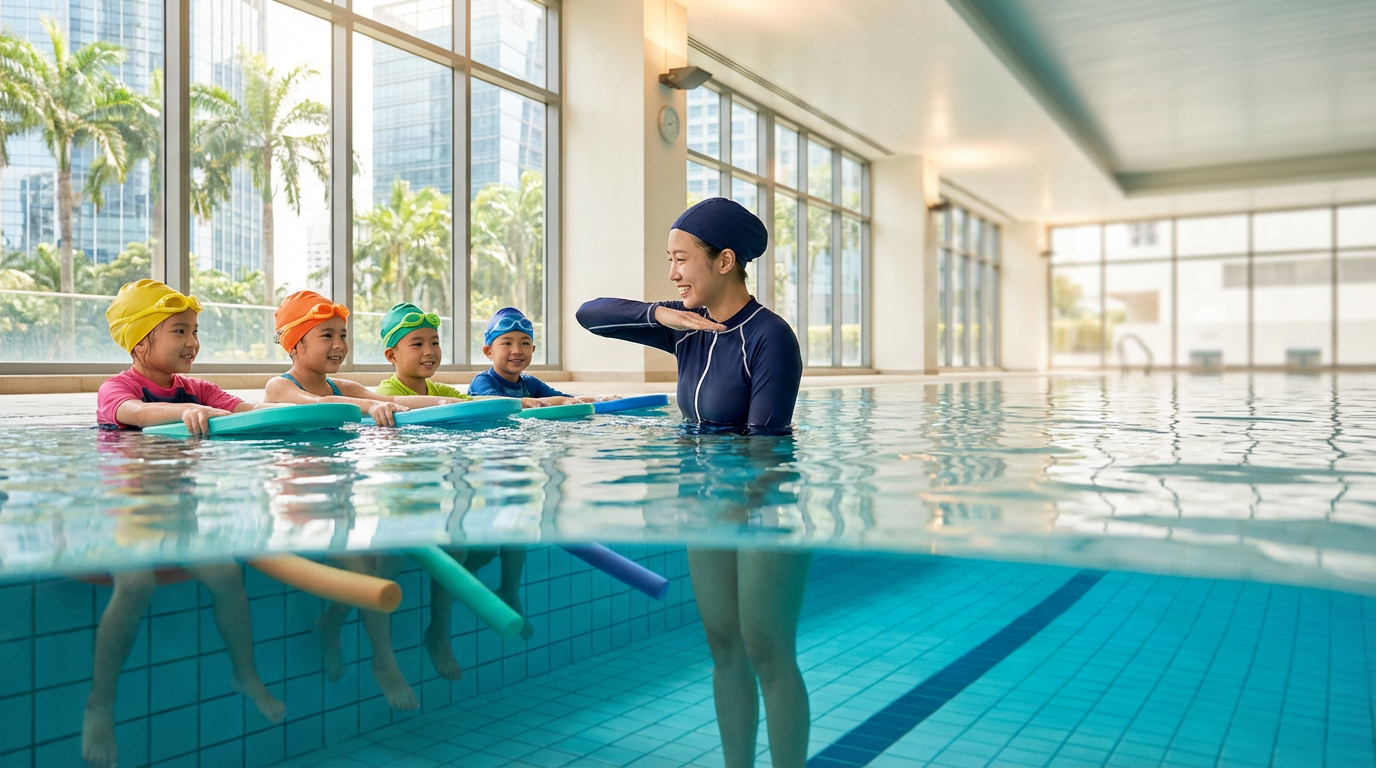
Group lessons remain the most popular and cost-effective option for most families. Classes typically include 4-8 students of similar age and ability levels. This format offers excellent value while providing social interaction that many children find motivating. Seeing peers attempt new skills often encourages reluctant swimmers to try things they might resist in one-on-one settings. Group lessons also help children develop comfort performing skills with others around, which better mimics real-world swimming situations.
Semi-private instruction involves two to three students sharing a coach. This format strikes a balance between the affordability of group classes and the attention of private instruction. It works particularly well for siblings close in age or friends at similar skill levels who want to learn together. The shared experience can make nervous children feel more comfortable while still allowing substantial individual coaching.
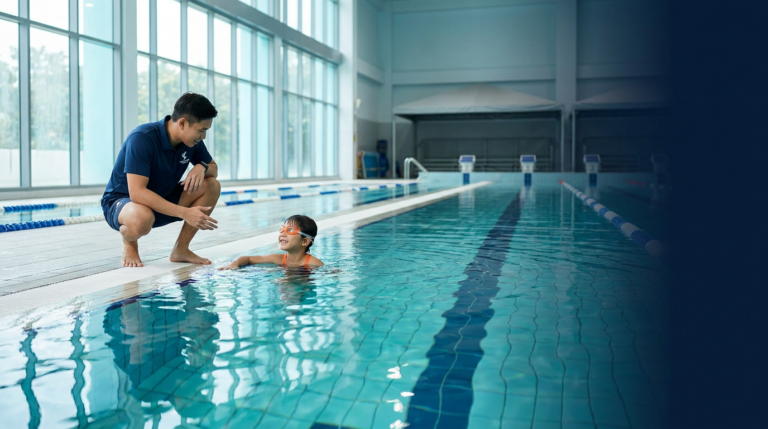
One-on-one instruction provides maximum personalization and fastest skill progression. Private lessons suit children with significant water fear, those needing to catch up quickly for school requirements, or swimmers working on specific competitive techniques. The undivided attention allows instructors to tailor every moment to the individual child's needs, addressing weaknesses immediately and advancing rapidly through strengths. However, this format represents the highest investment per session.
Some families opt for intensive holiday programs where children attend lessons daily or several times weekly for short periods. These concentrated programs can accelerate learning through frequent repetition and muscle memory development. Regular weekly lessons, while slower in total progression, often provide better long-term retention and fit more easily into busy family schedules. Many successful swimmers combine both approaches, maintaining weekly lessons year-round while adding intensive programs during school holidays for skill boosts.
Understanding the investment required for quality swimming lessons helps families budget appropriately and compare value across different providers. Pricing in Singapore varies considerably based on lesson format, location, instructor qualifications, and program reputation.
Group swimming lessons typically range from $35 to $55 per session at most reputable swim schools. This per-session cost usually applies to classes lasting 45 minutes to one hour. Programs at premium locations like international schools or exclusive country clubs may command the higher end of this range, while community center programs might offer slightly lower rates.
Private or semi-private lessons command premium pricing, generally ranging from $60 to $120 per session. The wide range reflects factors including instructor experience level, lesson duration, and location. A newly certified coach teaching at a community pool sits at the lower end, while a nationally recognized coach with decades of experience and proven competitive swimmer development might charge premium rates.
Beyond per-session fees, budget for equipment and assessment costs. Most programs require children to have their own swimwear, goggles, and swim cap, representing a modest one-time investment of $30-60. As children progress to advanced stages, they may need additional equipment like kickboards or fins for specific training, though many schools provide these during lessons.
SwimSafer certification assessments typically incur separate fees ranging from $25-50 per test, depending on the stage and whether the school serves as an official assessment center. Some premium programs include one assessment attempt in their term fees, while others charge separately for all testing.
The cheapest program rarely delivers the best value when considering your child's safety and skill development. A school charging $40 per session with certified instructors, small class sizes, and comprehensive curriculum provides far better value than one charging $30 with overcrowded classes and minimal safety education. Consider the total investment over time: quality instruction that progresses your child efficiently through skill stages may actually cost less in the long run than bargain programs requiring more sessions to achieve the same results.
The days and weeks leading up to your child's first swimming lesson set the tone for their entire aquatic journey. Thoughtful preparation can transform anxiety into excitement and establish positive associations with swimming.
If your child seems nervous about swimming lessons, create positive water experiences at home during bath time. Encourage them to practice getting their face wet, blowing bubbles in the water, and playing with cups to pour water over their body. These simple activities normalize water contact and build confidence before formal lessons begin. Many swim schools recommend bath time practice as homework between lessons, so establishing this routine early proves beneficial.
Talk enthusiastically about swimming lessons without creating pressure about performance. Frame lessons as fun learning time rather than tests they must pass. Share your own positive swimming memories or watch age-appropriate videos of children enjoying pool time. Acknowledge if your child feels nervous and normalize these feelings: "It's okay to feel a little nervous about new things. Your teacher will help you feel safe and you'll learn at your own speed."
Avoid making deals like "If you cry, we'll leave" or bargaining with rewards for participation. These approaches inadvertently communicate that lessons are something to endure rather than enjoy. Instead, focus on the exciting aspects: new friends to meet, fun games they'll play, and cool skills they'll learn.
Ensure you have all necessary equipment before the first lesson to avoid last-minute stress. Take your child shopping for their swimsuit and goggles, allowing them to choose designs they love. This involvement creates ownership and excitement. Practice putting on goggles at home and adjusting them for a comfortable, leak-free fit.
Plan to arrive 10-15 minutes early for the first lesson, allowing time to locate the facility, use the restroom, and settle in without rushing. A calm, unhurried arrival prevents anxiety that comes from feeling rushed or lost. Bring a towel, change of clothes, and perhaps a small snack for after the lesson when your child may feel hungry from the physical activity.
Swimming lessons provide crucial water safety skills, but comprehensive water safety requires parental vigilance and education that extends beyond the pool environment. Understanding and implementing safety principles at home and during recreational activities prevents tragic accidents.
Active supervision means undivided attention on children in or near water. Many drowning incidents occur when parents are present but distracted by phones, conversations, or other activities. When your child swims, whether during lessons, at home, or on vacation, assign a designated "water watcher" who maintains constant visual contact. This role should rotate among adults if multiple supervision periods are needed, with clear handoffs so everyone knows who's responsible at any given moment.
Never assume swimming ability equals water safety. Even children who've completed advanced SwimSafer stages require supervision appropriate to their age and the environment. A strong pool swimmer may struggle in ocean currents or unfamiliar settings. Maintain supervision until children demonstrate consistent judgment and physical capability across various water environments.
For families with home or condominium pool access, implement multiple layers of protection. Pool barriers, including four-sided fencing with self-closing, self-latching gates, provide essential protection for young children. Pool alarms that detect surface disturbances offer additional warning systems, though they should supplement, not replace, barriers and supervision.
Establish and enforce clear pool rules: no swimming without adult permission and supervision, no running on pool decks, no diving in shallow water, and no rough play that could lead to injuries. Consistency in enforcing these rules helps children internalize safety behaviors.
Swimming competency in pools doesn't automatically translate to ocean or open water safety. Teach children to swim only in designated areas with lifeguard supervision, to never swim alone, and to recognize warning flags and signs. Discuss specific hazards like rip currents, sudden depth changes, and marine life. Even strong swimmers should wear appropriate flotation devices during boat trips or when participating in water sports until they have substantial experience and maturity.
Many children who begin swimming lessons for water safety discover a genuine passion for aquatic sports. Understanding the progression pathway from beginner to competitive athlete helps parents support children's evolving interests while maintaining realistic expectations.
Not every child who enjoys swimming possesses competitive potential or interest, and that's perfectly fine. Swimming as a recreational skill and fitness activity provides lifelong value. However, certain signs may indicate readiness and aptitude for competitive swimming: consistent enthusiasm for lessons even when tired, rapid skill progression, strong work ethic during practice, and natural feel for the water demonstrated by efficient movement and technique.
Coaches at established programs can identify competitive potential and provide guidance on appropriate next steps. Organizations like SPEEDISWIM, which has groomed over 1,000 athletes and placed more than 50 swimmers on National Youth and National Teams, possess the expertise to recognize talent and provide development pathways suited to each child's abilities and goals.
The transition from recreational lessons to competitive swimming programs typically occurs after children complete SwimSafer Stage 4 or 5, demonstrating proficiency in all four competitive strokes. Competitive programs require greater time commitment, with training sessions multiple times weekly and weekend competitions during competition season.
Before committing to competitive swimming, have honest family discussions about time and financial investments. Competitive programs involve higher costs than recreational lessons, plus expenses for competition fees, travel, and specialized equipment. Time commitments affect not just the swimmer but the entire family, particularly when balancing training with academic responsibilities.
Competitive lap swimming isn't the only avenue for athletically inclined swimmers. Children with artistic inclinations might thrive in artistic swimming (formerly synchronized swimming), which combines swimming, dance, and gymnastics. Team-oriented children often excel in water polo, which develops swimming skills alongside strategic thinking and teamwork. Other options include diving, lifesaving sport, or underwater hockey.
Exploring different aquatic disciplines allows children to find their passion while continuing skill development. Many successful athletes compete in multiple aquatic sports during their youth before specializing in later years. This multi-sport approach often produces more well-rounded athletes with diverse skills and reduced burnout risk.
Strong swimming ability and competitive achievement can open educational opportunities through Direct School Admission (DSA) programs at top Singapore schools. Many secondary schools actively recruit talented swimmers for their swim teams, offering admission based on sporting ability rather than solely academic performance. For families with athletic children, swimming proficiency becomes not just a life skill but potentially a pathway to excellent educational opportunities.
Centers with proven track records in developing competitive swimmers, such as SPEEDISWIM's success with athletes like SNOC Sportsgirl of the Year 2018 Debbie Soh Li Fei, can provide valuable guidance and support through the DSA application process. Their experience working with numerous student-athletes navigating this pathway offers families significant advantages.
Choosing swimming lessons for your child represents one of the most important safety and developmental investments you'll make as a parent. In Singapore's water-surrounded environment, swimming proficiency isn't optional—it's essential. Yet beyond the critical safety benefits, swimming offers your child physical fitness, mental resilience, social opportunities, and potentially even pathways to competitive achievement and educational advancement.
The journey begins with selecting a quality program aligned with SwimSafer 2.0 standards, taught by experienced instructors who understand child development and can nurture both skill and confidence. Whether your child starts as a nervous toddler taking those first tentative splashes or a confident preschooler ready to dive into structured lessons, the right program meets them where they are and guides steady progression through each developmental stage.
Remember that every child's swimming journey looks different. Some progress rapidly through SwimSafer stages while others need more time to build confidence and master techniques. Some discover competitive passion while others simply enjoy swimming as recreational activity and essential life skill. Both paths hold equal value. Your role as a parent is to provide opportunity, encouragement, and support while allowing your child's unique interests and abilities to guide the journey.
As you embark on this aquatic adventure with your child, focus on finding the right fit rather than the cheapest option. Quality instruction from experienced coaches at established programs pays dividends in safety, skill development, and enjoyment that extend far beyond childhood. The confidence and capability your child gains in the water will serve them throughout their entire life, whether they're enjoying a family beach vacation, participating in school swimming events, or pursuing competitive aquatic sports.
SPEEDISWIM has helped over 25,000 students develop water confidence and swimming excellence since 1998. Our professionally qualified coaches deliver SwimSafer 2.0 certified programs across multiple convenient locations, from beginner water familiarization through competitive athlete development.