Every parent of a young swimmer has experienced that moment of concern when their child complains about ear pain after a day at the pool. As Singapore's warm climate encourages year-round swimming activities, understanding swimmer's ear becomes essential knowledge for families with active children. This painful condition affects thousands of young swimmers annually, but with the right information and preventive measures, you can keep your child swimming safely and comfortably.
At SPEEDISWIM, we've spent over two decades teaching more than 25,000 students proper swimming techniques and water safety practices. Throughout our journey, we've learned that preventing swimmer's ear goes hand-in-hand with teaching children correct swimming form and water awareness. This comprehensive guide draws on our extensive experience to help you protect your child's ear health while nurturing their love for aquatic activities.
Whether your child is just starting their swimming journey or competing at advanced levels, this guide will equip you with practical strategies to prevent swimmer's ear, recognize early warning signs, and respond effectively when problems arise.
Essential prevention and treatment knowledge for parents
Tilt head, use soft towel, allow air drying time
Vinegar-alcohol solution after swimming
Correct head position reduces water entry
Cotton swabs damage protective ear canal
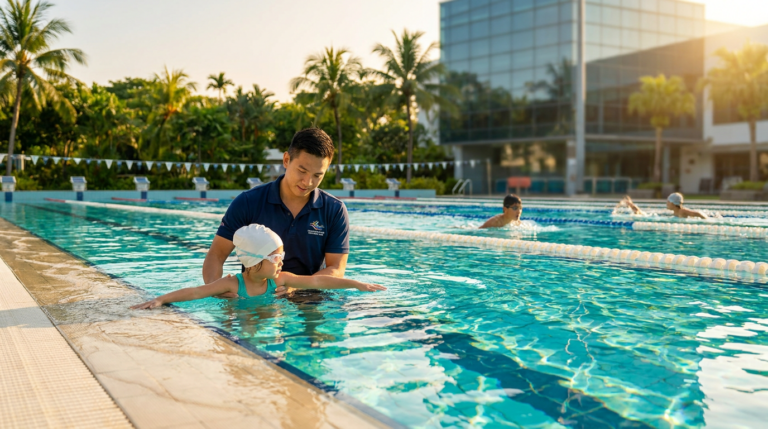
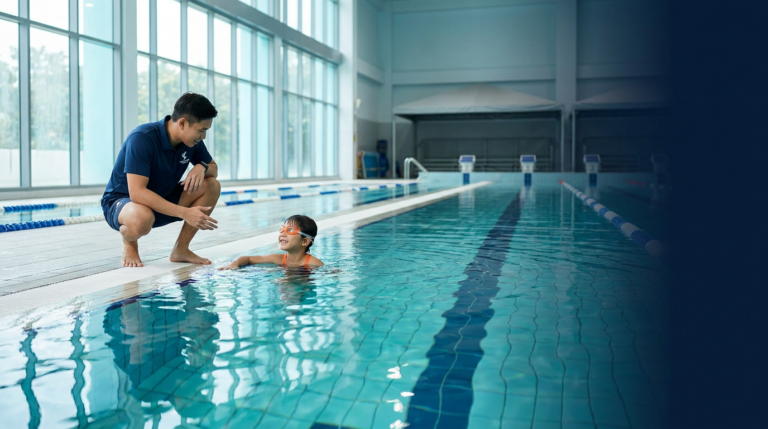
Children who learn proper swimming technique through structured programs naturally develop better head positioning and breathing patterns that minimize water entry into ears. Quality instruction serves both skill development and health protection.
Professional swimming instruction with proper technique reduces swimmer's ear risk while building lifelong aquatic skills.
Swimmer's ear, medically known as otitis externa, is an infection of the outer ear canal that runs from the eardrum to the outside of the head. Unlike middle ear infections that children commonly experience with colds, swimmer's ear specifically affects the external ear canal and is typically caused by water remaining in the ear after swimming or bathing.
The warm, moist environment created by trapped water becomes an ideal breeding ground for bacteria and sometimes fungi. Singapore's tropical climate, with humidity levels often exceeding 80%, can exacerbate this condition as moisture takes longer to evaporate from the ear canal. Understanding this distinction helps parents recognize why swimmer's ear requires different prevention strategies than other childhood ear conditions.
Children are particularly susceptible to swimmer's ear because their ear canals are smaller and may not drain as efficiently as adult ears. Additionally, young swimmers who spend considerable time in the water, especially those enrolled in regular swimming programs, face increased exposure risk. However, with proper techniques and preventive care, children can swim frequently without developing this uncomfortable condition.
Understanding what causes swimmer's ear empowers parents to implement targeted prevention strategies. While water exposure is the primary trigger, several factors contribute to infection development.
Bacterial growth is the most common culprit behind swimmer's ear. When water remains trapped in the ear canal after swimming, it creates a moist environment where bacteria naturally present on the skin can multiply rapidly. The bacteria Pseudomonas aeruginosa and Staphylococcus aureus are frequently responsible for these infections.
The protective layer of earwax, which normally shields the ear canal, can become compromised when constantly exposed to water. This wax acts as a waterproof barrier with antibacterial properties, but excessive swimming can wash it away, leaving the delicate skin of the ear canal vulnerable to infection. Children who swim multiple times per week may experience this protective layer depletion more readily.
Interestingly, children learning proper swimming techniques through structured programs like the SwimSafer Program often develop better head positioning and breathing patterns that naturally reduce water entry into ears. This demonstrates how quality swimming instruction serves dual purposes of skill development and health protection.
Early detection of swimmer's ear allows for prompt treatment and prevents complications. Children may not always articulate their discomfort clearly, so parents need to watch for both verbal complaints and behavioral changes.
The initial symptoms of swimmer's ear are often mild and can be easily overlooked. Your child might complain that their ear feels "full" or "plugged," similar to the sensation after air travel. They may tug at their ear or mention slight itching inside the ear canal. These early signs present the best opportunity for intervention before the infection worsens.
Parents should pay particular attention to complaints occurring within 24 to 48 hours after swimming. If your child mentions ear discomfort following pool time, especially if they submerged their head or practiced underwater skills, swimmer's ear should be considered as a possibility.
As the infection develops, symptoms become more pronounced and uncomfortable:
While most cases of swimmer's ear respond well to treatment, certain symptoms warrant immediate medical evaluation. Severe pain that prevents sleep or normal activities should never be ignored. If your child develops a fever above 38°C (100.4°F) alongside ear symptoms, this suggests the infection may be spreading. Complete blockage of the ear canal from swelling, spreading redness to the face or neck, or swollen lymph nodes near the ear all indicate the need for prompt medical care.
Parents of children with diabetes or compromised immune systems should be particularly vigilant, as these conditions increase the risk of complications. Any ear symptoms in these children should prompt a same-day consultation with their pediatrician.
Preventing swimmer's ear requires a multi-faceted approach that addresses water exposure, ear care, and swimming technique. These evidence-based strategies can significantly reduce your child's infection risk while allowing them to enjoy swimming activities fully.
The cornerstone of swimmer's ear prevention is keeping ears as dry as possible. After swimming, encourage your child to tilt their head to each side and gently pull the earlobe in different directions to facilitate water drainage. This simple technique, when done consistently, removes much of the trapped moisture before it becomes problematic.
Drying methods should be gentle and thorough. Use a soft towel to carefully dry the outer ear, then hold the towel against the ear opening for a moment to absorb additional moisture. A hairdryer on the lowest heat and fan setting, held at arm's length from the ear, can help evaporate remaining water. Never insert the towel or any object into the ear canal itself.
Swimming earplugs can provide an additional layer of protection, particularly for children prone to swimmer's ear. However, proper fit is crucial. Ill-fitting earplugs can actually trap water inside the ear or irritate the ear canal, creating the problems they're meant to prevent. Custom-molded earplugs, while more expensive initially, offer superior protection and comfort for regular swimmers.
For children participating in competitive swimming programs, discuss earplug options with their coach. Some techniques and training activities may be affected by earplug use, and coaches can provide guidance on when protection is most beneficial versus when proper technique alone suffices.
For children swimming multiple times weekly, preventive ear drops can help maintain the ear canal's natural defenses. A simple solution of equal parts white vinegar and rubbing alcohol, applied with a dropper after swimming, helps dry the ear canal and restore its acidic environment that inhibits bacterial growth. Use 3-4 drops in each ear, let it sit for a few seconds, then drain.
Always consult your pediatrician before starting any ear drop regimen, especially if your child has ear tubes, a perforated eardrum, or a history of ear problems. Some children may have conditions where ear drops are contraindicated.
The swimming environment significantly impacts swimmer's ear risk. Well-maintained pools with proper chlorine levels (between 1-3 ppm) and pH balance (7.2-7.8) naturally inhibit bacterial growth. At SPEEDISWIM, we maintain rigorous water quality standards across all our venues, including international schools and country clubs, ensuring children train in safe, properly sanitized environments.
When choosing swimming facilities for your child, don't hesitate to inquire about their water maintenance protocols. Reputable swim schools and aquatic centers will be transparent about their water quality testing and maintenance schedules.
Establishing consistent ear care routines around swimming activities creates habits that protect your child's ear health long-term. These practices require minimal time but offer maximum protection.
Before entering the pool, check that your child's ears are clean and dry. If they've recently bathed, ensure ears are thoroughly dried before swimming. Some parents find that applying a thin layer of petroleum jelly to the outer ear provides additional water resistance, though this should never be inserted into the ear canal itself.
For children with a history of swimmer's ear, consider pre-swimming preventive drops as recommended by your pediatrician. This proactive approach can be particularly valuable during intensive training periods or swim camps when children spend extended time in the water.
Step 1: Immediate Water Removal – As soon as your child exits the pool, have them shake their head gently side to side and perform the head-tilt water drainage technique described earlier. This should become as automatic as putting on goggles before swimming.
Step 2: Gentle Drying – Pat the outer ear thoroughly with a clean, soft towel. Encourage your child to keep their head tilted while drying to allow gravity to assist water drainage.
Step 3: Air Drying Time – If possible, allow 10-15 minutes before covering ears with hats or helmets. This air exposure helps any remaining moisture evaporate naturally.
Step 4: Preventive Drops (if recommended) – Apply the vinegar-alcohol solution or physician-recommended drops according to instructions.
Certain common practices actually increase swimmer's ear risk and should be avoided entirely. Never insert cotton swabs, fingers, or any objects into the ear canal. These can push wax deeper, scratch the delicate skin, or even damage the eardrum. The ear canal is self-cleaning, and interfering with this natural process often causes more problems than it solves.
Avoid aggressive ear drying techniques. Excessive rubbing or insertion of towel corners into the ear can irritate the canal. Similarly, using high heat settings on hairdryers risks burning the sensitive ear tissue.
Despite best prevention efforts, some children will still develop swimmer's ear occasionally. Understanding treatment options and knowing when professional medical care is necessary ensures the best outcomes.
If your child develops very mild symptoms such as slight itching or fullness without significant pain, home care measures may be appropriate for 24-48 hours while monitoring for improvement. Continue the vinegar-alcohol drops regimen, ensure complete ear drying after any water exposure, and have your child avoid submerging their head in water temporarily.
Over-the-counter pain relievers appropriate for your child's age can address mild discomfort. Warm compresses applied to the outside of the ear may provide soothing relief. However, if symptoms don't improve within two days or worsen at any point, medical evaluation becomes necessary.
Most cases of swimmer's ear require prescription antibiotic ear drops for complete resolution. Your pediatrician will examine the ear canal to confirm the diagnosis and rule out other conditions. The typical treatment involves antibiotic drops applied several times daily for 7-10 days.
Ensuring treatment success requires proper drop administration. Have your child lie down with the affected ear facing up. Gently pull the outer ear back and up to straighten the ear canal, then instill the prescribed number of drops. Keep your child in this position for several minutes to allow the medication to penetrate deeply into the ear canal.
Some prescription drops combine antibiotics with corticosteroids to address both infection and inflammation. In severe cases with significant swelling, your doctor may insert a small wick into the ear canal to facilitate medication delivery and drainage.
Children with active swimmer's ear must stay out of the water until their physician provides clearance to resume swimming. This typically means no swimming for at least 7-10 days, though some cases may require longer. Returning to the pool too soon can prolong the infection or cause recurrence.
For children in swimming programs, communicate with their instructor about the medical restriction. At SPEEDISWIM, our coaches understand that occasional ear infections are part of aquatic activities and can provide guidance on appropriate exercises your child can do on land to maintain conditioning during their recovery period.
Certain situations require same-day or emergency medical evaluation:
One often-overlooked aspect of swimmer's ear prevention is the role of proper swimming technique. Children who learn correct form through structured programs naturally develop habits that minimize water entry into their ears.
Proper head alignment during swimming significantly reduces the amount of water entering ear canals. When children learn correct side-breathing technique in freestyle, they rotate their entire body rather than lifting their head, which maintains better ear position relative to the waterline. This rotation allows breathing without excessive water splash around the ears.
Through our SwimSafer 2.0 aligned programs at SPEEDISWIM, children learn age-appropriate breathing techniques from their earliest lessons. Our professionally qualified coaches emphasize body position and rotation as fundamental skills, creating a foundation that serves both performance and health protection.
Children who develop good streamlining skills move through water more efficiently with less turbulence around their head and ears. Whether your child participates in our competitive swimming program or learns through recreational classes, mastering streamlined body position reduces unnecessary water disturbance.
Proper dive and push-off techniques also matter. Children taught to enter the water smoothly rather than with belly flops or awkward entries experience less forceful water impact on their ears. These skills develop gradually through consistent, quality instruction.
Interestingly, children who are comfortable and confident in water tend to have fewer ear problems than those who are anxious. Anxious swimmers often hold tension in their neck and shoulders, which can affect ear canal positioning and water drainage. They may also spend more time with their head in awkward positions as they struggle with basic skills.
Quality swimming programs focus on building progressive water confidence alongside skill development. At SPEEDISWIM, our experienced coaches have trained over 25,000 students using methods that emphasize comfort and confidence in aquatic environments. This approach not only produces better swimmers but also healthier ones.
For families interested in diverse aquatic activities, programs like artistic swimming, water polo, or underwater hockey teach additional water skills that can enhance overall ear health awareness. These disciplines require excellent body control and spatial awareness in water, which translates to better overall water management skills.
Children with ear tubes (tympanostomy tubes) can generally swim safely, though some ear, nose, and throat specialists recommend earplugs for swimming. The current medical consensus suggests that surface swimming without diving usually doesn't require ear protection with tubes in place, but practices vary. Always follow your child's ENT specialist's specific recommendations, as tube size and placement can affect these guidelines.
Most children can return to swimming once they've completed their full course of antibiotic drops and received clearance from their doctor, typically 7-10 days after starting treatment. Some physicians prefer to examine the ear before approving return to swimming to ensure complete healing. Never allow your child to resume swimming while still experiencing pain or drainage.
No, swimmer's ear is not contagious. It results from bacterial growth in the individual's own ear canal rather than transmission from person to person. Your child can attend school or other activities (except swimming) without risk of spreading the infection to others.
Recurrent swimmer's ear warrants consultation with an ear, nose, and throat specialist who can examine your child's ear anatomy and identify any predisposing factors. Some children benefit from custom-molded earplugs, while others may have underlying skin conditions requiring additional treatment. Ensuring your child receives swimming instruction that emphasizes proper technique can also help, as skilled swimmers typically experience fewer ear problems.
While the vinegar-alcohol solution is effective for prevention and very mild cases, established infections typically require antibiotic treatment. Some natural approaches like tea tree oil or garlic oil lack sufficient scientific evidence for swimmer's ear treatment and should not replace medical care. Always consult your pediatrician before trying alternative treatments, especially in children's delicate ear canals.
Both saltwater and chlorinated pools can lead to swimmer's ear, though some research suggests saltwater may have slight natural antibacterial properties. However, the key factor is not the water type but rather whether water remains trapped in the ear canal after swimming. Proper post-swimming ear care is essential regardless of swimming environment.
Antibiotic ear drops used for swimmer's ear apply medication directly to the infection site at concentrations much higher than oral antibiotics achieve, which reduces resistance concerns. However, if your child requires treatment more than 2-3 times per year, discuss preventive strategies with your pediatrician and consider consulting an ENT specialist to address underlying factors.
Swimmer's ear, while common among children who love aquatic activities, doesn't have to be an inevitable part of the swimming experience. By understanding the causes, implementing consistent prevention strategies, and responding promptly when symptoms appear, you can protect your child's ear health while supporting their enjoyment of swimming.
The key to prevention lies in maintaining dry, healthy ear canals through proper post-swimming care, avoiding practices that damage the ear's natural defenses, and ensuring your child learns correct swimming techniques that minimize water entry. When problems do arise, early recognition and appropriate treatment resolve most cases quickly without long-term complications.
Remember that quality swimming instruction provides benefits beyond skill development. At SPEEDISWIM, our two decades of experience have shown us that children who learn proper technique through structured, professionally taught programs naturally develop habits that protect their health while advancing their aquatic abilities. Whether your child swims recreationally or aspires to competitive achievement, the foundation of good technique serves them in countless ways.
Swimming offers tremendous physical, mental, and social benefits for children. With the knowledge and strategies outlined in this guide, you can ensure that ear health concerns don't limit your child's opportunities to thrive in aquatic environments.
With over 20 years of experience and more than 25,000 students trained, SPEEDISWIM offers professionally structured programs that teach not just swimming skills, but lifelong water safety habits. Our SwimSafer 2.0 aligned curriculum and qualified coaches ensure your child learns proper technique from day one.