When most Singaporeans think of competitive swimming, images of freestyle races and butterfly strokes typically come to mind. However, there's another aquatic discipline that combines athleticism, artistry, and precision in ways that captivate audiences worldwide. Artistic swimming, formerly known as synchronized swimming, has transformed from a graceful water ballet into a demanding Olympic sport that requires exceptional strength, flexibility, and cardiovascular endurance.
In Singapore, artistic swimming has been quietly developing a foundation of talented athletes and dedicated coaches. Organizations like SPEEDISWIM, with over 20 years of experience in aquatic sports education, have been instrumental in introducing young swimmers to this unique discipline. As the sport continues to gain recognition and the pathway to elite competition becomes more structured, more families are discovering artistic swimming as a viable option for their children's athletic development.
This comprehensive guide explores the evolution of artistic swimming from its synchronized swimming roots, examines its status as an Olympic sport, and provides insights into how aspiring athletes in Singapore can embark on their artistic swimming journey. Whether you're a parent researching aquatic sports options or a swimmer looking to explore beyond traditional competitive swimming, understanding this dynamic discipline can open doors to unexpected opportunities.
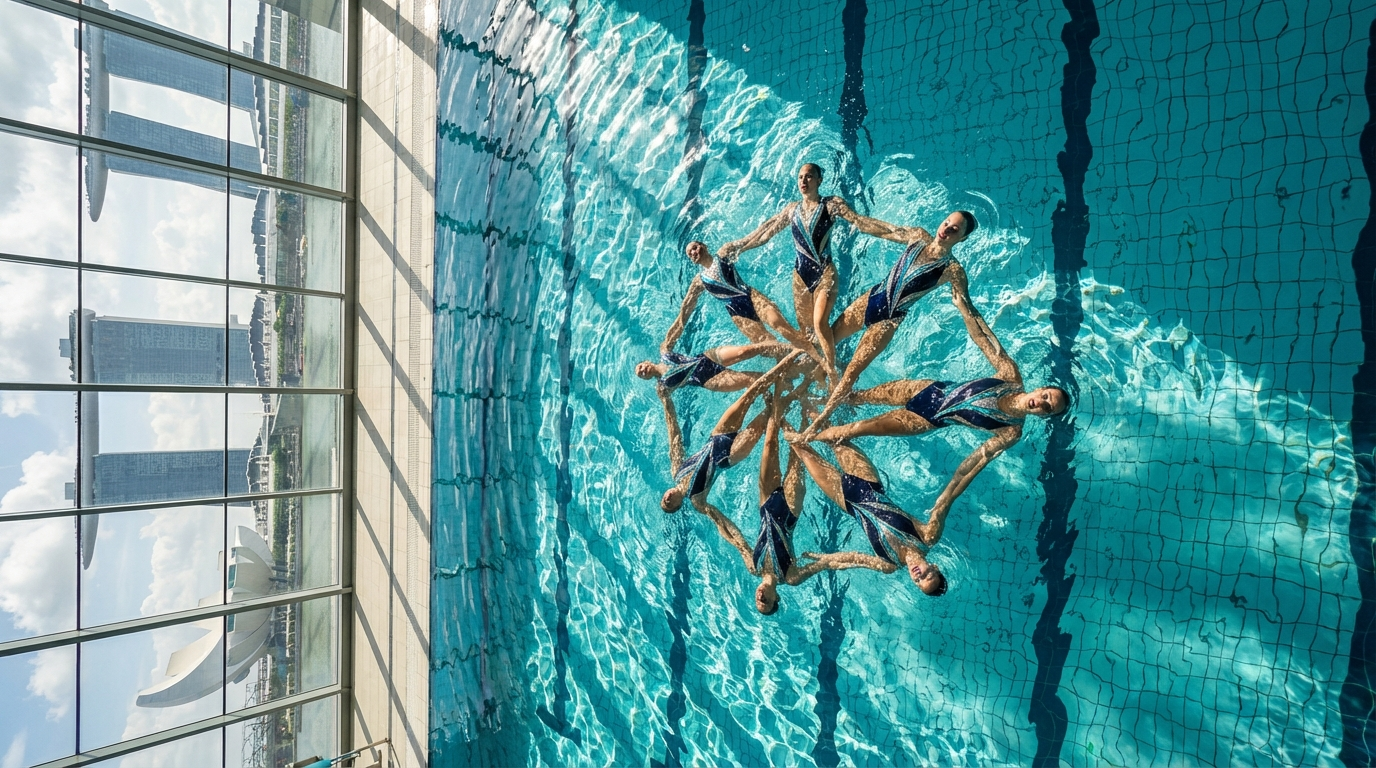
Artistic swimming is a hybrid aquatic sport that blends swimming, gymnastics, and dance performed in water. Athletes execute choreographed routines set to music, performing intricate movements both above and below the water's surface. What appears graceful and effortless to spectators actually demands extraordinary physical conditioning, as swimmers must maintain precise positions while holding their breath, often for extended periods.
The sport requires athletes to master several distinct skill sets simultaneously. Technical proficiency includes various sculling techniques, egg-beater kicks, and the ability to maintain vertical positions in deep water without touching the bottom. Artistic expression involves interpreting music through movement, facial expressions, and storytelling. Physical fitness encompasses strength, flexibility, cardiovascular endurance, and the unique ability to perform athletic movements while oxygen-deprived.
Unlike competitive swimming, where speed is the primary measure of success, artistic swimming is judged on execution, artistic impression, and difficulty. Routines can be performed solo, in duets, or in teams of up to eight athletes. Each performance combines compulsory elements with creative choreography, allowing teams to showcase their unique style while demonstrating technical mastery.
The physical demands of artistic swimming are often underestimated. Athletes spend hours in the pool each week, developing the muscular endurance needed to lift teammates out of the water, the core strength to maintain inverted positions, and the lung capacity to execute complex sequences while holding their breath. This combination of requirements makes artistic swimming one of the most physically demanding Olympic sports.
The sport we now call artistic swimming has undergone significant transformation since its origins in the early 20th century. Initially developed as water ballet or synchronized swimming, the discipline began as entertainment spectacles at aquatic shows and exhibitions. Early performances emphasized graceful, synchronized movements that created beautiful patterns in the water, much like a choreographed dance.
As the sport matured and entered competitive arenas, the technical demands increased substantially. By the time synchronized swimming was included in the Olympic Games in 1984, athletes were performing increasingly complex lifts, throws, and acrobatic elements. The name "synchronized swimming" focused primarily on the timing and unison aspects of team performances, but it didn't fully capture the athleticism, artistry, and individual technical skills that had become central to the sport.
In 2017, FINA (Fédération Internationale de Natation), the international governing body for aquatic sports, officially changed the name from synchronized swimming to artistic swimming. This rebranding reflected the sport's evolution and sought to better represent its modern identity. The new name emphasizes both the athletic and artistic components while moving away from the perception of synchronized swimming as merely graceful water dancing.
The name change also aimed to attract a broader audience and increase recognition of the sport's difficulty. Many within the artistic swimming community felt that "synchronized swimming" didn't adequately convey the strength, power, and technical precision required. The term "artistic swimming" aligns the sport more closely with other artistic disciplines like artistic gymnastics, highlighting the combination of technical execution and creative expression that defines elite performance.
Artistic swimming has been part of the Olympic program since the 1984 Los Angeles Games, where it debuted with solo and duet events. The sport has exclusively featured female athletes at the Olympic level, though men compete in artistic swimming at other international competitions. The Olympic program currently includes duet and team events, with eight swimmers performing in the team category.
Olympic artistic swimming competitions consist of two components: the technical routine and the free routine. The technical routine requires teams to perform specific elements in a prescribed order within a set time limit. Judges evaluate how well athletes execute these required elements, assessing precision, synchronization, and technique. The free routine allows more creative freedom, with teams selecting their music and choreographing original performances that showcase their strengths while meeting difficulty requirements.
The scoring system for Olympic artistic swimming is complex and multifaceted. Panels of judges evaluate execution (technical accuracy and synchronization), artistic impression (choreography, music interpretation, and presentation), and difficulty (the complexity of elements performed). Scores from both the technical and free routines are combined to determine final rankings, rewarding teams that balance technical precision with creative artistry.
Countries like Russia, China, Japan, and Spain have historically dominated Olympic artistic swimming, developing sophisticated training systems that identify talented young athletes and provide intensive coaching from an early age. These nations invest significantly in artistic swimming infrastructure, recognizing the sport's Olympic medal potential. For aspiring athletes in Singapore and other developing artistic swimming nations, studying these successful programs provides valuable insights into effective training methodologies and competitive preparation.
While artistic swimming may not yet have the same profile as other aquatic sports in Singapore, the foundation for development exists through dedicated programs and qualified coaches. The Singapore Swimming Association oversees artistic swimming development alongside other aquatic disciplines, providing a governance structure for the sport's growth. As awareness increases and more swimmers discover the unique appeal of artistic swimming, the local scene continues to evolve.
Singapore's aquatic sports infrastructure provides opportunities for artistic swimming development at various venues across the island. Facilities at country clubs, international schools, and dedicated aquatic centers offer pool access suitable for artistic swimming training. The sport requires deep water for many elements, and pools with sufficient depth and space allow athletes to safely practice lifts, throws, and inverted positions that are fundamental to competitive routines.
Organizations like SPEEDISWIM have played a crucial role in introducing artistic swimming to young athletes in Singapore. With over 25,000 students trained since 1998 and experience developing more than 1,000 athletes across multiple aquatic disciplines, SPEEDISWIM brings a comprehensive understanding of aquatic sports progression. Their artistic swimming program benefits from the organization's established coaching expertise and proven track record of developing elite athletes, including over 50 swimmers selected for National Youth and National Teams.
The pathway for artistic swimming in Singapore connects to broader regional and international competitions. As athletes develop their skills, opportunities exist to represent Singapore at Southeast Asian competitions and potentially progress to higher levels of international competition. While the journey to Olympic-level artistic swimming is demanding and requires years of dedicated training, having local programs that can identify talent and provide foundational skills is essential for the sport's long-term development in Singapore.
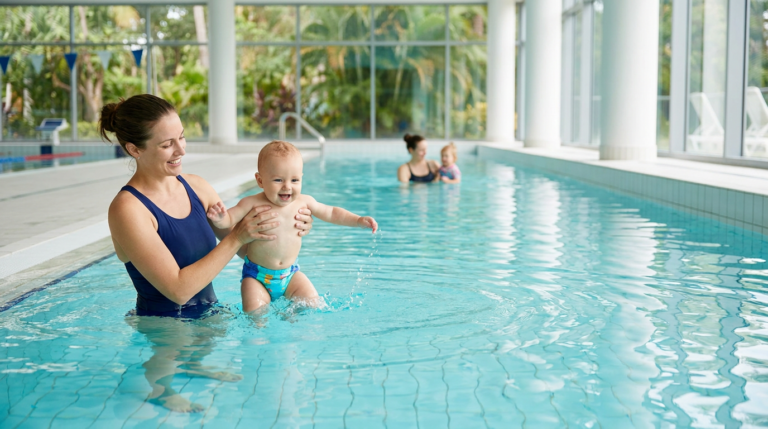
Beginning artistic swimming requires a foundation of basic swimming skills and water confidence. Most programs recommend that aspiring artistic swimmers first complete fundamental swimming instruction to ensure they're comfortable in deep water and can perform basic strokes competently. In Singapore, programs aligned with SwimSafer 2.0 provide this essential foundation, teaching water safety and swimming skills that prepare students for specialized aquatic disciplines.
Before transitioning to artistic swimming training, swimmers should demonstrate several key competencies:
The SwimSafer 2.0 framework, developed by the National Water Safety Council in collaboration with Sport Singapore, provides an excellent progression for building these foundational skills. This program emphasizes skill development alongside water safety and personal survival education, creating well-rounded swimmers prepared for various aquatic disciplines. Many swimmers complete SwimSafer stages 4-6 before transitioning to specialized sports like artistic swimming, ensuring they have the technical foundation and water competence needed for success.
While artistic swimming welcomes participants of various ages, most competitive programs begin serious training between ages 6 and 10. This timing allows young athletes to develop the flexibility, strength, and technical skills needed for competitive success while their bodies are naturally adaptable. However, recreational artistic swimming can be enjoyed at any age, and masters programs exist internationally for adult participants who discover the sport later in life.
Starting artistic swimming at a young age provides advantages in developing the sport-specific flexibility and movement patterns that become more challenging to acquire later. That said, swimmers who begin with strong foundational skills from other disciplines can often progress rapidly, as their water comfort and existing technique transfer well to artistic swimming elements. The key is finding a program that matches the swimmer's current skill level and provides appropriate progression.
The journey from novice to competitive artistic swimmer follows a structured progression that builds skills systematically. Understanding this pathway helps families make informed decisions about their child's athletic development and set realistic expectations for the time and commitment required to achieve various levels of proficiency.
Beginning artistic swimmers focus on developing fundamental skills that form the foundation for all future training. This stage emphasizes body positions, basic sculling techniques, and learning to perform simple movements while maintaining buoyancy. Swimmers learn the egg-beater kick, the primary method of staying vertical in deep water, which becomes essential for virtually all artistic swimming elements. They also begin developing breath control through simple underwater swimming and surface patterns.
During this foundational period, training typically occurs 2-3 times per week, with sessions lasting 60-90 minutes. The emphasis is on proper technique, building water confidence in deep pools, and introducing the concept of moving to music. Coaches focus on creating positive experiences that build enthusiasm for the sport while establishing correct technical patterns that will support long-term development.
As swimmers progress, training intensity and complexity increase significantly. Intermediate athletes learn more advanced sculling patterns, begin working on flexibility and strength conditioning outside the pool, and start performing simple routines with teammates. This stage introduces the concept of synchronization, teaching swimmers to match their movements precisely with partners and to music timing.
The choreography becomes more sophisticated, incorporating changes in level (surface to underwater), directional changes, and simple lifts or throws. Swimmers develop the endurance to perform longer sequences while holding their breath and learn to maintain facial expressions and artistic presentation even while exerting maximum physical effort. Training frequency typically increases to 3-5 sessions per week, with additional dryland conditioning becoming part of the regular schedule.
Competitive artistic swimmers train at high intensity, often 5-6 days per week with multiple sessions per day. Training includes extensive pool time for technical work and routine practice, plus significant dryland training for strength, flexibility, and conditioning. Athletes at this level perform complex acrobatic elements, intricate choreography, and demanding team patterns that require split-second timing and exceptional physical fitness.
Competition preparation involves perfecting both technical and free routines, with countless repetitions to ensure consistency and precision. Swimmers learn to perform under pressure, manage competition nerves, and execute flawlessly in front of judges and audiences. For those with Olympic aspirations, the pathway includes national team selection processes, international competition exposure, and potentially relocating to train at specialized high-performance centers.
Beyond the potential for competitive success, artistic swimming offers numerous benefits that support overall athletic development and life skills. The unique combination of physical demands and artistic expression creates well-rounded athletes with diverse capabilities that transfer to other pursuits.
Artistic swimming builds comprehensive physical fitness across multiple domains. The cardiovascular demands of performing routines while breath-holding create exceptional aerobic and anaerobic capacity. The strength required for lifts, throws, and maintaining positions develops muscular power throughout the body, particularly in the core, legs, and shoulders. The flexibility needed for splits, arches, and extensions promotes joint mobility and range of motion that benefits overall athleticism.
Unlike sports that develop asymmetric strength or repetitive stress patterns, artistic swimming promotes balanced physical development. Athletes use both sides of their body equally, perform movements in multiple planes, and develop proprioception (body awareness) in the unique environment of water. This comprehensive physical conditioning creates a foundation for lifelong fitness and reduces injury risk compared to more specialized sports.
The mental demands of artistic swimming foster discipline, focus, and resilience. Learning complex choreography develops memory and cognitive processing skills. Performing under pressure builds confidence and emotional regulation. Working as part of a synchronized team teaches communication, cooperation, and the value of collective success over individual achievement.
Artistic swimming also nurtures creativity and artistic expression. Unlike purely technical sports, artistic swimming encourages athletes to interpret music, express emotion through movement, and contribute to creative choreography decisions. This artistic dimension provides an outlet for self-expression that many young athletes find deeply fulfilling, adding meaning to their training beyond physical achievement alone.
For students in Singapore's education system, excellence in artistic swimming can support academic advancement through DSA (Direct School Admission) talent programs. Schools with strong aquatic sports programs may offer DSA opportunities to talented artistic swimmers, providing pathways to quality education while continuing athletic development. The discipline, time management, and work ethic developed through serious artistic swimming training also correlate with academic success, as athletes learn to balance demanding schedules and maintain focus across multiple priorities.
Internationally, artistic swimming can provide scholarship opportunities at universities with competitive programs. While less common than scholarships for traditional swimming, opportunities do exist, particularly in countries with strong artistic swimming traditions. The unique nature of the sport can also help athletes stand out in university admissions processes, demonstrating dedication, teamwork, and achievement in a distinctive discipline.
With over two decades of experience in aquatic sports education, SPEEDISWIM brings a comprehensive approach to artistic swimming development. The organization's philosophy emphasizes building strong foundational skills, providing qualified coaching, and creating pathways for athletes to reach their potential, whether that means recreational participation or elite competition.
SPEEDISWIM's artistic swimming program benefits from the organization's broader expertise across multiple aquatic disciplines. Coaches understand how skills from competitive swimming, water polo, and other aquatic sports can transfer to artistic swimming, creating well-rounded athletes with diverse capabilities. This cross-disciplinary perspective enriches training and allows swimmers to explore multiple aquatic pathways as they develop.
The organization's track record speaks to their coaching effectiveness and athlete development capabilities. Having groomed over 1,000 athletes and seen more than 50 swimmers selected for National Youth and National Teams demonstrates SPEEDISWIM's ability to identify talent and provide the high-quality instruction needed to reach competitive levels. Notable achievements like producing the 2018 SNOC Sportsgirl of the Year, Debbie Soh Li Fei, showcase the organization's capacity to develop elite athletes across various disciplines.
SPEEDISWIM operates across multiple venues, including international schools and country clubs, making their programs accessible to families throughout Singapore. As one of the official Non-ActiveSG Pool CAMS (Centralised Assessment Management System) Centres at Orchid Country Club, SPEEDISWIM maintains facilities and standards that support quality aquatic sports training. This infrastructure, combined with professionally qualified coaches and structured progression aligned with national certifications, creates an environment where artistic swimmers can thrive.
For families considering artistic swimming, the combination of foundational skill development through SwimSafer 2.0-aligned programs and specialized artistic swimming coaching provides a clear pathway. Swimmers can build essential water safety and swimming competence before transitioning to artistic swimming, ensuring they enter the specialized discipline with the prerequisite skills needed for success. This systematic approach maximizes both safety and long-term athletic development potential.
Artistic swimming represents a unique intersection of athleticism and artistry that offers young athletes in Singapore an exciting alternative to traditional competitive swimming. The sport's evolution from synchronized swimming to its current status as a demanding Olympic discipline reflects its growing sophistication and the increasing recognition of the extraordinary skills required for success.
While Singapore's artistic swimming scene continues to develop, opportunities exist for aspiring athletes through dedicated programs like those offered by SPEEDISWIM. The pathway from foundational swimming skills through SwimSafer 2.0 to specialized artistic swimming training provides a structured progression that supports both recreational participation and competitive aspirations. As more young swimmers discover the unique challenges and rewards of artistic swimming, the sport's profile in Singapore will continue to rise.
For parents researching aquatic sports options and swimmers seeking new challenges, artistic swimming offers comprehensive physical development, mental growth, and artistic expression in ways that few other sports can match. Whether the goal is Olympic dreams or simply experiencing the joy of moving gracefully through water to music, artistic swimming provides a distinctive and rewarding athletic journey.
Ready to explore the world of artistic swimming? With over 20 years of experience developing aquatic athletes across multiple disciplines, SPEEDISWIM offers expert coaching and structured programs for swimmers of all levels.