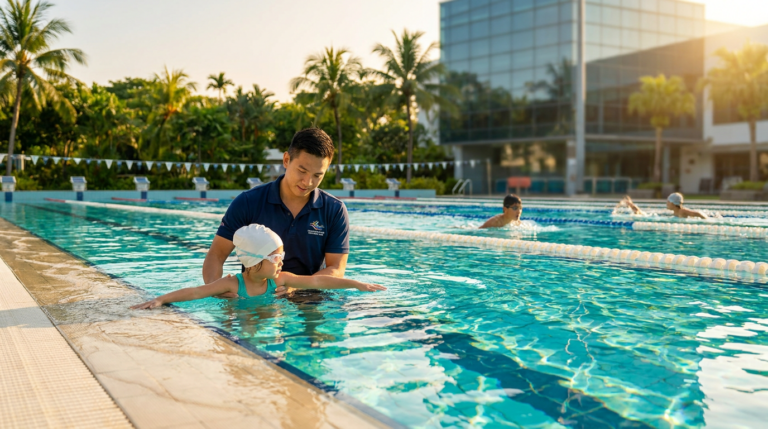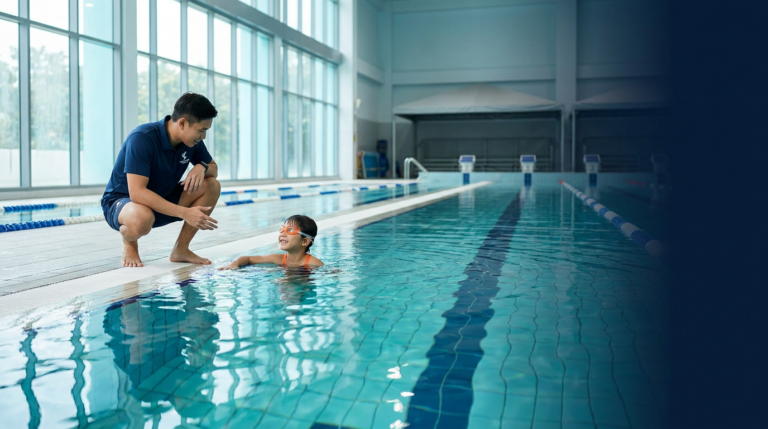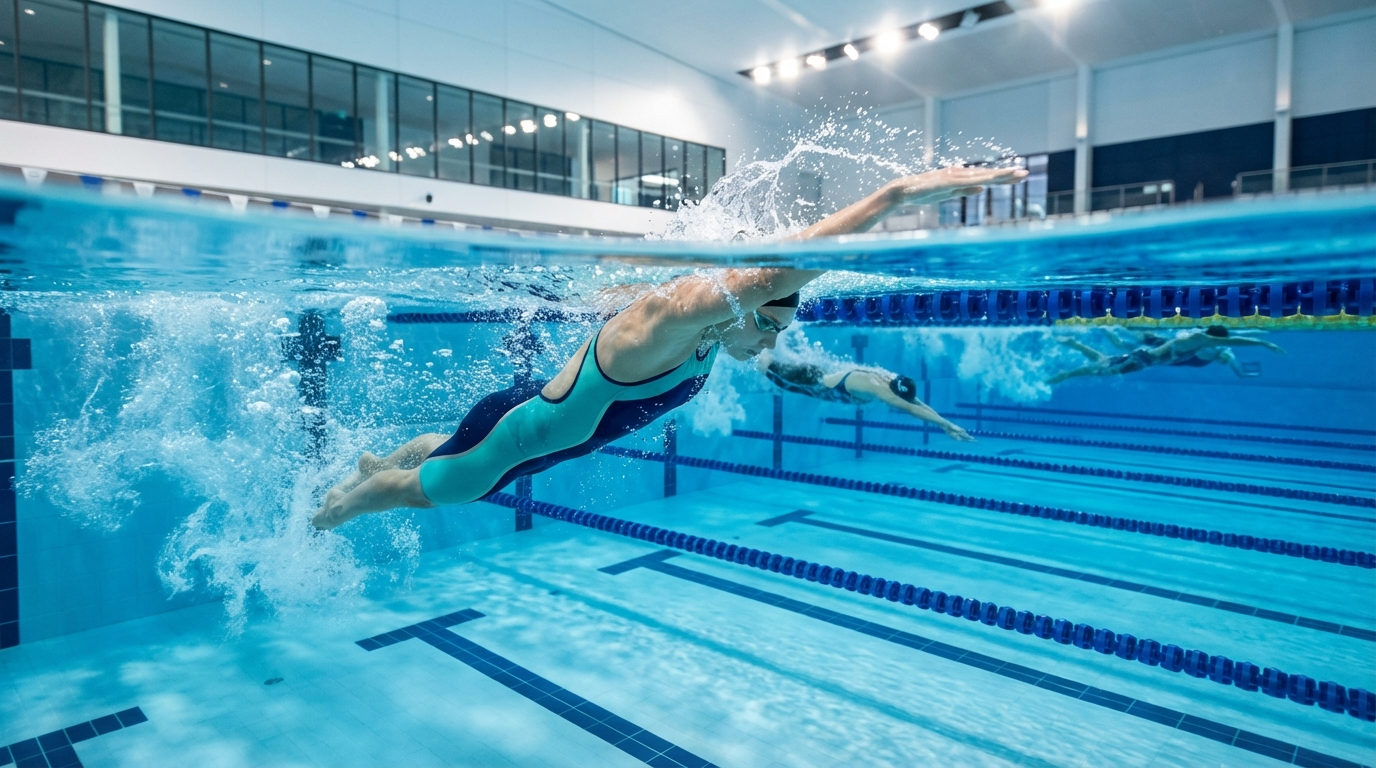
When you watch elite swimmers glide through the water at international competitions, the speed differences between strokes become immediately apparent. But how much faster is freestyle compared to breaststroke? What makes butterfly the second-fastest stroke despite its grueling physical demands? These questions matter whether you're a competitive swimmer looking to optimize your training, a parent considering which stroke your child should master first, or simply curious about the biomechanics behind aquatic performance.
The science of swimming stroke speed combines physics, biomechanics, and physiology in fascinating ways. Understanding these rankings isn't just about satisfying curiosity; it informs training strategies, competitive decisions, and even the progression of skills in structured programs like SwimSafer 2.0. After more than two decades of coaching swimmers from beginners to national-level athletes, we've seen firsthand how understanding stroke mechanics accelerates improvement across all skill levels.
In this comprehensive guide, we'll break down the definitive speed rankings of all four competitive swimming strokes, backed by Olympic performance data, biomechanical research, and real-world training insights. You'll discover not just which strokes are fastest, but why they achieve those speeds and what that means for your swimming journey.
Swimming speed isn't determined by a single factor but rather by the complex interplay between propulsion, drag resistance, stroke efficiency, and energy expenditure. When researchers analyze stroke velocity, they examine how much forward thrust each stroke cycle generates versus how much resistance the swimmer's body position creates. The most efficient strokes minimize drag while maximizing propulsive force, but achieving this balance looks different for each of the four competitive strokes.
Olympic performance data provides our most reliable benchmark for stroke speed comparisons. By examining world records and medal-winning times across identical distances, we can establish objective rankings that transcend individual swimmer variations. These times reflect not just the stroke mechanics themselves but also the cumulative knowledge of decades of competitive swimming evolution, coaching innovation, and biomechanical optimization.
It's important to note that stroke speed varies with distance. Sprint events (50-100 meters) showcase pure speed potential, while longer distances (200-400 meters) reveal which strokes can maintain velocity with greater energy efficiency. For our rankings, we'll focus primarily on the 100-meter benchmark, which balances sprint speed with sustainable technique and represents the standard competitive distance for stroke comparison.
Average elite speed: 2.1-2.4 meters per second
Freestyle, specifically the front crawl variation used in competitive swimming, dominates as the fastest human swimming stroke by a significant margin. The current men's 100m freestyle world record stands at 46.86 seconds (Cesar Cielo, 2009), while the women's record is 51.71 seconds (Sarah Sjöström, 2017). These times translate to average speeds exceeding 2.1 meters per second, with peak velocities during the race reaching even higher.
The biomechanical superiority of freestyle stems from several factors working in concert. The continuous alternating arm motion creates nearly constant propulsion, with minimal dead spots in the stroke cycle where forward momentum decreases. Unlike strokes that require simultaneous arm movements, freestyle allows one arm to always be in a propulsive phase while the other recovers. The streamlined horizontal body position minimizes frontal drag, while the flutter kick provides supplementary propulsion and crucial body stabilization.
The breathing pattern in freestyle, while it does create some rotational drag, can be optimized more easily than in other strokes. Elite swimmers often breathe bilaterally or strategically to maintain rhythm without significantly compromising body position. This efficiency becomes even more apparent in longer distances, where freestyle's superiority grows more pronounced. In our competitive swimming program, we emphasize freestyle technique refinement as the foundation for developing speed across all distances, from sprint to distance events.
Average elite speed: 1.9-2.1 meters per second
Butterfly secures second place in the speed rankings, though the gap between butterfly and freestyle is relatively narrow compared to the distance separating butterfly from the slower strokes. The men's 100m butterfly world record is 49.45 seconds (Caeleb Dressel, 2019), while the women's record stands at 55.48 seconds (Sarah Sjöström, 2016). These times place butterfly approximately 5-7% slower than freestyle at the elite level.
What makes butterfly's speed remarkable is that it achieves this velocity despite significant biomechanical challenges. The simultaneous over-water arm recovery creates substantial frontal drag during the recovery phase, and the undulating body motion, while powerful, is less streamlined than freestyle's rotation. However, butterfly compensates through explosive power generation. The simultaneous pull of both arms creates massive propulsive force, and when coordinated with the dolphin kick's whip-like thrust, butterfly produces the highest peak velocities of any stroke during the power phase.
The stroke's efficiency depends heavily on timing and rhythm. Elite butterfly swimmers master the subtle coordination between the arm pull, body undulation, and the two kicks per arm cycle. This synchronization allows them to maintain forward momentum even through the recovery phase. However, butterfly's energy demands are extraordinary, which explains why even world-class swimmers struggle to maintain peak butterfly speed over distances beyond 200 meters. The stroke requires exceptional core strength, shoulder flexibility, and cardiovascular conditioning.
Average elite speed: 1.8-2.0 meters per second
Backstroke claims third position with the men's 100m world record at 51.85 seconds (Ryan Murphy, 2016) and the women's record at 57.45 seconds (Kaylee McKeown, 2021). This places backstroke approximately 10-11% slower than freestyle, despite sharing similar alternating arm mechanics and flutter kick patterns.
The primary speed limitation in backstroke is the supine body position. Swimming face-up creates several biomechanical disadvantages compared to freestyle's prone position. The arm recovery must occur over the water while fighting gravity, which is less efficient than freestyle's recovery. Additionally, the pull pattern, while similar to freestyle, operates from a mechanically less advantageous position. The catch phase occurs with the palm facing outward initially, requiring more rotation to achieve an effective pull angle compared to freestyle's more natural pulling motion.
Breathing, while easier in backstroke since the face remains above water, doesn't offset these mechanical disadvantages. However, backstroke offers unique benefits that make it valuable beyond pure speed considerations. The stroke builds exceptional back and shoulder strength, provides excellent spatial awareness training, and serves as a recovery stroke in training sets. In programs like SwimSafer 2.0, backstroke mastery is essential for water survival skills, as it allows for breathing while maintaining forward progress with minimal energy expenditure.
Average elite speed: 1.6-1.8 meters per second
Breaststroke definitively ranks as the slowest competitive stroke, with the men's 100m world record at 56.88 seconds (Adam Peaty, 2019) and the women's record at 1:04.13 (Lilly King, 2017). These times place breaststroke approximately 21-24% slower than freestyle, a substantial difference that reflects fundamental biomechanical constraints.
Unlike the other three strokes, breaststroke lacks a continuous propulsion phase. The stroke cycle includes a distinct glide phase where the swimmer stretches into a streamlined position with minimal active propulsion. While this glide is crucial for stroke efficiency and rhythm, it creates a pulsing speed pattern rather than sustained velocity. The swimmer accelerates during the pull and kick phases, then decelerates during the recovery and glide, resulting in significant velocity fluctuations within each stroke cycle.
The frontal resistance in breaststroke exceeds all other strokes by a considerable margin. During the recovery phase, both arms move forward underwater, pushing against the water and creating drag. The leg recovery, which brings the knees forward and feet toward the buttocks, further increases frontal surface area. Even the highly regulated breaststroke kick, while powerful, generates less sustained thrust than the flutter or dolphin kicks used in other strokes. Swimming regulations also restrict breaststroke technique more than other strokes, mandating simultaneous arm movements, a specific kick pattern, and limiting underwater distance after starts and turns.
Despite being the slowest stroke, breaststroke offers unique advantages. It's often the most accessible stroke for beginners due to its intuitive movement pattern and face-forward breathing position. The stroke builds tremendous leg strength and is the most energy-efficient for long-distance survival swimming. Many swimmers find breaststroke the most sustainable for extended periods, making it invaluable for water safety applications emphasized in our SwimSafer program.
Several universal biomechanical principles govern swimming speed across all strokes. Drag resistance is perhaps the most significant factor. Water is approximately 800 times denser than air, meaning even small improvements in streamlining yield substantial speed benefits. Strokes that maintain horizontal body alignment with minimal vertical oscillation naturally achieve faster speeds. This explains why freestyle's relatively flat body position outperforms breaststroke's pronounced vertical movement pattern.
Propulsive continuity represents another critical determinant. Strokes that minimize dead spots in the propulsion cycle maintain higher average velocities. Freestyle's alternating arm action creates near-constant thrust, while breaststroke's recovery and glide phases introduce substantial propulsion gaps. This continuity factor becomes increasingly important over longer distances, where maintaining momentum proves more efficient than repeated acceleration and deceleration cycles.
The propulsive surface area and leverage also significantly impact stroke speed. Larger pulling surfaces and longer lever arms generate greater force, but only if the swimmer can apply that force efficiently without creating excessive drag. Butterfly's simultaneous arm pull maximizes instantaneous force production, while backstroke's overhead recovery position reduces leverage compared to freestyle. The ability to maintain a high elbow position during the pull phase, creating an effective paddle from hand to elbow, separates efficient swimmers from inefficient ones across all strokes.
Kick contribution varies considerably between strokes. In freestyle and backstroke, the flutter kick provides 10-15% of total propulsion for most swimmers, with greater contribution in sprinters. Butterfly's dolphin kick contributes 20-30% of propulsion and is essential for maintaining body position. Breaststroke's whip kick, while powerful, must overcome the drag created during its recovery phase. Elite swimmers optimize their kick timing and amplitude to maximize propulsion while minimizing energy expenditure and drag creation.
Understanding stroke speed rankings directly influences training design and competitive strategy. For swimmers developing foundational skills, freestyle mastery should typically receive priority focus due to its versatility, efficiency, and universal application. Most structured swimming programs, including SwimSafer 2.0, introduce freestyle early in the progression because the technique transfers well to competitive swimming, fitness swimming, and water safety scenarios.
Competitive swimmers benefit from understanding these rankings when selecting specialty events. While natural aptitude plays a role, swimmers often find success in strokes that match their physical attributes. Athletes with exceptional upper body strength and flexibility may excel in butterfly despite its technical demands. Those with powerful legs and precise timing might find competitive advantages in breaststroke, where technical mastery can offset the stroke's inherent speed limitations. Our competitive swimming program includes specialized stroke analysis to help athletes identify their optimal events based on biomechanical efficiency, not just preference.
Training volume distribution should reflect both stroke speed and individual goals. Swimmers training for fitness or triathlon typically allocate 70-80% of their volume to freestyle, with other strokes providing variety and cross-training benefits. Competitive swimmers require more balanced stroke development, though freestyle still dominates most training programs due to its central role in medley events and relay anchoring. Even breaststroke specialists typically swim substantial freestyle volume to build cardiovascular base and maintain stroke versatility.
For swimming schools and coaching programs, these speed rankings inform skill progression sequences. Beginning swimmers often learn breaststroke or freestyle first, depending on the program philosophy. While breaststroke offers easier breathing mechanics for anxious learners, freestyle provides a more direct pathway to efficient swimming. Backstroke typically follows as it shares kicking mechanics with freestyle while introducing supine positioning. Butterfly generally comes last due to its strength and coordination requirements, though introducing dolphin kick work earlier in development builds the foundation for eventual butterfly mastery.
While this article has focused on objective speed rankings, the "best" stroke for any individual swimmer depends on multiple factors beyond pure velocity. Recreational swimmers might prioritize sustainability and enjoyment over speed. Those swimming for fitness might value the full-body workout that butterfly and breaststroke provide. Water safety applications often favor breaststroke's efficiency and visibility. Rehabilitation or therapeutic swimming frequently emphasizes backstroke for its low-impact shoulder mechanics.
The beauty of swimming lies in its versatility. Unlike running, where there's essentially one optimal technique, swimming offers four distinct competitive strokes plus numerous variations. This variety allows swimmers to find strokes that match their body type, strength profile, flexibility, and goals. A swimmer with limited ankle flexibility might struggle with freestyle's flutter kick but excel at breaststroke. Someone with exceptional shoulder mobility might find butterfly more natural than backstroke.
For comprehensive swimming development, mastering all four strokes provides the greatest benefits. Multi-stroke competency builds balanced strength, prevents overuse injuries, maintains training motivation through variety, and opens competitive opportunities in individual medley events. Programs like those offered at SPEEDISWIM emphasize well-rounded stroke development, progressing swimmers through structured skill levels that build competency across all strokes while respecting individual aptitudes and goals.
Parents considering swimming programs for their children should look beyond stroke speed when evaluating options. The most important factors include qualified coaching, appropriate skill progression, emphasis on both safety and technique, and creating positive experiences that foster lifelong swimming participation. Whether a child eventually specializes in the blazing speed of freestyle sprint events or the technical precision of breaststroke matters less than developing water confidence, safety skills, and a foundation for continued participation.
The science-backed speed rankings place freestyle as the undisputed fastest stroke, followed by butterfly, backstroke, and breaststroke. These rankings reflect fundamental biomechanical principles governing propulsion, drag resistance, and energy efficiency. However, understanding why each stroke achieves its characteristic speed provides insights far more valuable than the rankings themselves.
Freestyle's supremacy comes from its optimal combination of continuous propulsion, streamlined body position, and efficient breathing mechanics. Butterfly achieves impressive speed through explosive power generation despite significant drag challenges. Backstroke's upside-down orientation creates mechanical disadvantages that prevent it from matching freestyle's velocity. Breaststroke's pulsing propulsion pattern and high frontal resistance make it the slowest stroke, though its unique advantages ensure its continued prominence in competitive swimming and water safety.
Whether you're pursuing competitive excellence, fitness goals, water safety skills, or simply the joy of moving through water, understanding these stroke characteristics helps you train smarter and swim better. The speed rankings provide a foundation for informed decisions about stroke focus, training distribution, and skill development priorities. With over two decades of experience developing swimmers from nervous beginners to national team athletes, we've seen firsthand how this knowledge accelerates progress and deepens appreciation for swimming's technical beauty.
Whether you're looking to improve your competitive swimming technique, enroll your child in a comprehensive SwimSafer program, or explore specialized aquatic disciplines, SPEEDISWIM's expert coaches are ready to guide your journey. With over 25,000 students trained and proven pathways from beginners to national team athletes, we offer the expertise and structured progression to help you achieve your swimming goals.